What does Hebrews 8:9 mean?
“Not according to the covenant that I made with their fathers in the day when I took them by the hand to lead them out of the land of Egypt; because they continued not in my covenant, and I regarded them not, saith the Lord.” — Hebrews 8:9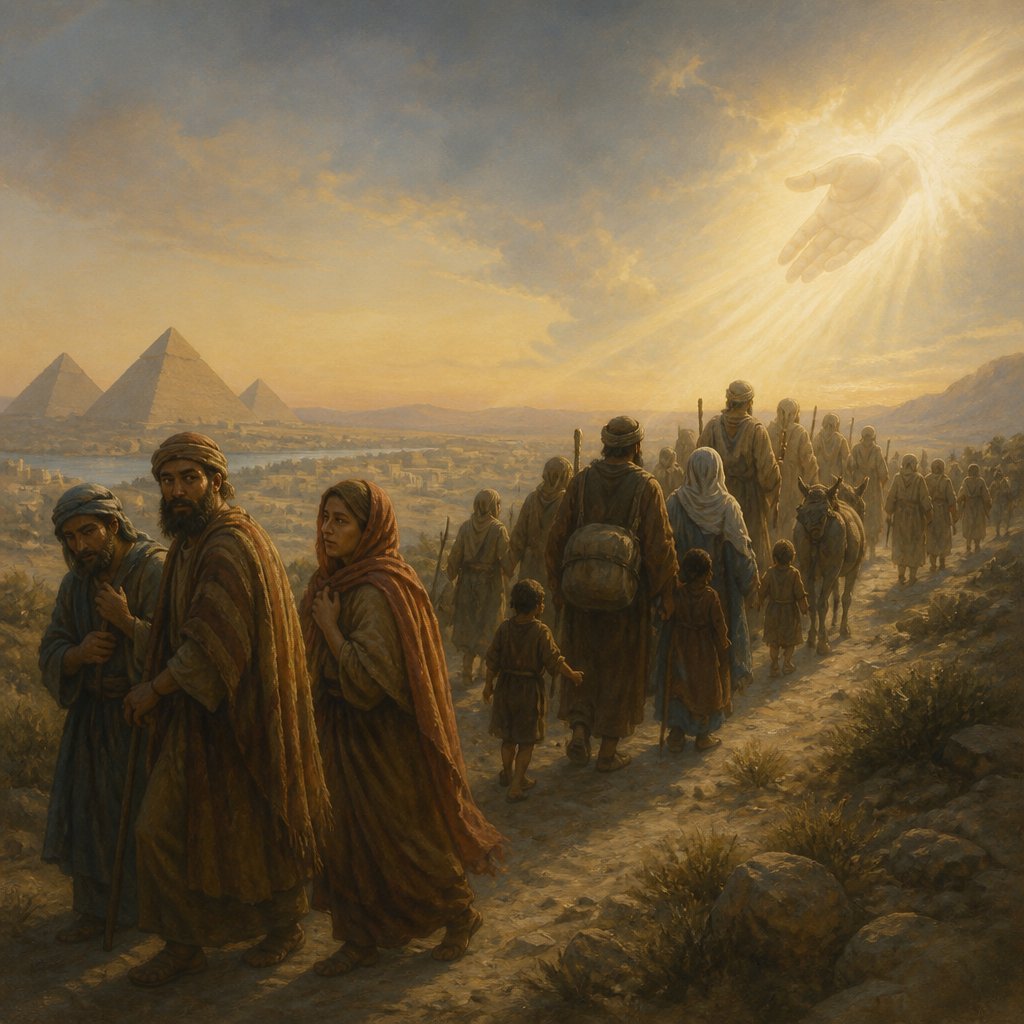
Hebrews 8:9 in the King James Version of the Bible reads, "Not according to the covenant that I made with their fathers in the day when I took them by the hand to lead them out of the land of Egypt; because they continued not in my covenant, and I regarded them not, saith the Lord."
This verse is part of a larger passage in the book of Hebrews that discusses the superiority of the new covenant established by Jesus Christ compared to the old covenant given to the Israelites through Moses. The author of Hebrews, likely the apostle Paul, emphasizes the inadequacy of the old covenant and argues that the new covenant brought by Jesus is superior in every way.
The context of this verse is important in understanding its meaning. In the preceding verses, the author quotes from the prophet Jeremiah, who prophesied about a new covenant that God would make with His people, a covenant that would not be like the old one given at Mount Sinai. The old covenant given to Israel at that time was written on tablets of stone and focused on external observances of the law. However, the new covenant would be internal, written on people's hearts and minds, and would be based on forgiveness of sins through Jesus' sacrifice on the cross.
In Hebrews 8:9, the author quotes from the book of Jeremiah to illustrate the failure of the old covenant. The passage refers to the time when God led the Israelites out of Egypt, a pivotal event in their history. At that time, God made a covenant with the people, promising to be their God and to bless and protect them if they obeyed His commandments. However, the Israelites repeatedly broke this covenant by disobeying God and turning to idolatry. As a result, God regarded them not, meaning that He withdrew His favor and protection from them.
The verse serves as a reminder of the unfaithfulness of the Israelites and the inadequacy of the old covenant. The author uses this example to contrast the new covenant brought by Jesus, which is based on the unchanging promise of God's grace and forgiveness. The new covenant is not dependent on human obedience to the law but is founded on the finished work of Christ on the cross.
Symbolically, the verse points to the deeper spiritual significance of the old covenant and its limitations. It represents the inability of human effort to maintain a perfect relationship with God and the need for a new, permanent solution to the problem of sin. The old covenant, with its focus on external rituals and sacrifices, was unable to truly change the hearts of the people. In contrast, the new covenant, sealed with the blood of Jesus, offers true forgiveness and transformation through the Holy Spirit.
The themes of covenant, faithfulness, and grace are prominent in this verse. It highlights the faithfulness of God to His promises, even in the face of human unfaithfulness. The failure of the old covenant demonstrates the need for a better covenant based on God's grace and the faithfulness of Christ. The verse ultimately points to the redemptive work of Jesus Christ as the ultimate solution to the problem of sin and the restoration of a right relationship between God and humanity.
In conclusion, Hebrews 8:9 in the King James Version of the Bible is a powerful reminder of the inadequacy of the old covenant and the superiority of the new covenant brought by Jesus. It symbolizes the need for true forgiveness and transformation, which can only be found in the unchanging grace of God. The verse emphasizes the faithfulness of God and the redemptive work of Christ as the foundation of the new covenant.
Get our apps


Artwork for Hebrews 8:9

Hebrews 8:9 - "Not according to the covenant that I made with their fathers in the day when I took them by the hand to lead them out of the land of Egypt; because they continued not in my covenant, and I regarded them not, saith the Lord."
"Not according to the covenant that I made with their fathers in the day when I took them by the hand to lead them out of the land of Egypt; because they continued not in my covenant, and I regarded them not, saith the Lord." - Hebrews 8:9

Hebrews 9:8 - "The Holy Ghost this signifying, that the way into the holiest of all was not yet made manifest, while as the first tabernacle was yet standing:"

Hebrews 5:8-9 - "Though he were a Son, yet learned he obedience by the things which he suffered; And being made perfect, he became the author of eternal salvation unto all them that obey him."

Hebrews 12:8

Hebrews 8:5

Hebrews 8:1-5

Hebrews 4:9 - "There remaineth therefore a rest to the people of God."
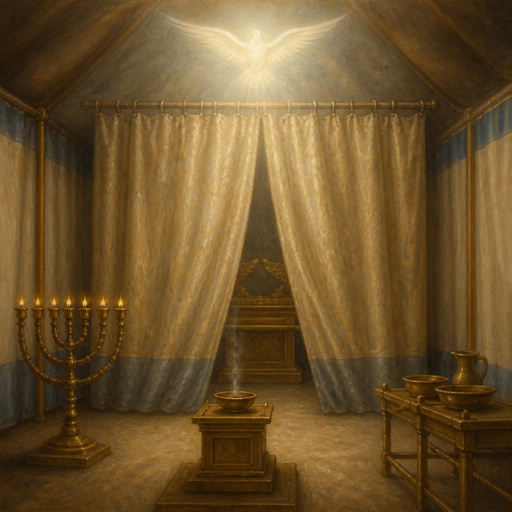
"The Holy Ghost this signifying, that the way into the holiest of all was not yet made manifest, while as the first tabernacle was yet standing:" - Hebrews 9:8

Hebrews 13:8 - "Jesus Christ the same yesterday, and to day, and for ever."

Hebrews 9:16 - "For where a testament is, there must also of necessity be the death of the testator."

Hebrews 3:8 - "Harden not your hearts, as in the provocation, in the day of temptation in the wilderness:"

Hebrews 9:18 - "Whereupon neither the first testament was dedicated without blood."

Hebrews 9:27 - "And as it is appointed unto men once to die, but after this the judgment:"

The Plague of Boils - Exodus 9:8-12.

Hebrews 9:3 - "And after the second veil, the tabernacle which is called the Holiest of all;"

Hebrews 8:12 - "For I will be merciful to their unrighteousness, and their sins and their iniquities will I remember no more."

Hebrews 8:2 - "A minister of the sanctuary, and of the true tabernacle, which the Lord pitched, and not man."

Hebrews 9:9 - "Which was a figure for the time then present, in which were offered both gifts and sacrifices, that could not make him that did the service perfect, as pertaining to the conscience;"

Hebrews 9:13 - "For if the blood of bulls and of goats, and the ashes of an heifer sprinkling the unclean, sanctifieth to the purifying of the flesh:"

Hebrews 9:20 - "Saying, This is the blood of the testament which God hath enjoined unto you."

Hebrews 9:21 - "Moreover he sprinkled with blood both the tabernacle, and all the vessels of the ministry."

Hebrews 9:17 - "For a testament is of force after men are dead: otherwise it is of no strength at all while the testator liveth."

Hebrews 8:7 - "For if that first covenant had been faultless, then should no place have been sought for the second."

Hebrews 6:8 - "But that which beareth thorns and briers is rejected, and is nigh unto cursing; whose end is to be burned."

Hebrews 9:2 - "For there was a tabernacle made; the first, wherein was the candlestick, and the table, and the shewbread; which is called the sanctuary."

Hebrews 9:1 - "Then verily the first covenant had also ordinances of divine service, and a worldly sanctuary."

Hebrews 9:22 - "And almost all things are by the law purged with blood; and without shedding of blood is no remission."

Hebrews 7:8 - "And here men that die receive tithes; but there he receiveth them, of whom it is witnessed that he liveth."

Hebrews 3:9 - "When your fathers tempted me, proved me, and saw my works forty years."