What does Hebrews 9:26 mean?
“For then must he often have suffered since the foundation of the world: but now once in the end of the world hath he appeared to put away sin by the sacrifice of himself.” — Hebrews 9:26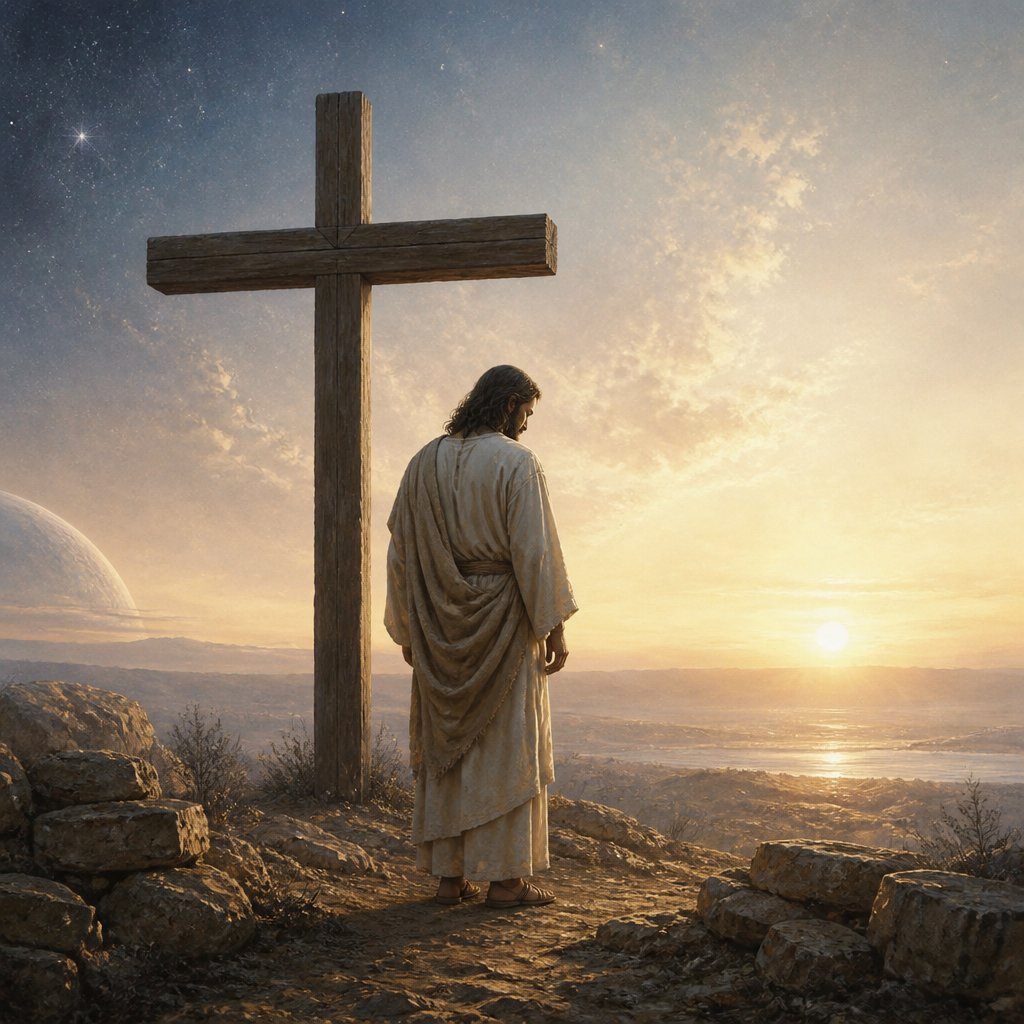
The verse Hebrews 9:26 from the King James Version of the Bible states, "For then must he often have suffered since the foundation of the world: but now once in the end of the world hath he appeared to put away sin by the sacrifice of himself."
This verse is part of the broader context of Hebrews 9, which discusses the superiority of Christ's sacrifice compared to the sacrifices offered under the Mosaic Law. The author of Hebrews emphasizes the once-for-all nature of Christ's sacrifice, which is contrasted with the repeated offerings of animals under the Old Covenant. The verse speaks to the uniqueness and efficacy of Christ's sacrifice as the means by which sin is put away.
One of the key themes of Hebrews 9:26 is the atonement for sin through the sacrifice of Jesus Christ. The verse communicates the idea that Jesus' sacrifice was a singular event that occurred "once in the end of the world." This statement emphasizes the finality and sufficiency of Christ's sacrifice. It stands in stark contrast to the ongoing sacrifices offered by priests under the Mosaic Law, which could never fully take away sin.
The verse also speaks to the timing of Christ's appearance and sacrifice. It states that "he hath appeared to put away sin" and highlights the significance of his coming as a pivotal moment in history. This underscores the fulfillment of God's plan for salvation through Christ.
The phrase "the end of the world" can be understood in various ways, including as a reference to the end of the age or the culmination of God's redemptive plan. Regardless, it points to the climactic nature of Christ's sacrifice as the ultimate and final solution for sin.
The sacrifice of Jesus is central to the Christian faith and is symbolically rich. It is often associated with themes of redemption, forgiveness, and atonement. In His sacrifice, Jesus took upon Himself the sins of humanity, offering Himself as a perfect and unblemished sacrifice to satisfy the demands of justice and reconcile humanity with God. This act of selfless love demonstrates the depth of God's grace and the lengths to which He was willing to go to restore humanity to Himself.
The imagery of sacrifice also serves as a reminder of the costliness of sin and the need for a suitable atonement. In the Old Testament, animal sacrifices were offered to atone for sin, but they were ultimately inadequate, as they could not truly remove sin. Christ's sacrifice, on the other hand, is portrayed as the ultimate and perfect sacrifice, effective in dealing with sin once and for all.
Furthermore, the verse emphasizes the agency of Jesus Himself in offering the sacrifice. It was through His willing and voluntary act of self-sacrifice that sin was put away. This reflects the profound love and obedience of Jesus, who humbled Himself to the point of death on the cross for the sake of humanity.
In conclusion, Hebrews 9:26 conveys the uniqueness and finality of Christ's sacrifice, the timing and significance of His appearance, and the atonement for sin achieved through His sacrifice. It underscores the pivotal moment in history when Christ offered Himself as the ultimate sacrifice, providing redemption and forgiveness for all who believe in Him. The verse is a powerful declaration of the central message of the Christian faith and serves as a profound reminder of the depth of God's love and the ultimate solution for sin found in Jesus Christ.
Get our apps


Artwork for Hebrews 9:26
Hebrews 9:26 - "For then must he often have suffered since the foundation of the world: but now once in the end of the world hath he appeared to put away sin by the sacrifice of himself."
"For then must he often have suffered since the foundation of the world: but now once in the end of the world hath he appeared to put away sin by the sacrifice of himself." - Hebrews 9:26

Hebrews 4:9 - "There remaineth therefore a rest to the people of God."

Hebrews 10:26 - "For if we sin wilfully after that we have received the knowledge of the truth, there remaineth no more sacrifice for sins,"

Hebrews 9:16 - "For where a testament is, there must also of necessity be the death of the testator."
Hebrews 7:26 - "For such an high priest became us, who is holy, harmless, undefiled, separate from sinners, and made higher than the heavens;"

Hebrews 11:26 - "Esteeming the reproach of Christ greater riches than the treasures in Egypt: for he had respect unto the recompence of the reward."

Hebrews 9:18 - "Whereupon neither the first testament was dedicated without blood."

Hebrews 9:27 - "And as it is appointed unto men once to die, but after this the judgment:"

Hebrews 9:3 - "And after the second veil, the tabernacle which is called the Holiest of all;"

Hebrews 9:9 - "Which was a figure for the time then present, in which were offered both gifts and sacrifices, that could not make him that did the service perfect, as pertaining to the conscience;"

Hebrews 9:13 - "For if the blood of bulls and of goats, and the ashes of an heifer sprinkling the unclean, sanctifieth to the purifying of the flesh:"

Hebrews 9:20 - "Saying, This is the blood of the testament which God hath enjoined unto you."

Hebrews 9:21 - "Moreover he sprinkled with blood both the tabernacle, and all the vessels of the ministry."

Hebrews 12:26 - "Whose voice then shook the earth: but now he hath promised, saying, Yet once more I shake not the earth only, but also heaven."

Hebrews 9:17 - "For a testament is of force after men are dead: otherwise it is of no strength at all while the testator liveth."

Hebrews 9:2 - "For there was a tabernacle made; the first, wherein was the candlestick, and the table, and the shewbread; which is called the sanctuary."

Hebrews 9:1 - "Then verily the first covenant had also ordinances of divine service, and a worldly sanctuary."

Hebrews 9:22 - "And almost all things are by the law purged with blood; and without shedding of blood is no remission."

Hebrews 3:9 - "When your fathers tempted me, proved me, and saw my works forty years."

Hebrews 9:5 - "And over it the cherubims of glory shadowing the mercyseat; of which we cannot now speak particularly."
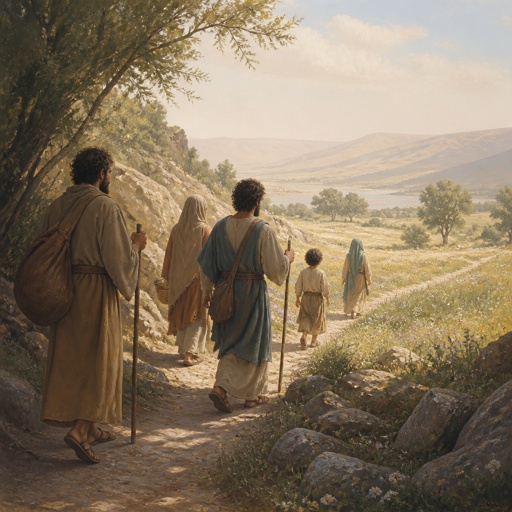
"There remaineth therefore a rest to the people of God." - Hebrews 4:9

Hebrews 6:9 - "But, beloved, we are persuaded better things of you, and things that accompany salvation, though we thus speak."

Genesis 26:9

Hebrews 7:9 - "And as I may so say, Levi also, who receiveth tithes, payed tithes in Abraham."

Hebrews 9:8 - "The Holy Ghost this signifying, that the way into the holiest of all was not yet made manifest, while as the first tabernacle was yet standing:"

Hebrews 9:6 - "Now when these things were thus ordained, the priests went always into the first tabernacle, accomplishing the service of God."

Hebrews 9:10 - "Which stood only in meats and drinks, and divers washings, and carnal ordinances, imposed on them until the time of reformation."

Hebrews 9:23 - "It was therefore necessary that the patterns of things in the heavens should be purified with these; but the heavenly things themselves with better sacrifices than these."

Hebrews 5:9 - "And being made perfect, he became the author of eternal salvation unto all them that obey him;"