What does Hosea 11:6 mean?
“And the sword shall abide on his cities, and shall consume his branches, and devour them, because of their own counsels.” — Hosea 11:6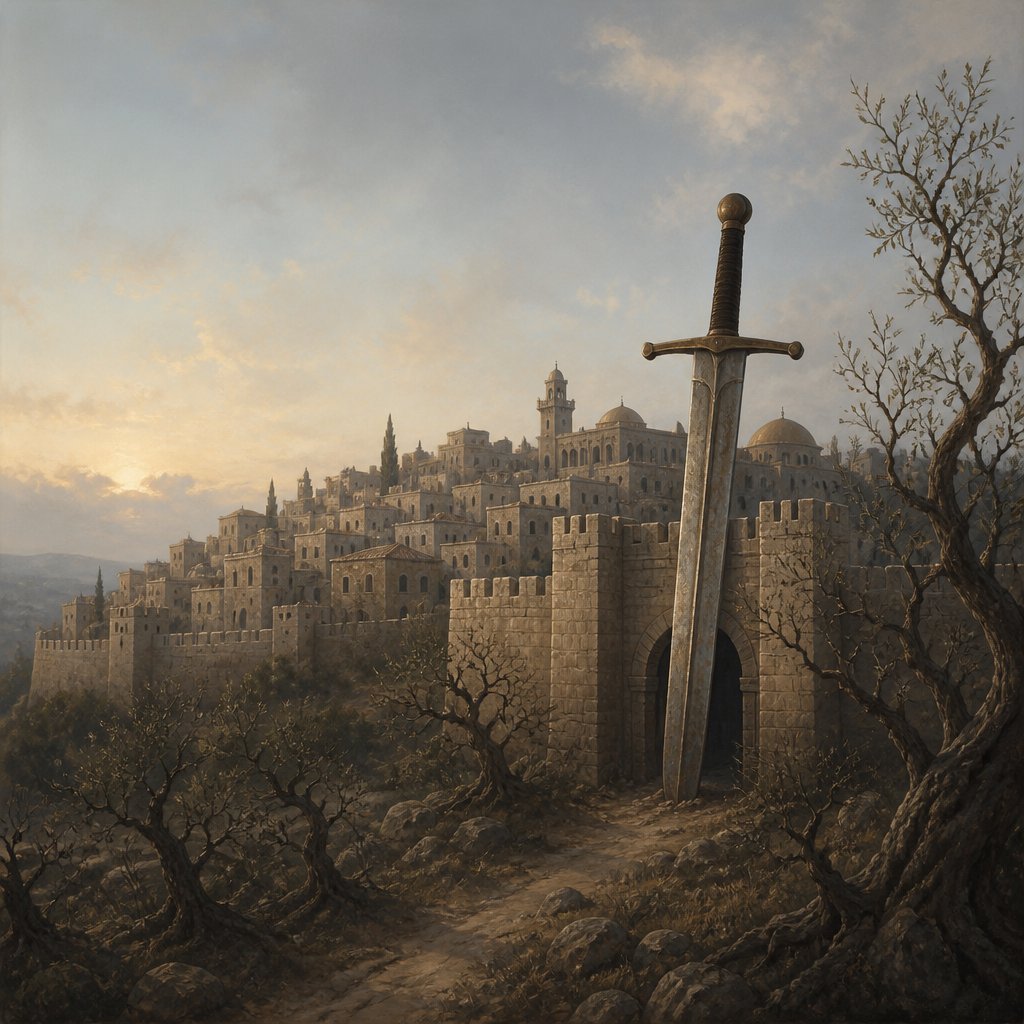
Hosea 11:6 (KJV) says, "And the sword shall abide on his cities, and shall consume his branches, and devour them, because of their own counsels." This verse is part of the book of Hosea, which is found in the Old Testament of the Bible. In this book, the prophet Hosea delivers messages from God to the people of Israel, warning them of the consequences of their disobedience and calling them to repentance.
In Hosea 11, God speaks through the prophet to express his deep love and compassion for the people of Israel, despite their unfaithfulness. He begins by recounting the early relationship between himself and the Israelites, comparing it to a loving father caring for his child. However, as the chapter progresses, God laments over the people's continued rebellion and warns of the impending judgment that will come as a result. Hosea 11:6 is part of this warning, describing the destruction that will befall the Israelites as a result of their own actions.
The verse begins with the mention of a sword that will "abide on his cities." This imagery evokes a sense of impending doom and destruction. In biblical times, the sword was a symbol of warfare and the power of conquest. The mention of the sword abiding on the cities suggests a prolonged period of turmoil and conflict. The word "abide" indicates that this destruction will not be temporary, but rather a lasting and enduring affliction.
The verse then speaks of the sword consuming the branches of the cities. This metaphorical language suggests that the destruction will be thorough and complete, leaving nothing untouched. In the context of the ancient world, the branches of a city would have represented its strength, prosperity, and vitality. By saying that the sword will devour the branches, it conveys the idea that the destruction will not merely be limited to the physical buildings and structures, but will also extend to the very heart and life of the cities.
The verse concludes by attributing this destruction to "their own counsels." This phrase suggests that the root cause of the devastation is the people's reliance on their own wisdom and guidance instead of turning to God. Throughout the book of Hosea, the people of Israel are rebuked for their idolatry and their pursuit of worldly alliances, rather than seeking God's will and following his commandments. This verse serves as a reminder that the consequences of their actions are direct results of their own choices and decisions.
In a broader sense, Hosea 11:6 speaks to the universal theme of reaping what one sows. It serves as a warning about the potential outcome of turning away from God and pursuing selfish desires and worldly ambitions. The verse also emphasizes the importance of seeking God's guidance and wisdom, rather than relying on human counsel and understanding.
The context of this verse within the book of Hosea is crucial for understanding its significance. Throughout the book, Hosea uses powerful and evocative language to depict the relationship between God and his people. The imagery of a father and his wayward child is central to the book's message, highlighting the depth of God's love and the pain caused by the people's unfaithfulness.
Symbolism is also present in Hosea 11:6, with the sword representing the divine judgment and the people's counsels symbolizing their misguided decisions. The use of metaphorical language serves to convey the spiritual and moral consequences of the people's actions, rather than simply describing physical destruction.
In conclusion, Hosea 11:6 is a powerful and evocative verse that encapsulates the themes of judgment, consequences, and the need for repentance found throughout the book of Hosea. Its imagery and language impart a strong message about the destructive effects of turning away from God and the importance of seeking divine guidance. This verse serves as a powerful reminder of the consequences of disobedience and the enduring love and patience of God towards his people.
Get our apps


Artwork for Hosea 11:6

Hosea 11:6 - "And the sword shall abide on his cities, and shall consume his branches, and devour them, because of their own counsels."
"And the sword shall abide on his cities, and shall consume his branches, and devour them, because of their own counsels." - Hosea 11:6

Hosea 6:11 - "Also, O Judah, he hath set an harvest for thee, when I returned the captivity of my people."

Hosea 6:6 - "For I desired mercy, and not sacrifice; and the knowledge of God more than burnt offerings."
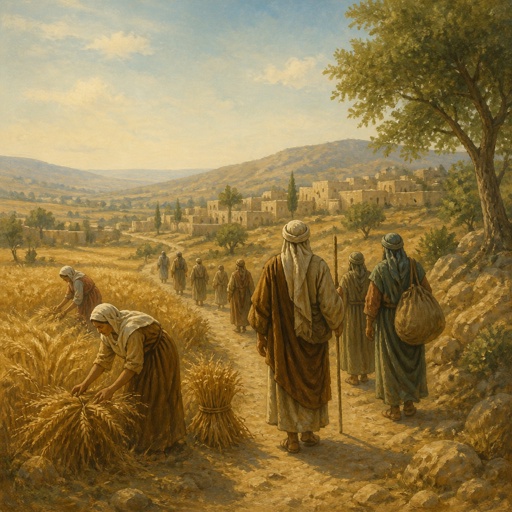
"Also, O Judah, he hath set an harvest for thee, when I returned the captivity of my people." - Hosea 6:11

Hosea 11:11 - "They shall tremble as a bird out of Egypt, and as a dove out of the land of Assyria: and I will place them in their houses, saith the LORD."

Hosea 6:8 - "Gilead is a city of them that work iniquity, and is polluted with blood."

Hosea 14:5-6 – "I will be like the dew to Israel; he will blossom like a lily."

Hosea 7:11 - "¶ Ephraim also is like a silly dove without heart: they call to Egypt, they go to Assyria."

Hosea 5:11 - "Ephraim is oppressed and broken in judgment, because he willingly walked after the commandment."

Hosea 6:7 - "But they like men have transgressed the covenant: there have they dealt treacherously against me."

Hosea 8:11 - "Because Ephraim hath made many altars to sin, altars shall be unto him to sin."

Hosea 11:3 - "I taught Ephraim also to go, taking them by their arms; but they knew not that I healed them."

Hosea 13:11 - "I gave thee a king in mine anger, and took him away in my wrath."

Hosea 11:1 - "When Israel was a child, then I loved him, and called my son out of Egypt."

Hosea 9:11 - "As for Ephraim, their glory shall fly away like a bird, from the birth, and from the womb, and from the conception."

Hosea 11:5 - "¶ He shall not return into the land of Egypt, but the Assyrian shall be his king, because they refused to return."

Hosea 12:11 - "Is there iniquity in Gilead? surely they are vanity: they sacrifice bullocks in Gilgal; yea, their altars are as heaps in the furrows of the fields."

Hosea 8:6 - "For from Israel was it also: the workman made it; therefore it is not God: but the calf of Samaria shall be broken in pieces."

Hosea 6:9 - "And as troops of robbers wait for a man, so the company of priests murder in the way by consent: for they commit lewdness."

Hosea 11:2 - "As they called them, so they went from them: they sacrificed unto Baalim, and burned incense to graven images."

Hosea 14:6 - "His branches shall spread, and his beauty shall be as the olive tree, and his smell as Lebanon."

Hosea 12:6 - "Therefore turn thou to thy God: keep mercy and judgment, and wait on thy God continually."

Hosea 13:6 - "According to their pasture, so were they filled; they were filled, and their heart was exalted; therefore have they forgotten me."

Hosea 11:12 - "Ephraim compasseth me about with lies, and the house of Israel with deceit: but Judah yet ruleth with God, and is faithful with the saints."
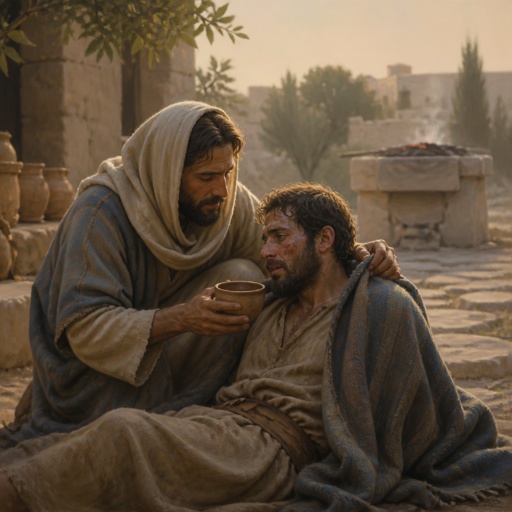
"For I desired mercy, and not sacrifice; and the knowledge of God more than burnt offerings." - Hosea 6:6

Hosea 2:6 - "¶ Therefore, behold, I will hedge up thy way with thorns, and make a wall, that she shall not find her paths."

Hosea 5:6 - "They shall go with their flocks and with their herds to seek the LORD; but they shall not find him; he hath withdrawn himself from them."
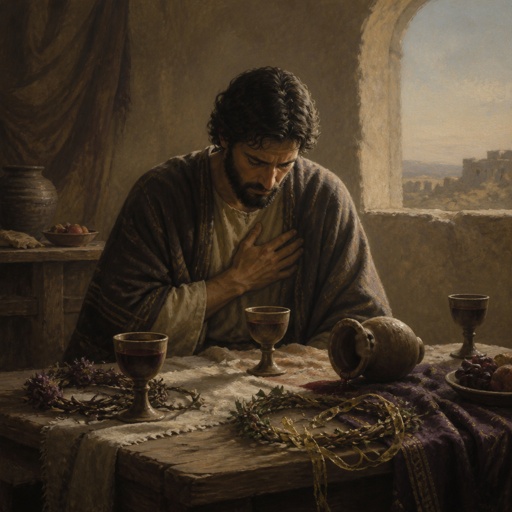
"Whoredom and wine and new wine take away the heart." - Hosea 4:11

Hosea 11:7 - "And my people are bent to backsliding from me: though they called them to the most High, none at all would exalt him."