What does Hosea 11:9 mean?
“I will not execute the fierceness of mine anger, I will not return to destroy Ephraim: for I am God, and not man; the Holy One in the midst of thee: and I will not enter into the city.” — Hosea 11:9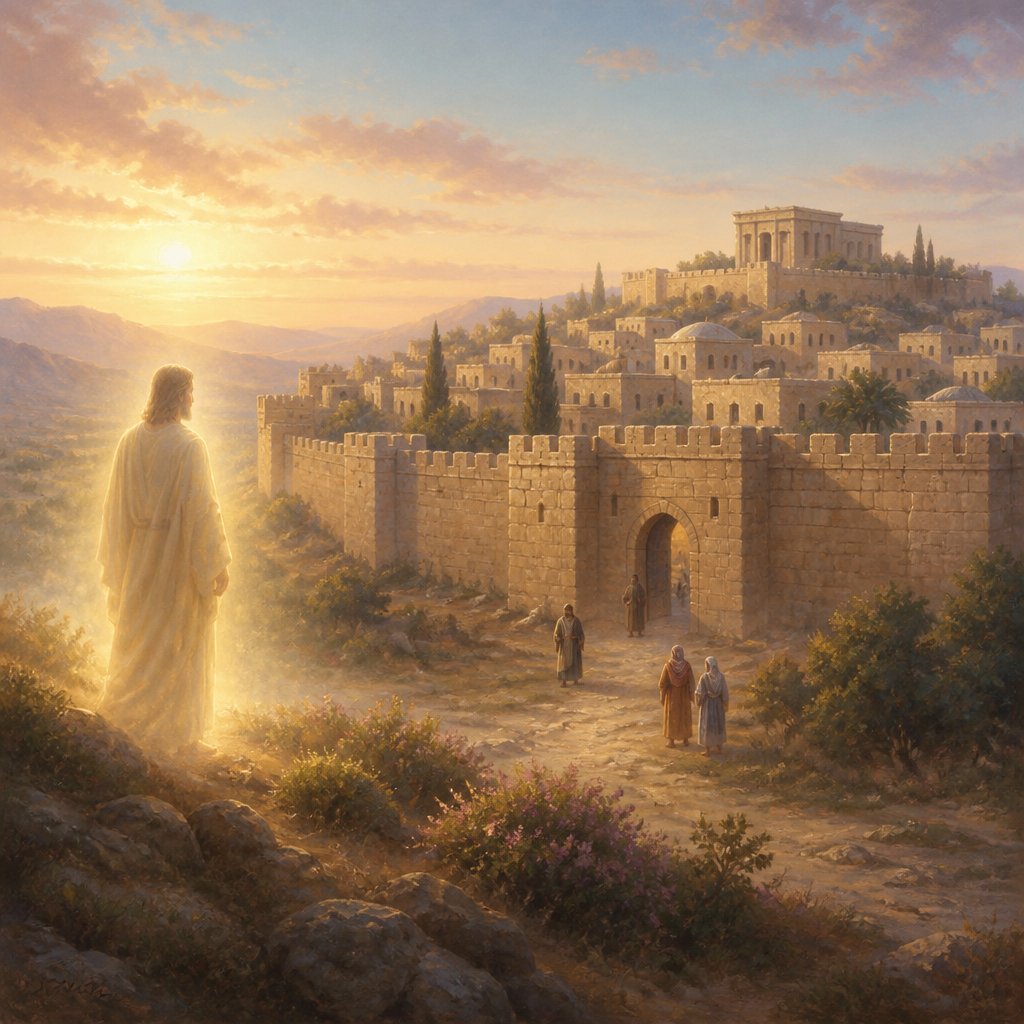
Hosea 11:9 in the King James Version (KJV) reads, "I will not execute the fierceness of mine anger, I will not return to destroy Ephraim: for I am God, and not man; the Holy One in the midst of thee: and I will not enter into the city."
The book of Hosea is part of the Old Testament and is one of the 12 minor prophets. Hosea was a prophet in the 8th century BC and the book is a record of his prophecies to the Israelites. The verse above comes in the midst of a section where Hosea is speaking about the punishment and mercy of God towards the nation of Israel. The verse reflects a turning point in the relationship between God and His people, as He declares His decision to withhold His anger and not destroy them.
The context of this verse is important in understanding its meaning. Throughout the book of Hosea, God is portrayed as a loving and compassionate father who is deeply hurt by the unfaithfulness of His people. The prophet uses the metaphor of a husband and wife to describe God's relationship with Israel, depicting their unfaithfulness as a wife who has gone after other lovers. Despite their disobedience, God's love for His people is unwavering, and He ultimately extends mercy and grace to them.
The verse begins with God declaring that He will not execute the fierceness of His anger. This highlights God's decision to show mercy rather than bring about the full extent of His wrath. It emphasizes the compassion and forgiveness of God, even in the face of His people's disobedience and rebellion. This is a powerful reminder of God's unchanging nature and His willingness to extend grace to those who repent and turn back to Him.
The verse also states that God will not return to destroy Ephraim, which is a reference to the northern kingdom of Israel. In the historical context, Ephraim was one of the prominent tribes of Israel and is often used as a representation of the entire nation. God's decision not to destroy Ephraim demonstrates His desire to preserve and protect His people, despite their waywardness. It speaks to the enduring love and faithfulness of God, even when His people deserve judgment.
The next part of the verse reinforces the divine nature of God, emphasizing that He is not like man. This is a crucial distinction, as it highlights God's sovereignty and holiness. Unlike human beings who are prone to anger, vengeance, and fickleness, God is just and merciful. His actions are not driven by human emotions or limitations, but by His perfect and unchanging character. This reaffirms the trustworthiness of God and His faithfulness to His promises.
The verse concludes with the declaration that God is the Holy One in the midst of His people and that He will not enter into the city. This imagery of God being present among His people underscores His closeness and accessibility. Despite the sins of the Israelites, God remains in their midst, ready to extend forgiveness and restoration to those who seek Him. The reference to not entering the city may indicate a symbolic separation between God and the sinfulness of His people, yet it also points to His continued protection and provision for them.
Symbolically, this verse represents the enduring love and mercy of God towards His people. It speaks to the unchanging nature of God, His willingness to extend grace, and the hope of restoration for those who turn to Him. The imagery of a loving father and a faithful husband reinforces the deep personal relationship that God desires to have with His people. Despite their waywardness and unfaithfulness, God's steadfast love remains constant, offering hope and redemption.
Overall, Hosea 11:9 in the King James Version encapsulates the themes of God's mercy, faithfulness, and sovereignty. It portrays a powerful picture of a compassionate and forgiving God who longs for His people to return to Him. It serves as a reminder of the unchanging nature of God and His willingness to extend grace even in the face of human sinfulness. It offers hope and reassurance to all who seek God, affirming His enduring love and commitment to His people.
Get our apps


Artwork for Hosea 11:9

Hosea 11:9 - "I will not execute the fierceness of mine anger, I will not return to destroy Ephraim: for I am God, and not man; the Holy One in the midst of thee: and I will not enter into the city."
"I will not execute the fierceness of mine anger, I will not return to destroy Ephraim: for I am God, and not man; the Holy One in the midst of thee: and I will not enter into the city." - Hosea 11:9

Hosea 9:11 - "As for Ephraim, their glory shall fly away like a bird, from the birth, and from the womb, and from the conception."
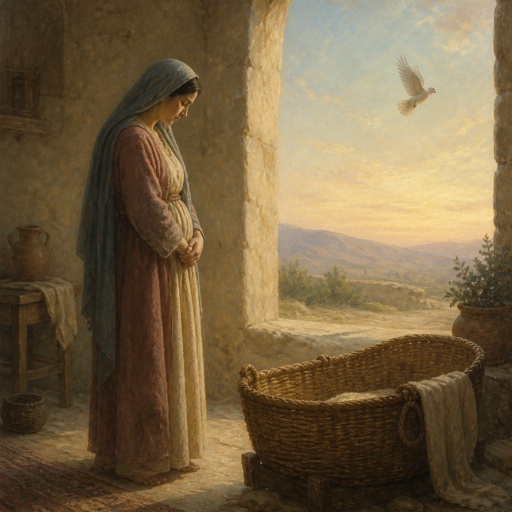
"As for Ephraim, their glory shall fly away like a bird, from the birth, and from the womb, and from the conception." - Hosea 9:11

Hosea 9:9 - "They have deeply corrupted themselves, as in the days of Gibeah: therefore he will remember their iniquity, he will visit their sins."

Hosea 11:11 - "They shall tremble as a bird out of Egypt, and as a dove out of the land of Assyria: and I will place them in their houses, saith the LORD."

Hosea 13:9 - "¶ O Israel, thou hast destroyed thyself; but in me is thine help."

Hosea 9:5 - "What will ye do in the solemn day, and in the day of the feast of the LORD?"

Hosea 7:11 - "¶ Ephraim also is like a silly dove without heart: they call to Egypt, they go to Assyria."

Hosea 5:11 - "Ephraim is oppressed and broken in judgment, because he willingly walked after the commandment."

Hosea 9:2 - "The floor and the winepress shall not feed them, and the new wine shall fail in her."

Hosea 8:11 - "Because Ephraim hath made many altars to sin, altars shall be unto him to sin."

Hosea 11:3 - "I taught Ephraim also to go, taking them by their arms; but they knew not that I healed them."

Hosea 13:11 - "I gave thee a king in mine anger, and took him away in my wrath."

Hosea 11:1 - "When Israel was a child, then I loved him, and called my son out of Egypt."

Hosea 6:9 - "And as troops of robbers wait for a man, so the company of priests murder in the way by consent: for they commit lewdness."

Hosea 8:9 - "For they are gone up to Assyria, a wild ass alone by himself: Ephraim hath hired lovers."

Hosea 11:5 - "¶ He shall not return into the land of Egypt, but the Assyrian shall be his king, because they refused to return."

Hosea 12:11 - "Is there iniquity in Gilead? surely they are vanity: they sacrifice bullocks in Gilgal; yea, their altars are as heaps in the furrows of the fields."

Hosea 1:9 - "Then said God, Call his name Lo-ammi: for ye are not my people, and I will not be your God."

Hosea 9:3 - "They shall not dwell in the LORD'S land; but Ephraim shall return to Egypt, and they shall eat unclean things in Assyria."

Hosea 4:9 - "And there shall be, like people, like priest: and I will punish them for their ways, and reward them their doings."

Hosea 11:2 - "As they called them, so they went from them: they sacrificed unto Baalim, and burned incense to graven images."

Hosea 9:13 - "Ephraim, as I saw Tyrus, is planted in a pleasant place: but Ephraim shall bring forth his children to the murderer."

Hosea 9:17 - "My God will cast them away, because they did not hearken unto him: and they shall be wanderers among the nations."

Hosea 9:8 - "The watchman of Ephraim was with my God: but the prophet is a snare of a fowler in all his ways, and hatred in the house of his God."

Hosea 11:6 - "And the sword shall abide on his cities, and shall consume his branches, and devour them, because of their own counsels."

Hosea 6:11 - "Also, O Judah, he hath set an harvest for thee, when I returned the captivity of my people."

Hosea 11:12 - "Ephraim compasseth me about with lies, and the house of Israel with deceit: but Judah yet ruleth with God, and is faithful with the saints."

Hosea 5:9 - "Ephraim shall be desolate in the day of rebuke: among the tribes of Israel have I made known that which shall surely be."