What does Hosea 1:8 mean?
“Now when she had weaned Lo-ruhamah, she conceived, and bare a son.” — Hosea 1:8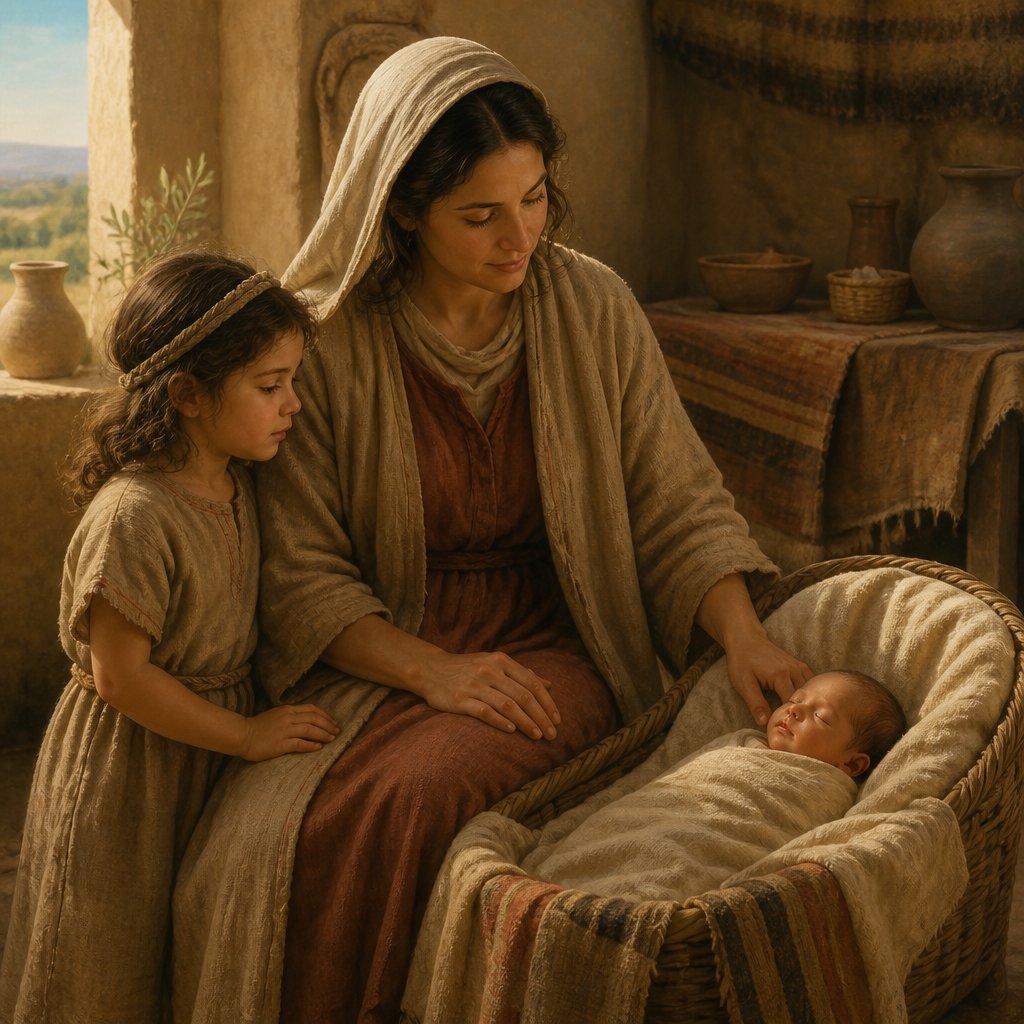
The Bible verse Hosea 1:8 from the King James Version (KJV) reads, "Now when she had weaned Loruhamah, she conceived, and bare a son." This verse is part of the larger passage where God commands the prophet Hosea to marry Gomer, a prostitute, as a symbol of God's relationship with his unfaithful people. In this verse, Hosea's wife Gomer gives birth to a son after weaning her daughter Loruhamah, whose name means "not pitied" or "not loved."
The book of Hosea is rich in themes of judgment, restoration, and the unending faithfulness of God. The prophet Hosea was called by God to illustrate the unfaithfulness of Israel and God's unfailing love for His people. Hosea's marriage to Gomer symbolizes the covenant relationship between God and Israel, with Gomer representing Israel's unfaithfulness and Hosea representing God's enduring love and forgiveness.
In Hosea 1:8, the birth of Gomer's son after she had weaned Loruhamah further symbolizes the ongoing cycle of judgment and restoration that characterizes God's relationship with His people. The weaning of Loruhamah may represent a period of discipline and separation, as God withholds His favor from Israel due to their unfaithfulness. However, Gomer's conception and the birth of a son following this period of weaning symbolize God's promise of restoration and renewal.
The names of Hosea's children also carry symbolic significance. Loruhamah, meaning "not pitied," represents God's judgment and discipline on the unfaithful nation of Israel. This judgment is a consequence of their idolatry and unfaithfulness to God. However, Gomer's subsequent conception and the birth of a son symbolize God's promise to show mercy and restore His people, as the name of the son, Loammi, meaning "not my people," is eventually changed to Ammi, meaning "my people," signifying God's renewed acceptance and love for His people.
The passage in Hosea 1:8 also serves as a poignant reminder of the faithfulness of God amidst human unfaithfulness. Despite Israel's persistent idolatry and unfaithfulness, God never abandons His people completely. He continues to extend the offer of reconciliation and restoration, as evidenced by the eventual change in the names and fates of the children in Hosea's family.
In a broader context, Hosea 1:8 also speaks to the universal themes of God's steadfast love and the consequences of disobedience. The verse reminds readers of the enduring nature of God's covenantal love, as well as the reality of divine discipline in response to unfaithfulness. It underscores the importance of repentance and turning back to God in order to experience His mercy and restoration.
The symbolism in Hosea 1:8 also reflects the redemptive narrative of the Bible as a whole, pointing to the ultimate restoration and renewal found in Jesus Christ. The birth of Gomer's son after the weaning of Loruhamah foreshadows the eventual spiritual restoration of God's people through the redemptive work of Christ, who offers forgiveness and reconciliation to all who turn to Him in faith.
In conclusion, Hosea 1:8 from the King James Version presents a powerful and layered commentary on the themes of judgment, restoration, and God's unending faithfulness. The verse serves as a poignant reminder of the consequences of unfaithfulness, the promise of restoration, and the enduring love of God. It also points to the ultimate hope of redemption and renewal found in Jesus Christ.
Get our apps


Artwork for Hosea 1:8

Hosea 1:8 - "¶ Now when she had weaned Lo-ruhamah, she conceived, and bare a son."
"¶ Now when she had weaned Lo-ruhamah, she conceived, and bare a son." - Hosea 1:8

Hosea 8:8 - "Israel is swallowed up: now shall they be among the Gentiles as a vessel wherein is no pleasure."

Hosea 8:1 - "Set the trumpet to thy mouth. He shall come as an eagle against the house of the LORD, because they have transgressed my covenant, and trespassed against my law."

Hosea 6:8 - "Gilead is a city of them that work iniquity, and is polluted with blood."

Hosea 4:8 - "They eat up the sin of my people, and they set their heart on their iniquity."
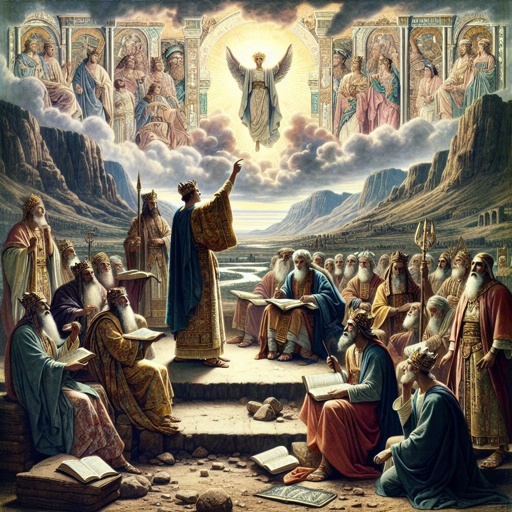
Hosea 1:1 - "The word of the LORD that came unto Hosea, the son of Beeri, in the days of Uzziah, Jotham, Ahaz, and Hezekiah, kings of Judah, and in the days of Jeroboam the son of Joash, king of Israel."

Hosea 8:3 - "Israel hath cast off the thing that is good: the enemy shall pursue him."

Hosea 7:8 - "Ephraim, he hath mixed himself among the people; Ephraim is a cake not turned."
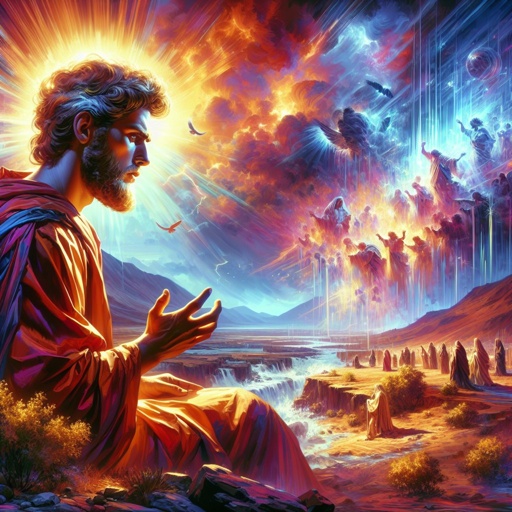
Hosea 1:2 - "The beginning of the word of the LORD by Hosea. And the LORD said to Hosea, Go, take unto thee a wife of whoredoms and children of whoredoms: for the land hath committed great whoredom, departing from the LORD."

Hosea 1:2

Hosea 3:1

Hosea 8:2 - "Israel shall cry unto me, My God, we know thee."

Hosea 1:2

Hosea 8:11 - "Because Ephraim hath made many altars to sin, altars shall be unto him to sin."

Hosea 8:6 - "For from Israel was it also: the workman made it; therefore it is not God: but the calf of Samaria shall be broken in pieces."

Hosea 8:9 - "For they are gone up to Assyria, a wild ass alone by himself: Ephraim hath hired lovers."

Hosea 8:12 - "I have written to him the great things of my law, but they were counted as a strange thing."

Hosea 9:8 - "The watchman of Ephraim was with my God: but the prophet is a snare of a fowler in all his ways, and hatred in the house of his God."

Hosea 3:1-5
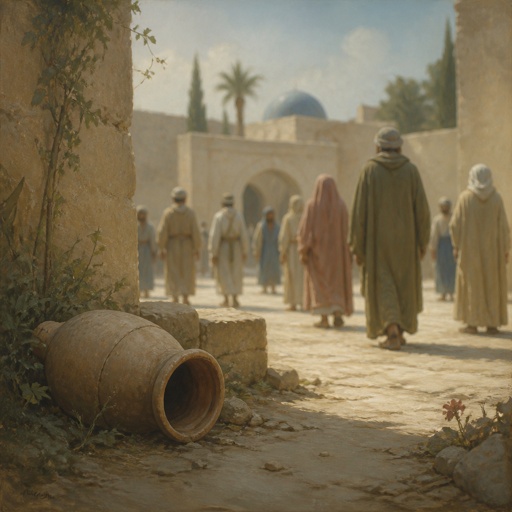
"Israel is swallowed up: now shall they be among the Gentiles as a vessel wherein is no pleasure." - Hosea 8:8

Hosea 5:8 - "Blow ye the cornet in Gibeah, and the trumpet in Ramah: cry aloud at Beth-aven, after thee, O Benjamin."

Hosea 8:10 - "Yea, though they have hired among the nations, now will I gather them, and they shall sorrow a little for the burden of the king of princes."
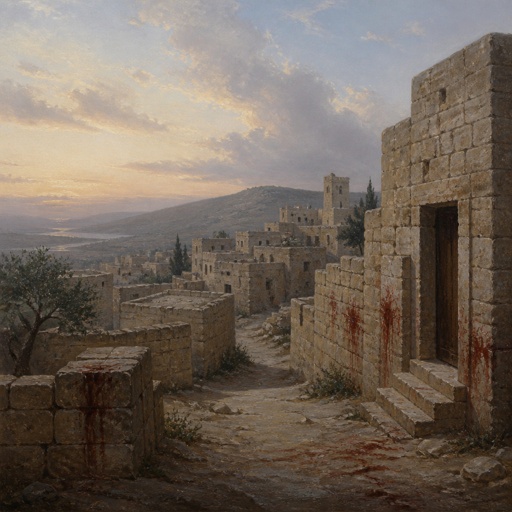
"Gilead is a city of them that work iniquity, and is polluted with blood." - Hosea 6:8

Hosea 2:8 - "For she did not know that I gave her corn, and wine, and oil, and multiplied her silver and gold, which they prepared for Baal."

Hosea 8:5 - "¶ Thy calf, O Samaria, hath cast thee off; mine anger is kindled against them: how long will it be ere they attain to innocency?"

Hosea 8:7 - "For they have sown the wind, and they shall reap the whirlwind: it hath no stalk: the bud shall yield no meal: if so be it yield, the strangers shall swallow it up."
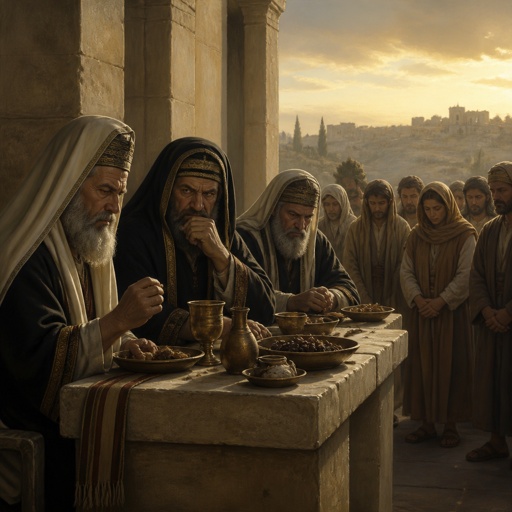
"They eat up the sin of my people, and they set their heart on their iniquity." - Hosea 4:8

Hosea 1:2-11;2:14;3:5

Hosea 8:13 - "They sacrifice flesh for the sacrifices of mine offerings, and eat it; but the LORD accepteth them not; now will he remember their iniquity, and visit their sins: they shall return to Egypt."