What does Hosea 8:13 mean?
"They sacrifice flesh for the sacrifices of mine offerings, and eat it; but the LORD accepteth them not; now will he remember their iniquity, and visit their sins: they shall return to Egypt." - Hosea 8:13
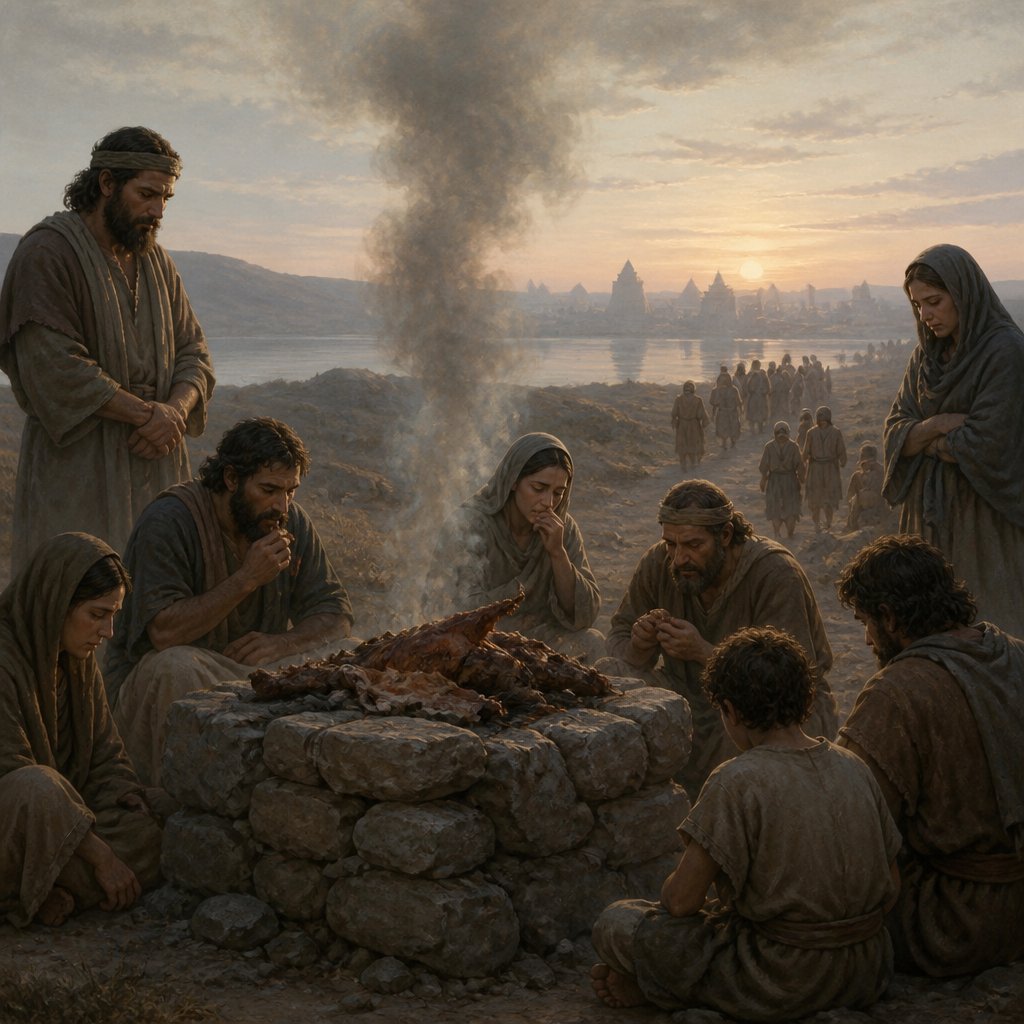
Hosea 8:13 (KJV) - "They sacrifice flesh for the sacrifices of mine offerings, and eat it; but the Lord accepteth them not; now will he remember their iniquity, and visit their sins: they shall return to Egypt."
The book of Hosea is a prophetic text in the Hebrew Bible, and it is attributed to the prophet Hosea who ministered in the northern kingdom of Israel during the 8th century BC. The book contains a collection of prophetic oracles, visions, and symbolic actions that address the spiritual and moral condition of the people of Israel. Hosea prophesies against the idolatry, injustice, and unfaithfulness of the people, warning them of the consequences of their disobedience to God.
In this particular verse, Hosea 8:13, the prophet speaks of the people's false worship and the rejection of their sacrifices by the Lord. The people are sacrificing flesh for the offerings without true repentance and a sincere heart, and as a result, their sacrifices are deemed unacceptable by God. The verse also mentions the punishment that awaits the people for their sins, stating that they shall return to Egypt, symbolizing their impending captivity and exile.
The context of this verse is crucial for understanding its significance. The people of Israel had turned away from God and had embraced idolatry and wickedness. They were practicing religious rituals and sacrifices, but their hearts were far from God. The prophet Hosea brings a message of warning and judgment, emphasizing the importance of genuine repentance and spiritual renewal.
One of the main themes of Hosea 8:13 is the concept of true worship and obedience to God. The verse condemns the outward display of religious rituals without genuine faith and devotion. The people were going through the motions of offering sacrifices, but their hearts were not aligned with God's will. This theme serves as a powerful reminder for believers to examine their own motives and intentions in their worship and service to God, emphasizing the significance of sincerity and authenticity in their relationship with Him.
Another important theme in this verse is the idea of consequences for disobedience. The verse warns of the divine judgment that will come upon the people for their iniquity and sin. The mention of returning to Egypt symbolizes the impending punishment of exile and captivity. This theme highlights the biblical principle of reaping what one sows, reinforcing the importance of righteousness and obedience in the sight of God.
Symbolism plays a significant role in understanding the deeper meaning of Hosea 8:13. The act of sacrificing flesh for offerings symbolizes the people's insincere and ritualistic worship, devoid of genuine repentance and obedience. The rejection of their sacrifices by the Lord symbolizes God's disapproval of their false and hypocritical worship. The mention of returning to Egypt symbolizes the imminent punishment and exile that will befall the people as a result of their disobedience.
In conclusion, Hosea 8:13 serves as a poignant reminder of the importance of genuine worship, repentance, and obedience to God. The verse conveys a message of warning and judgment, emphasizing the significance of sincerity and authenticity in one's relationship with the Lord. It also underscores the biblical principle of reaping what one sows, highlighting the consequences of disobedience and the need for righteousness. Through its themes and symbolism, Hosea 8:13 provides valuable insights into the spiritual and moral dynamics of the people of Israel, as well as timeless lessons for believers today.
Have questions about Hosea 8:13?
Dive deeper into this scripture with Bible Chat — an AI-powered tool for exploring God's Word through conversation. Ask questions, get context, and grow in your understanding of the Bible.
Get Our Apps


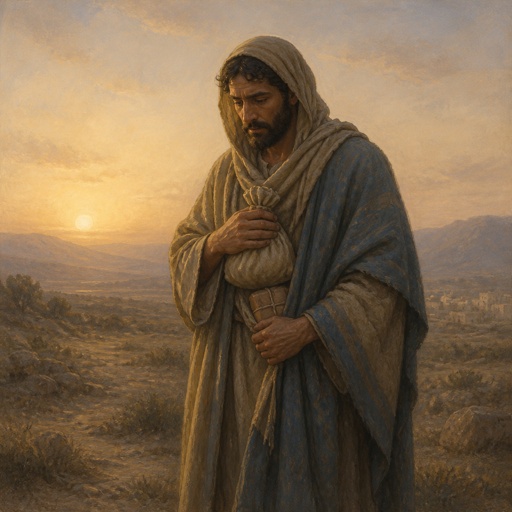
Hosea 8:13 Artwork

Hosea 8:13 - "They sacrifice flesh for the sacrifices of mine offerings, and eat it; but the LORD accepteth them not; now will he remember their iniquity, and visit their sins: they shall return to Egypt."
"They sacrifice flesh for the sacrifices of mine offerings, and eat it; but the LORD accepteth them not; now will he remember their iniquity, and visit their sins: they shall return to Egypt." - Hosea 8:13

Hosea 8:8 - "Israel is swallowed up: now shall they be among the Gentiles as a vessel wherein is no pleasure."

Hosea 13:12 - "The iniquity of Ephraim is bound up; his sin is hid."

Hosea 13:5 - "¶ I did know thee in the wilderness, in the land of great drought."

Hosea 6:8 - "Gilead is a city of them that work iniquity, and is polluted with blood."

Hosea 12:13 - "And by a prophet the LORD brought Israel out of Egypt, and by a prophet was he preserved."
Hosea 13:9 - "¶ O Israel, thou hast destroyed thyself; but in me is thine help."

Hosea 4:8 - "They eat up the sin of my people, and they set their heart on their iniquity."

Hosea 13:7 - "Therefore I will be unto them as a lion: as a leopard by the way will I observe them:"

Hosea 13:13 - "The sorrows of a travailing woman shall come upon him: he is an unwise son; for he should not stay long in the place of the breaking forth of children."

Hosea 8:3 - "Israel hath cast off the thing that is good: the enemy shall pursue him."

Hosea 7:8 - "Ephraim, he hath mixed himself among the people; Ephraim is a cake not turned."

Hosea 13:11 - "I gave thee a king in mine anger, and took him away in my wrath."

Hosea 1:8 - "¶ Now when she had weaned Lo-ruhamah, she conceived, and bare a son."

Hosea 8:2 - "Israel shall cry unto me, My God, we know thee."

Hosea 8:11 - "Because Ephraim hath made many altars to sin, altars shall be unto him to sin."

Hosea 8:6 - "For from Israel was it also: the workman made it; therefore it is not God: but the calf of Samaria shall be broken in pieces."

Hosea 13:6 - "According to their pasture, so were they filled; they were filled, and their heart was exalted; therefore have they forgotten me."

Hosea 8:9 - "For they are gone up to Assyria, a wild ass alone by himself: Ephraim hath hired lovers."

Hosea 9:13 - "Ephraim, as I saw Tyrus, is planted in a pleasant place: but Ephraim shall bring forth his children to the murderer."

Hosea 13:1 - "When Ephraim spake trembling, he exalted himself in Israel; but when he offended in Baal, he died."

Hosea 8:12 - "I have written to him the great things of my law, but they were counted as a strange thing."

Hosea 9:8 - "The watchman of Ephraim was with my God: but the prophet is a snare of a fowler in all his ways, and hatred in the house of his God."

"I will meet them as a bear that is bereaved of her whelps, and will rend the caul of their heart, and there will I devour them like a lion: the wild beast shall tear them." - Hosea 13:8
"Israel is swallowed up: now shall they be among the Gentiles as a vessel wherein is no pleasure." - Hosea 8:8
"The iniquity of Ephraim is bound up; his sin is hid." - Hosea 13:12

Hosea 5:8 - "Blow ye the cornet in Gibeah, and the trumpet in Ramah: cry aloud at Beth-aven, after thee, O Benjamin."

Hosea 13:3 - "Therefore they shall be as the morning cloud, and as the early dew that passeth away, as the chaff that is driven with the whirlwind out of the floor, and as the smoke out of the chimney."

Hosea 8:10 - "Yea, though they have hired among the nations, now will I gather them, and they shall sorrow a little for the burden of the king of princes."