What does Hosea 9:14 mean?
“Give them, O LORD: what wilt thou give? give them a miscarrying womb and dry breasts.” — Hosea 9:14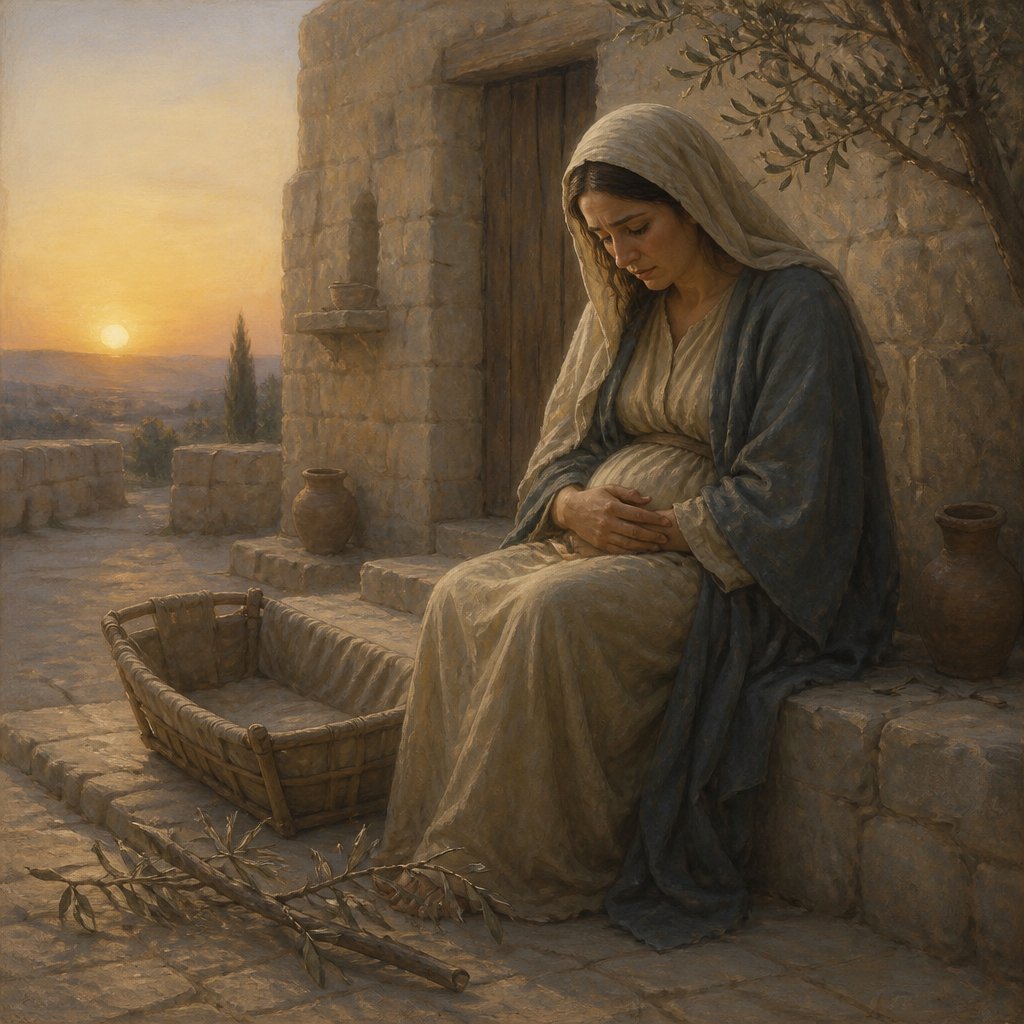
Hosea 9:14 in the King James Version of the Bible reads, "Give them, O Lord: what wilt thou give? give them a miscarrying womb and dry breasts."
This verse is part of the book of Hosea, which is one of the prophetic books in the Old Testament. Hosea was a prophet who lived in the Kingdom of Israel during a time of great moral and spiritual decline. The people of Israel had turned away from God and were worshipping idols, engaging in immoral behavior, and neglecting the poor and needy. Hosea's message was one of warning, urging the people to repent and return to God, or face the consequences of their disobedience.
In the broader context of the book of Hosea, this verse is part of a passage in which Hosea is pronouncing judgment upon the people of Israel for their unfaithfulness. The language in this verse is harsh and striking, as Hosea uses vivid imagery to convey the severity of the punishment that awaits the Israelites.
The mention of a "miscarrying womb and dry breasts" is a metaphor for infertility and barrenness. In ancient Israelite society, fertility was highly valued, and the inability to bear children was often seen as a curse or punishment from God. In this context, the mention of a miscarrying womb and dry breasts is a powerful image of the devastation and desolation that will come upon the people as a result of their disobedience.
The language in this verse may seem harsh and difficult for modern readers to understand, but it reflects the seriousness with which the Israelites' disobedience was viewed in the ancient world. In the worldview of the ancient Israelites, the covenant between God and his people was central to their identity and well-being, and any violation of that covenant was seen as a grave offense.
From a thematic perspective, this verse speaks to the consequences of disobedience and the severity of divine judgment. Throughout the book of Hosea, there is a recurring theme of the consequences of unfaithfulness and the need for repentance. The language of judgment and punishment in this verse serves as a powerful reminder of the importance of faithfulness and obedience in the eyes of God.
In terms of symbolism, the mention of a "miscarrying womb and dry breasts" may also be understood as a metaphor for spiritual barrenness and unfruitfulness. The image of infertility can be seen as a symbol of the spiritual emptiness and lack of productivity that result from turning away from God. It serves as a warning to the people of Israel, and by extension, to all who read the book of Hosea, about the devastating consequences of forsaking their covenant relationship with God.
Overall, Hosea 9:14 is a powerful and evocative verse that reflects the intense language of divine judgment found throughout the book of Hosea. It serves as a stark reminder of the consequences of unfaithfulness and the importance of remaining faithful to God. While the imagery may be difficult for modern readers to relate to, it carries a timeless message about the seriousness of sin and the need for repentance and restoration in our relationship with God.
Get our apps


Artwork for Hosea 9:14
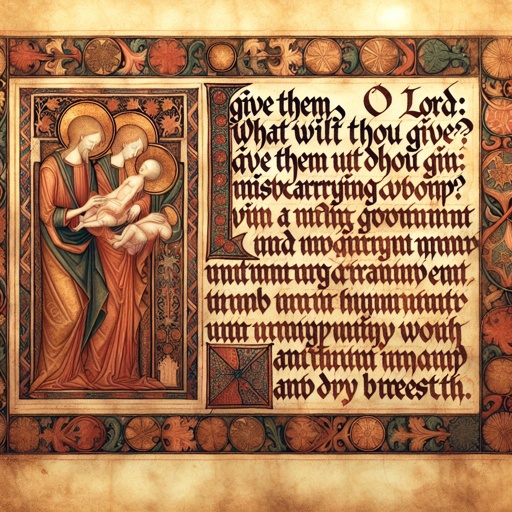
Hosea 9:14 - "Give them, O LORD: what wilt thou give? give them a miscarrying womb and dry breasts."
"Give them, O LORD: what wilt thou give? give them a miscarrying womb and dry breasts." - Hosea 9:14

Hosea 14:9 - "Who is wise, and he shall understand these things? prudent, and he shall know them? for the ways of the LORD are right, and the just shall walk in them: but the transgressors shall fall therein."

Hosea 14:5-6 – "I will be like the dew to Israel; he will blossom like a lily."

Hosea 9:9 - "They have deeply corrupted themselves, as in the days of Gibeah: therefore he will remember their iniquity, he will visit their sins."

Hosea 13:9 - "¶ O Israel, thou hast destroyed thyself; but in me is thine help."

Hosea 9:5 - "What will ye do in the solemn day, and in the day of the feast of the LORD?"

Hosea 14:1 - "O Israel, return unto the LORD thy God; for thou hast fallen by thine iniquity."

Hosea 2:14 - "¶ Therefore, behold, I will allure her, and bring her into the wilderness, and speak comfortably unto her."

Hosea 9:2 - "The floor and the winepress shall not feed them, and the new wine shall fail in her."

Hosea 14:4 - "¶ I will heal their backsliding, I will love them freely: for mine anger is turned away from him."

Hosea 14:6 - "His branches shall spread, and his beauty shall be as the olive tree, and his smell as Lebanon."

Hosea 6:9 - "And as troops of robbers wait for a man, so the company of priests murder in the way by consent: for they commit lewdness."

Hosea 8:9 - "For they are gone up to Assyria, a wild ass alone by himself: Ephraim hath hired lovers."

Hosea 14:5 - "I will be as the dew unto Israel: he shall grow as the lily, and cast forth his roots as Lebanon."

Hosea 1:9 - "Then said God, Call his name Lo-ammi: for ye are not my people, and I will not be your God."

Hosea 9:3 - "They shall not dwell in the LORD'S land; but Ephraim shall return to Egypt, and they shall eat unclean things in Assyria."

Hosea 9:11 - "As for Ephraim, their glory shall fly away like a bird, from the birth, and from the womb, and from the conception."

Hosea 4:9 - "And there shall be, like people, like priest: and I will punish them for their ways, and reward them their doings."

Hosea 2:14-15 – "Therefore I am now going to allure her; I will lead her into the wilderness and speak tenderly to her."

Hosea 2:14-15 – "Therefore I am now going to allure her; I will lead her into the wilderness and speak tenderly to her."

Hosea 9:13 - "Ephraim, as I saw Tyrus, is planted in a pleasant place: but Ephraim shall bring forth his children to the murderer."

Hosea 9:17 - "My God will cast them away, because they did not hearken unto him: and they shall be wanderers among the nations."

Hosea 9:8 - "The watchman of Ephraim was with my God: but the prophet is a snare of a fowler in all his ways, and hatred in the house of his God."

Hosea 5:9 - "Ephraim shall be desolate in the day of rebuke: among the tribes of Israel have I made known that which shall surely be."
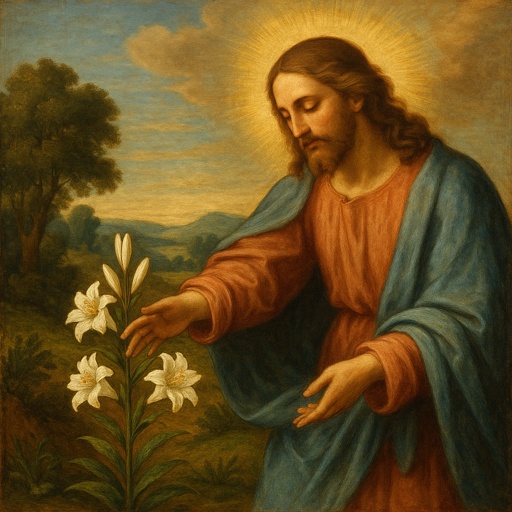
"I will be as the dew unto Israel: he shall grow as the lily, and cast forth his roots as Lebanon." - Hosea 14:5
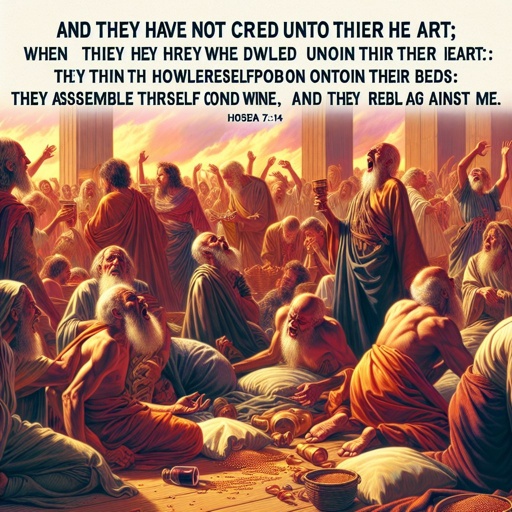
Hosea 7:14 - "And they have not cried unto me with their heart, when they howled upon their beds: they assemble themselves for corn and wine, and they rebel against me."
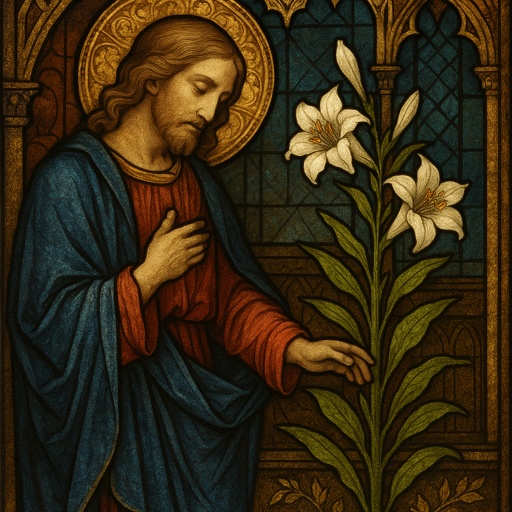
"I will be as the dew unto Israel: he shall grow as the lily, and cast forth his roots as Lebanon." - Hosea 14:5
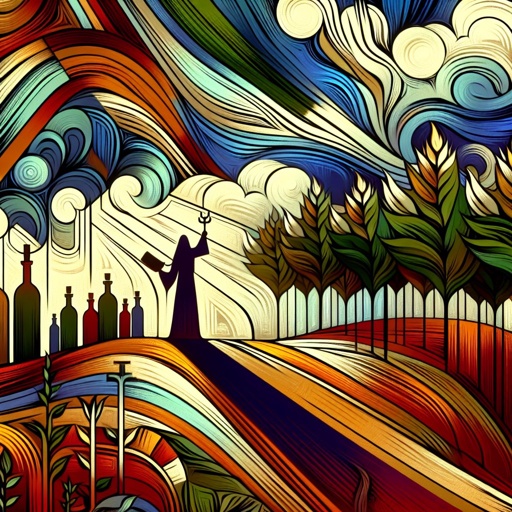
Hosea 14:7 - "They that dwell under his shadow shall return; they shall revive as the corn, and grow as the vine: the scent thereof shall be as the wine of Lebanon."

Hosea 7:9 - "Strangers have devoured his strength, and he knoweth it not: yea, gray hairs are here and there upon him, yet he knoweth not."