What does Isaiah 10:1-2 mean?
"Woe unto them that decree unrighteous decrees, and that write grievousness which they have prescribed; To turn aside the needy from judgment, and to take away the right from the poor of my people, that widows may be their prey, and that they may rob the fatherless!" - Isaiah 10:1-2
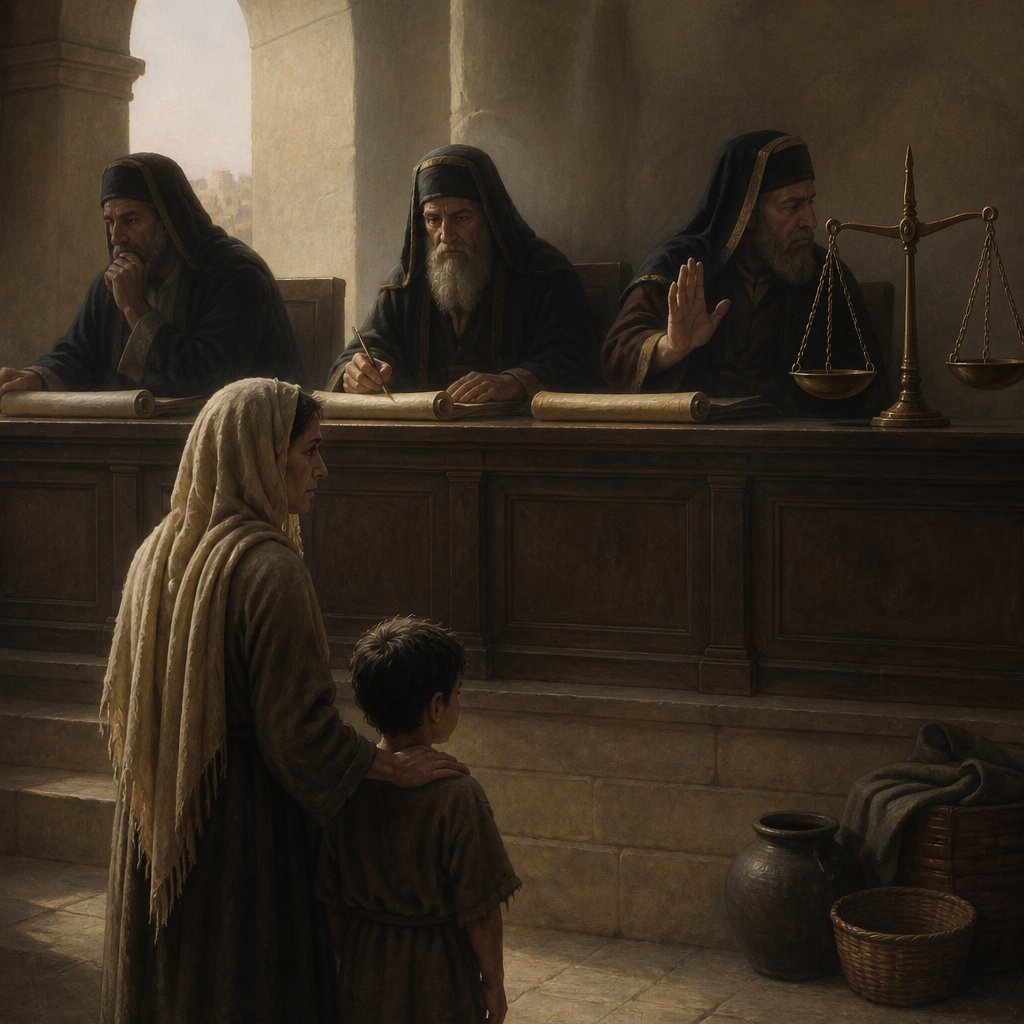
Isaiah 10:1-2 from the King James Version of the Bible reads, "Woe unto them that decree unrighteous decrees, and that write grievousness which they have prescribed; To turn aside the needy from judgment, and to take away the right from the poor of my people, that widows may be their prey, and that they may rob the fatherless!"
These verses are part of a larger passage in the book of Isaiah that discusses God's judgment against unjust rulers and leaders. The prophet Isaiah is delivering a message from God, warning the leaders of Israel and Judah about the consequences of their oppressive and corrupt behavior. In these two verses, Isaiah specifically condemns those who enact unjust laws and policies that harm the marginalized and vulnerable members of society.
One of the overarching themes of Isaiah 10:1-2 is the responsibility of those in power to govern justly and protect the rights of the oppressed. The "woe" spoken of in verse 1 is a warning of impending judgment and calamity that will befall those who abuse their authority. The term "woe" is used in the Bible to convey deep sorrow and distress, signaling the seriousness of the offense being addressed.
The passage addresses the issue of corrupt leaders who misuse their power to oppress the needy and exploit the vulnerable. They are accused of decreeing unrighteous decrees, writing grievousness, and prescribing unfair laws and regulations. These leaders are accused of perverting justice, turning aside the needy from receiving fair judgment, and depriving the poor of their rights. Furthermore, they are charged with preying upon widows and robbing the fatherless, taking advantage of those who are most defenseless and in need of protection.
This condemnation of injustice and oppression highlights the biblical emphasis on social justice and the fair treatment of all people, especially those who are marginalized and powerless. The passage echoes the broader biblical theme of God's concern for the poor and vulnerable, as well as His expectation for those in authority to uphold justice and compassion.
In addition to the thematic importance of social justice, Isaiah 10:1-2 also carries symbolic and contextual significance within the broader narrative of the book of Isaiah. Throughout the book, Isaiah prophesies about the coming judgment and restoration of Israel and Judah. The condemnation of corrupt leaders and the promise of judgment align with Isaiah's larger message of the consequences of disobedience to God's laws and the hope for redemption through repentance and righteousness.
In the historical context of Isaiah's ministry, these verses likely have immediate relevance to the political and social conditions of Israel and Judah during that time. Isaiah was speaking out against the rampant corruption, idolatry, and social injustices that plagued the nation. The leaders who were supposed to uphold justice and advocate for the people were instead perpetuating inequality and exploitation.
In summary, Isaiah 10:1-2 from the King James Version of the Bible serves as a powerful condemnation of unjust leadership and a call for social justice and righteousness. The passage underscores the importance of political and social leaders to govern with integrity and compassion, particularly towards the most vulnerable members of society. It also resonates within the broader themes and context of the book of Isaiah, emphasizing the consequences of disobedience and the hope for redemption through ethical and just conduct. As such, these verses continue to hold relevance and significance in addressing issues of social justice and the responsibility of those in power to uphold fairness and righteousness.
Have questions about Isaiah 10:1-2?
Dive deeper into this scripture with Bible Chat — an AI-powered tool for exploring God's Word through conversation. Ask questions, get context, and grow in your understanding of the Bible.
Get Our Apps


Isaiah 10:1-2 Artwork
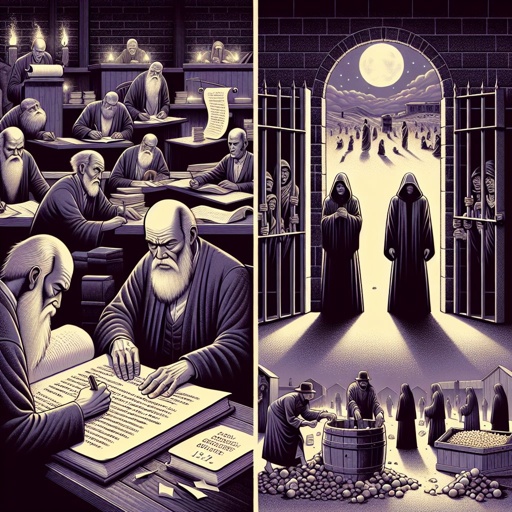
Isaiah 10:1-2 - "Woe to those who decree iniquitous decrees, and the writers who keep writing oppression, to turn aside the needy from justice and to rob the poor of my people of their right, that widows may be their spoil, and that they may make the fatherless their prey!"
"Woe to those who decree iniquitous decrees, and the writers who keep writing oppression, to turn aside the needy from justice and to rob the poor of my people of their right, that widows may be their spoil, and that they may make the fatherless their prey!" - Isaiah 10:1-2

Isaiah 10:1 - "Woe unto them that decree unrighteous decrees, and that write grievousness which they have prescribed;"
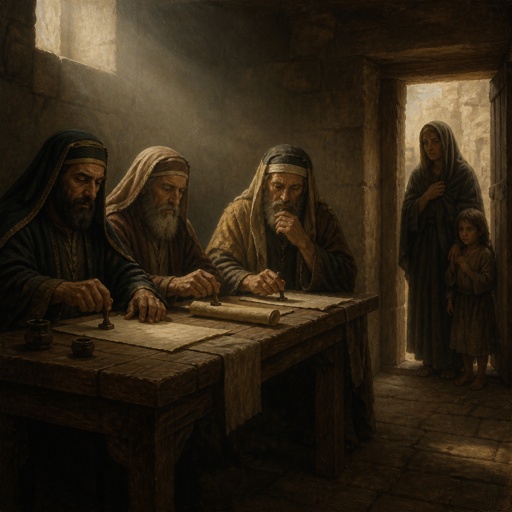
"Woe unto them that decree unrighteous decrees, and that write grievousness which they have prescribed;" - Isaiah 10:1

Isaiah 41:10

Isaiah 41:10

Isaiah 41:10

Isaiah 6 chapter 1 to 10

Isaiah 2:10 - "¶ Enter into the rock, and hide thee in the dust, for fear of the LORD, and for the glory of his majesty."

Isaiah 2:1 - "The word that Isaiah the son of Amoz saw concerning Judah and Jerusalem."

Isaiah 66:1-2

Isaiah 43:2

Isaiah 12:2

Isaiah 66:1-2

Isaiah 57:1-2

Isaiah 1:10 - "¶ Hear the word of the LORD, ye rulers of Sodom; give ear unto the law of our God, ye people of Gomorrah."

Isaiah 10:2 - "To turn aside the needy from judgment, and to take away the right from the poor of my people, that widows may be their prey, and that they may rob the fatherless!"

Ephesians 2-10

Isaiah 53:2-3 depiction of Jesus Christ

"The word that Isaiah the son of Amoz saw concerning Judah and Jerusalem." - Isaiah 2:1

isaiah 41:10

isaiah 41:10

isaiah 41:10

isaiah 41:10

isaiah 41:10

isaiah 41:10

isaiah 41:10

isaiah 41:10
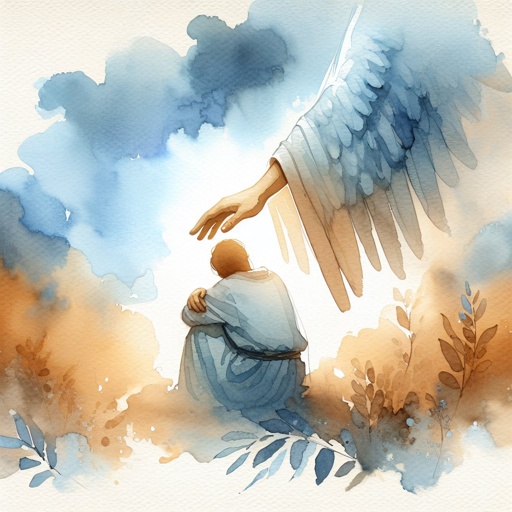
isaiah 41:10

isaiah 41:10