What does Isaiah 10:3 mean?
“And what will ye do in the day of visitation, and in the desolation which shall come from far? to whom will ye flee for help? and where will ye leave your glory?” — Isaiah 10:3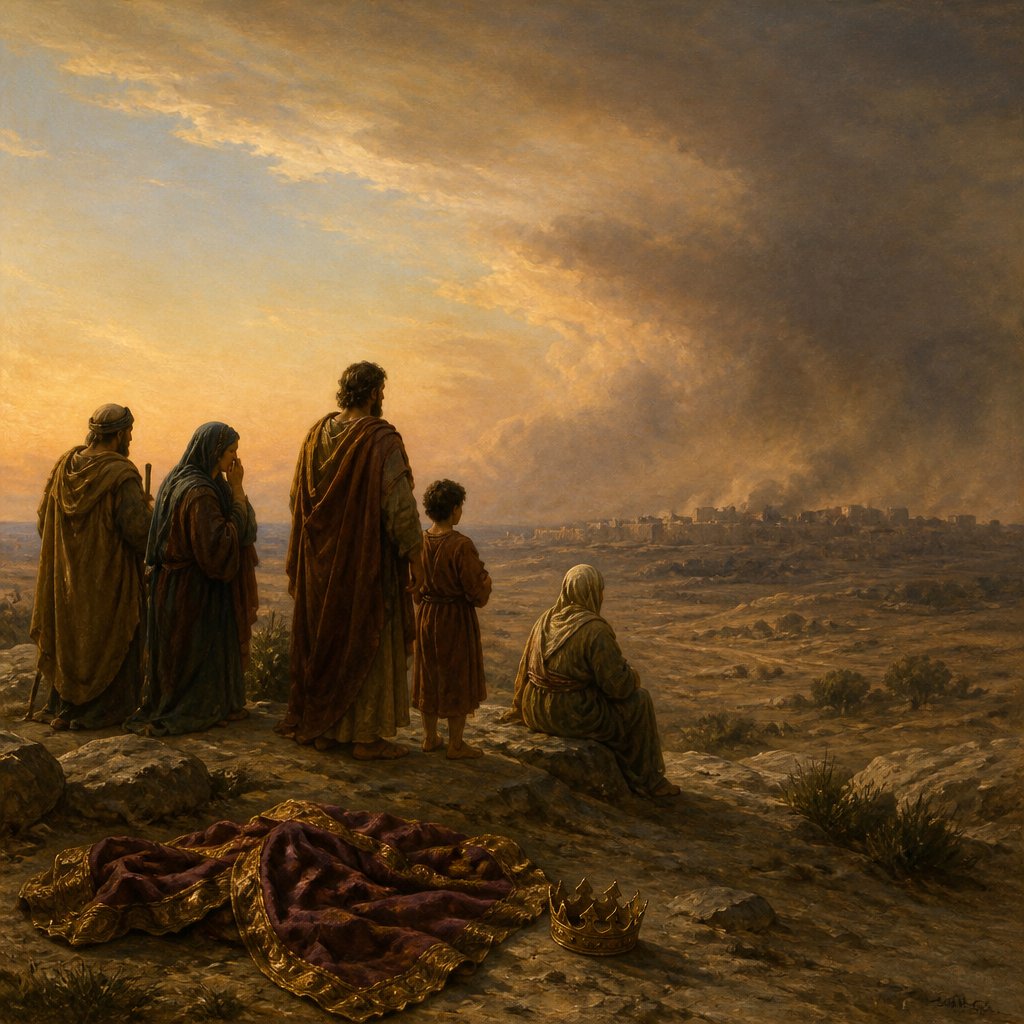
Isaiah 10:3 in the King James Version of the Bible states, "And what will ye do in the day of visitation, and in the desolation which shall come from far? to whom will ye flee for help? and where will ye leave your glory?" This verse is a part of a larger passage where the prophet Isaiah is delivering a message from God to the people of Judah. In this particular verse, Isaiah is warning the people of the consequences of their wrongdoing and the impending judgment that will come upon them if they do not repent and turn back to God.
The verse begins with a rhetorical question, "And what will ye do in the day of visitation?" This question is a call to introspection for the people of Judah. It prompts them to consider their actions and the state of their hearts in light of their upcoming judgment. The "day of visitation" refers to the time when God will come to judge and bring retribution for the sins of the people. This visitation is not one of mercy and grace, but rather one of righteous judgment.
The verse continues with a warning of "the desolation which shall come from far." This desolation refers to the destruction and devastation that will come upon the people as a result of their disobedience and rebellion against God. It is described as coming from far, indicating that the judgment will be severe and widespread, affecting all aspects of the people's lives.
The next question posed in the verse is, "to whom will ye flee for help?" This question highlights the futility of seeking help from sources other than God. The people of Judah are being challenged to consider where they will turn for deliverance in the face of the impending judgment. It serves as a reminder that true and lasting help can only come from God, and that seeking refuge in any other source will ultimately prove to be in vain.
The final question in the verse is, "and where will ye leave your glory?" This question serves to remind the people of Judah of the futility of placing their trust in their own accomplishments, wealth, and status. In the face of the impending judgment, their earthly glory will be of no avail. The verse challenges them to consider where they will ultimately leave their hope and trust, pointing them back to God as the only true source of glory and salvation.
Overall, Isaiah 10:3 is a powerful warning to the people of Judah regarding the consequences of their disobedience and the impending judgment that will come upon them. It serves as a call to repentance and a reminder of the futility of seeking help and glory apart from God. The themes of judgment, repentance, and the sovereignty of God are prevalent throughout this verse, and it serves as a powerful reminder to all believers of the importance of aligning our hearts and actions with God's will.
In the larger context of the book of Isaiah, this verse is part of a series of warnings and prophecies regarding the judgment that will come upon the nation of Judah due to their sin and unfaithfulness. Throughout the book, Isaiah acts as a messenger of God, calling the people to repentance and warning them of the consequences of their actions. The message is one of both judgment and hope, as it is ultimately a call to return to God and seek His forgiveness and restoration.
Symbolically, this verse can be understood as a reminder of the fleeting nature of earthly security and the ultimate futility of seeking help and glory apart from God. It serves as a call to re-evaluate our priorities and allegiances, and to place our trust in God alone. The desolation and impending judgment mentioned in the verse can also be seen as a representation of the consequences of sin and the need for repentance and reconciliation with God.
In conclusion, Isaiah 10:3 is a powerful and convicting verse that serves as a reminder of the consequences of disobedience and the futility of seeking help and glory apart from God. It challenges us to consider where we place our trust and where we seek our deliverance, ultimately pointing us back to God as the only true source of hope and salvation. As believers, this verse calls us to examine our hearts and align our lives with God's will, seeking His forgiveness and restoration.
Get our apps


Artwork for Isaiah 10:3

Isaiah 10:3 - "And what will ye do in the day of visitation, and in the desolation which shall come from far? to whom will ye flee for help? and where will ye leave your glory?"
"And what will ye do in the day of visitation, and in the desolation which shall come from far? to whom will ye flee for help? and where will ye leave your glory?" - Isaiah 10:3

Isaiah 3:10 - "Say ye to the righteous, that it shall be well with him: for they shall eat the fruit of their doings."

Isaiah 3:10-11 - "Tell the righteous it will be well with them, for they will enjoy the fruit of their deeds. Woe to the wicked! Disaster is upon them! They will be paid back for what their hands have done."
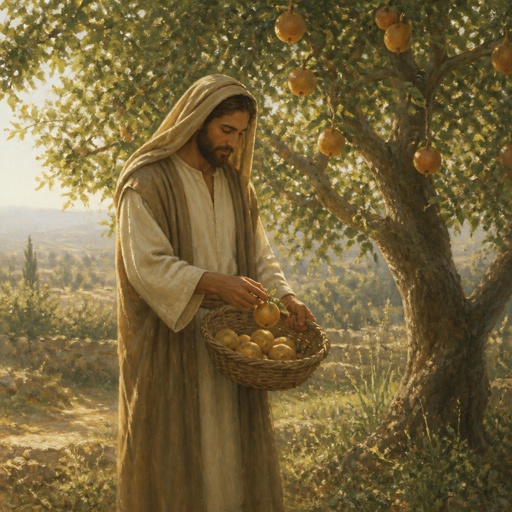
"Say ye to the righteous, that it shall be well with him: for they shall eat the fruit of their doings." - Isaiah 3:10

isaiah 41:10

isaiah 41:10

isaiah 41:10

isaiah 41:10

isaiah 41:10

isaiah 41:10

isaiah 41:10

isaiah 41:10
isaiah 41:10

isaiah 41:10

isaiah 41:10

isaiah 41:10

isaiah 41:10

isaiah 41:10

isaiah 41:10

isaiah 41:10

isaiah 41:10

isaiah 41:10

isaiah 41:10

isaiah 41:10

isaiah 41:10

isaiah 41:10

isaiah 41:10

Isaiah 41:10

Isaiah 40:10