What does Isaiah 12:1 mean?
"And in that day thou shalt say, O LORD, I will praise thee: though thou wast angry with me, thine anger is turned away, and thou comfortedst me." - Isaiah 12:1

Isaiah 12:1 in the King James Version of the Bible reads, "And in that day thou shalt say, O LORD, I will praise thee: though thou wast angry with me, thine anger is turned away, and thou comforted me."
This verse is situated within the book of Isaiah, a major prophet of the Old Testament, which contains prophecies, warnings, and visions from God. Isaiah was a prophet during a time of great political unrest and moral decay in the land of Judah, and he warned the nation of impending destruction and exile if they did not turn back to God. The book is divided into two main sections: chapters 1-39 focus on Isaiah's warnings of judgment, while chapters 40-66 offer comfort and hope for the future.
Isaiah 12:1 is found in the latter section of the book, and it is a declaration of praise and thanksgiving to the Lord for His mercy and grace. The verse speaks to the believer's response to the Lord's deliverance and redemption, and it offers insight into the themes of repentance, forgiveness, and restoration.
The verse begins with the phrase "And in that day," which refers to a future time of rejoicing and deliverance for God's people. This phrase is often used in the Old Testament to denote a time of blessing and restoration when the Lord will act on behalf of His people. In this context, the prophet Isaiah is looking forward to a time when God's anger will be turned away and replaced with His comfort and favor.
The verse then addresses the individual believer, instructing them to say, "O LORD, I will praise thee." This is a declaration of faith and trust in God, acknowledging His sovereignty and goodness. It is a response to the Lord's deliverance and grace, and it reflects the believer's desire to offer praise and thanksgiving for His mercy and faithfulness.
The next part of the verse acknowledges God's previous anger and the believer's experience of His judgment. It says, "though thou wast angry with me, thine anger is turned away." This is a recognition of the consequences of sin and the reality of God's righteous judgment. It speaks to the believer's acknowledgement of their own guilt and the need for repentance. However, it also conveys the assurance of God's forgiveness and reconciliation, as His anger is turned away.
Finally, the verse concludes with the promise of God's comfort and encouragement. It says, "and thou comforted me," emphasizing the transformative power of God's grace and His ability to bring healing and restoration to His people. This points to the theme of God's faithfulness and His ability to bring about redemption and renewal, even in the midst of judgment and suffering.
Symbolically, Isaiah 12:1 conveys the journey of the believer from repentance and acknowledgment of sin to forgiveness, restoration, and praise. It speaks to the cyclical nature of the believer's relationship with God, moving from times of spiritual struggle and judgment to seasons of comfort and joy. It reflects the believer's ongoing need for God's mercy and grace, as well as the assurance of His love and faithfulness.
In broader context, Isaiah 12:1 is a part of the larger message of hope and restoration found throughout the book of Isaiah. It points to the ultimate fulfillment of God's promises in the coming of the Messiah, who will bring about the redemption and salvation of God's people. It speaks to the universal theme of God's faithfulness and His desire to bring about healing and renewal for His creation.
In conclusion, Isaiah 12:1 is a powerful declaration of praise and thanksgiving to the Lord for His mercy and grace. It offers insight into the themes of repentance, forgiveness, and restoration, as well as the believer's response to God's deliverance and redemption. It conveys the transformative power of God's love and His ability to bring about renewal and joy in the lives of His people.
Have questions about Isaiah 12:1?
Dive deeper into this scripture with Bible Chat — an AI-powered tool for exploring God's Word through conversation. Ask questions, get context, and grow in your understanding of the Bible.
Get Our Apps


Isaiah 12:1 Artwork

Isaiah 12:1 - "And in that day thou shalt say, O LORD, I will praise thee: though thou wast angry with me, thine anger is turned away, and thou comfortedst me."

"And in that day thou shalt say, O LORD, I will praise thee: though thou wast angry with me, thine anger is turned away, and thou comfortedst me." - Isaiah 12:1

Isaiah 12:2

Isaiah 58: 1-12

Isaiah 1:12 - "When ye come to appear before me, who hath required this at your hand, to tread my courts?"

Isaiah 14:12

Isaiah 12:3
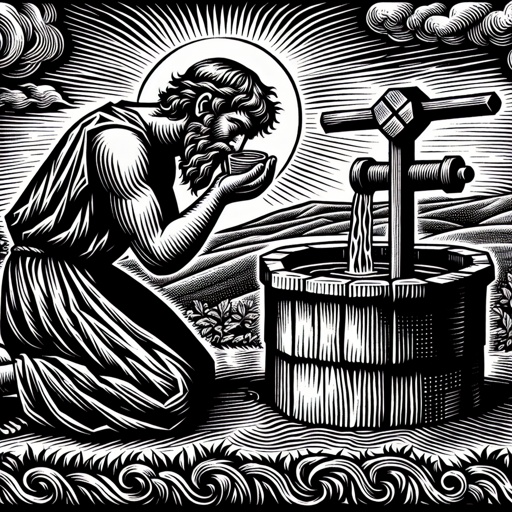
Isaiah 12:3

Isaiah 12:6

Isaiah 12:6

Isaiah 29:12

Isaiah 12:3

Isaiah 12:3

Isaiah 12:3

Isaiah 12:3

Isaiah 12:3

Isaiah 12:3

Isaiah 28:12

Isaiah 28:12

Isaiah 12:3

Isaiah 12:3

Isaiah 12:3

Isaiah 12:3

Isaiah 12:3

Isaiah 12:3

Isaiah 12:3

Isaiah 12:3
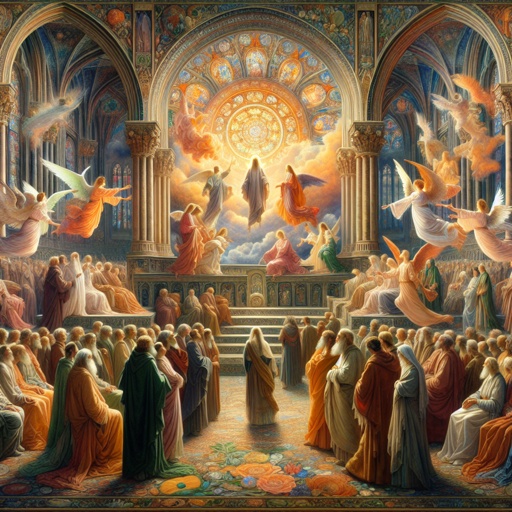
Isaiah 12:3

Isaiah 12:3

Isaiah 12:3