What does Isaiah 13:12 mean?
“I will make a man more precious than fine gold; even a man than the golden wedge of Ophir.” — Isaiah 13:12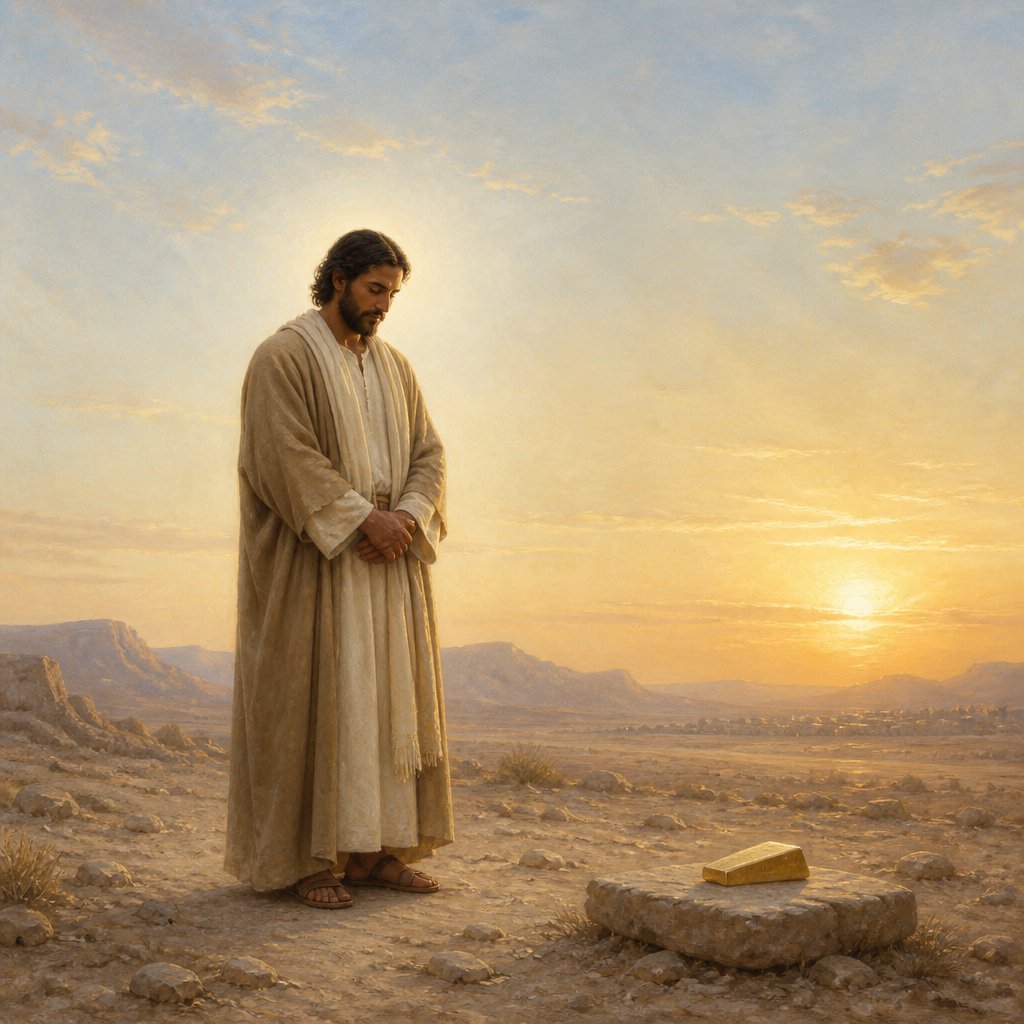
Isaiah 13:12 in the King James Version of the Bible reads: "I will make a man more precious than fine gold; even a man than the golden wedge of Ophir."
This verse can be found in the book of Isaiah, which is one of the Major Prophets in the Old Testament. Written by the prophet Isaiah, this book addresses the Southern Kingdom of Judah during a time of moral and spiritual corruption. The prophet warns of the impending judgment and destruction that will come upon them if they do not repent and turn back to God.
In Isaiah 13, the prophet describes the judgment that will come upon the Babylonians, who have acted wickedly and oppressed God's people. The verse speaks to the value of a man, highlighting their preciousness. This can be understood in a literal and metaphorical sense. In a literal sense, it can be seen as a reminder of the inherent value and worth of human life. In a metaphorical sense, it can be interpreted as a contrast to the wealth and riches that the Babylonians sought after, emphasizing the true value of human life over material possessions.
The imagery of gold and the golden wedge of Ophir is used to emphasize the worth and value of a man. Ophir was known for its abundance of gold, making the reference to the golden wedge of Ophir particularly significant. This imagery serves to highlight the preciousness and rarity of a man, comparing him to something highly valuable and sought after.
The themes present in this verse include the value of human life, the contrast between material wealth and spiritual worth, and the impending judgment upon the wicked. It serves as a reminder of the importance of recognizing the worth and dignity of every individual, regardless of their socio-economic status or worldly possessions. It also reminds us not to be swayed by the allure of material wealth, but to focus on the things that truly matter in life.
In a broader context, this verse can also be seen as a reflection of God's perspective on human worth. It reminds us that in the eyes of God, every person is precious and valuable, regardless of their outward appearance or worldly success. This message is consistent with the teachings of Jesus Christ in the New Testament, who emphasized the value of every individual and called for compassion and love towards others.
Symbolically, the verse can be interpreted as a call to recognize the intrinsic value of human life and to prioritize spiritual virtues over material possessions. It can also be seen as a warning to those who seek after worldly wealth and power, emphasizing the fleeting nature of such pursuits in contrast to the timeless worth of a human soul.
Overall, Isaiah 13:12 in the King James Version of the Bible conveys a powerful message about the value of human life and the importance of recognizing the true worth of individuals. It serves as a reminder to focus on the things that truly matter in life and to treat others with the dignity and respect that they deserve. It also highlights the contrast between worldly wealth and spiritual worth, urging us to prioritize the eternal over the temporary.
Get our apps


Artwork for Isaiah 13:12

Isaiah 13:12 - "I will make a man more precious than fine gold; even a man than the golden wedge of Ophir."
"I will make a man more precious than fine gold; even a man than the golden wedge of Ophir." - Isaiah 13:12

Isaiah 13:1 - "The burden of Babylon, which Isaiah the son of Amoz did see."

Isaiah 41:13

isaiah 6:13

Isaiah 14:12

Isaiah 12:3
Isaiah 12:3

Isaiah 12:6

Isaiah 29:12

Isaiah 12:6

Isaiah 12:3

Isaiah 12:3

Isaiah 12:3

Isaiah 12:3

Isaiah 12:3

Isaiah 12:3

Isaiah 12:2

Isaiah 12:3

Isaiah 28:12

Isaiah 28:12

Isaiah 12:3

Isaiah 12:3

Isaiah 12:3

Isaiah 12:3

Isaiah 12:3

Isaiah 12:3

Isaiah 12:3

Isaiah 12:3

Isaiah 12:3