What does Isaiah 13:14 mean?
“And it shall be as the chased roe, and as a sheep that no man taketh up: they shall every man turn to his own people, and flee every one into his own land.” — Isaiah 13:14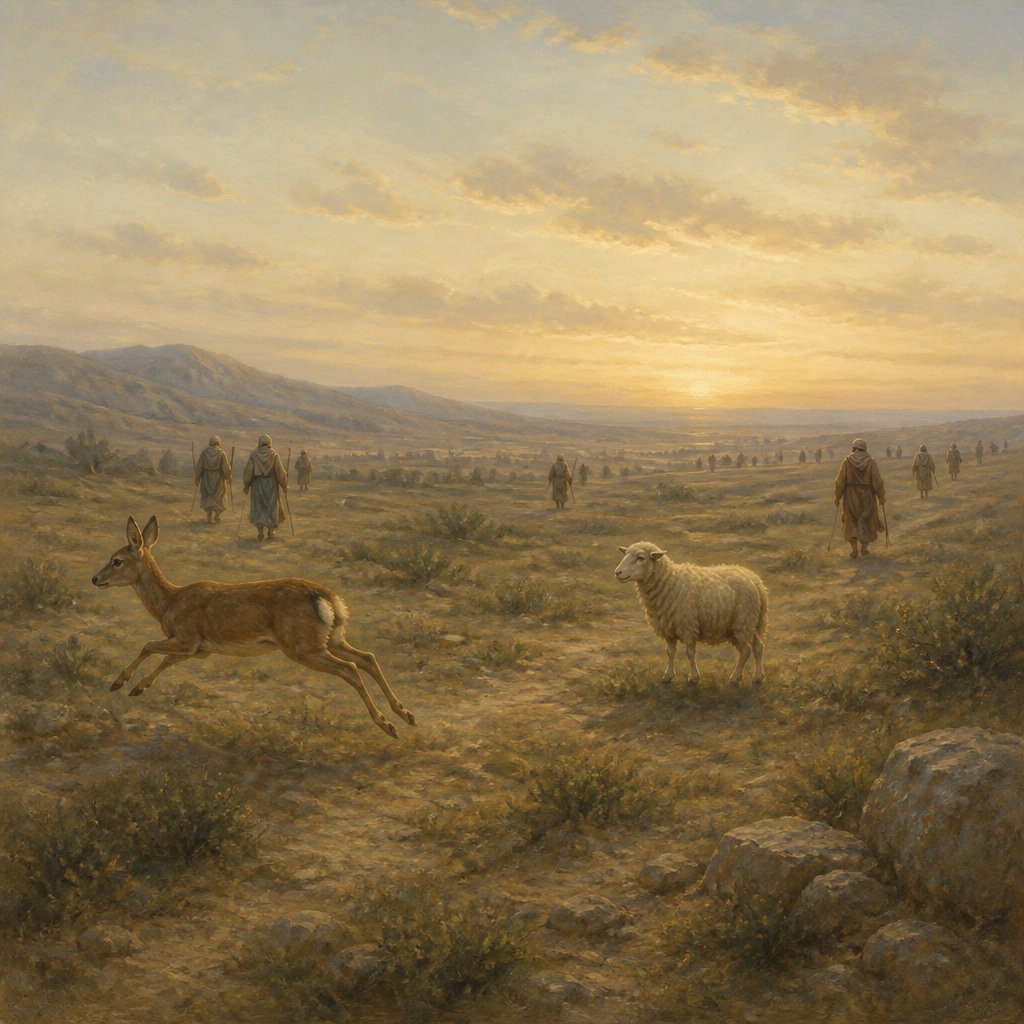
Isaiah 13:14 (KJV) reads: "And it shall be as the chased roe, and as a sheep that no man taketh up: they shall every man turn to his own people, and flee every one into his own land."
The book of Isaiah is a part of the Old Testament, and it is often considered one of the major prophets. The verse of Isaiah 13:14 comes in the context of a prophecy against Babylon. In this chapter, Isaiah foretells the destruction of Babylon and describes the terror and destruction that will befall the city. The verse in question is a part of this overarching prophecy, and it speaks to the disintegration of order and unity, as well as the chaos that will ensue in the face of Babylon's downfall.
At its core, the verse is a reflection of the consequences of the fall of a great city or empire. It compares the people to a chased roe and a sheep that no man taketh up, depicting a scene of panic and disarray. The imagery of a roe being chased evokes a sense of fear and vulnerability, and the comparison to a sheep that no man takes up suggests a lack of protection and care. This conveys the idea that in the face of overwhelming danger and destruction, people will scatter and flee in every direction, seeking refuge and safety in their own land and amongst their own people.
One of the key themes of this verse is its portrayal of the disintegration of societal and communal bonds in the face of calamity. The emphasis on every man turning to his own people and fleeing into his own land highlights the breakdown of unity and solidarity. In times of crisis, people's first instinct is often to prioritize their own survival and the safety of their immediate family and community. This verse serves as a stark reminder of the fragility of human connections and the tenuous nature of social order.
The context of this verse is crucial in understanding its significance. In the larger prophecy against Babylon, Isaiah depicts the apocalyptic destruction and judgment that will befall the city. The fall of Babylon is presented as a culmination of its pride, arrogance, and injustice, and the subsequent chaos and terror that will engulf the people serve as a warning and a testament to the consequences of sin and disobedience.
Symbolically, the chased roe and the sheep represent the vulnerable and defenseless state of the people in the face of overwhelming disaster. The imagery of fleeing into one's own land and turning to one's own people symbolizes the instinctual response to seek safety and shelter in familiar surroundings and among trusted individuals. It points to the primal human desire for security and protection in times of peril.
In a broader sense, the verse can also be seen as a reflection of the universal human experience of seeking refuge and safety in times of adversity. It speaks to the primal instinct to prioritize the well-being of oneself and one's community, and the breakdown of societal unity in the face of existential threat. It serves as a powerful reminder of the transient nature of human civilization and the fragility of human connections in the face of overwhelming cataclysm.
In conclusion, Isaiah 13:14 (KJV) is a powerful and evocative verse that speaks to the disintegration of societal order and communal bonds in the face of calamity. It serves as a stark reminder of the consequences of sin and disobedience, as well as the fragility of human connections and the instinctual drive for survival. Its imagery and symbolism convey a profound and timeless message about the human experience of seeking refuge and safety in times of adversity.
Get our apps


Artwork for Isaiah 13:14
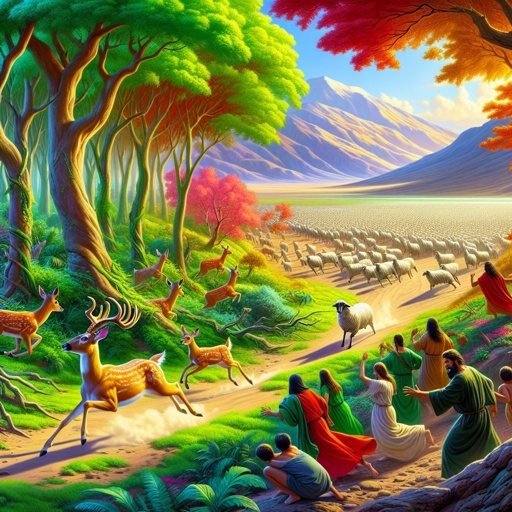
Isaiah 13:14 - "And it shall be as the chased roe, and as a sheep that no man taketh up: they shall every man turn to his own people, and flee every one into his own land."
"And it shall be as the chased roe, and as a sheep that no man taketh up: they shall every man turn to his own people, and flee every one into his own land." - Isaiah 13:14

Isaiah 14:13 - "For thou hast said in thine heart, I will ascend into heaven, I will exalt my throne above the stars of God: I will sit also upon the mount of the congregation, in the sides of the north:"

Isaiah 14:13-14 - "You said in your heart, 'I will ascend to the heavens; I will raise my throne above the stars of God; I will sit enthroned on the mount of assembly, on the utmost heights of Mount Zaphon. I will ascend above the tops of the clouds; I will make myself like the Most High.'"

Isaiah 13:1 - "The burden of Babylon, which Isaiah the son of Amoz did see."

Isaiah 14:12

isaiah 5:14

Isaiah 14:25

Isaiah 14:14 - "I will ascend above the heights of the clouds; I will be like the most High."

Isaiah 41:13

isaiah 6:13
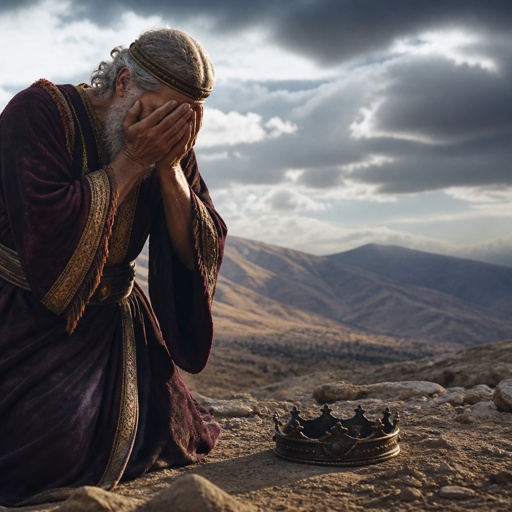
1 Samuel 13:13-14

Isaiah 1:13-14 - "Bring your worthless offerings no longer, incense is an abomination to Me. New moon and sabbath, the calling of assemblies— I cannot endure iniquity and the solemn assembly. I hate your new moon festivals and your appointed feasts, they have become a burden to Me; I am weary of bearing them."

Matthew 7:13-14

Matthew 7:13-14

Matthew 7:13-14

Matthew 7:13-14

Matthew 7:13-14

Matthew 7:13-14

Matthew 7:13-14

Matthew 7:13-14

Matthew 7:13-14

Matthew 7:13-14

Matthew 7:13-14

Isaiah 29:13-14 - "The Lord says: “These people come near to me with their mouth and honor me with their lips, but their hearts are far from me. Their worship of me is based on merely human rules they have been taught. Therefore, once more I will astound these people with wonder upon wonder; the wisdom of the wise will perish, the intelligence of the intelligent will vanish.”"

Isaiah 14:28 - "In the year that king Ahaz died was this burden."

Exodus 14:13

Exodus 14:13

Exodus 14:13

Exodus 14:13