What does Isaiah 14:19 mean?
“But thou art cast out of thy grave like an abominable branch, and as the raiment of those that are slain, thrust through with a sword, that go down to the stones of the pit; as a carcase trodden under feet.” — Isaiah 14:19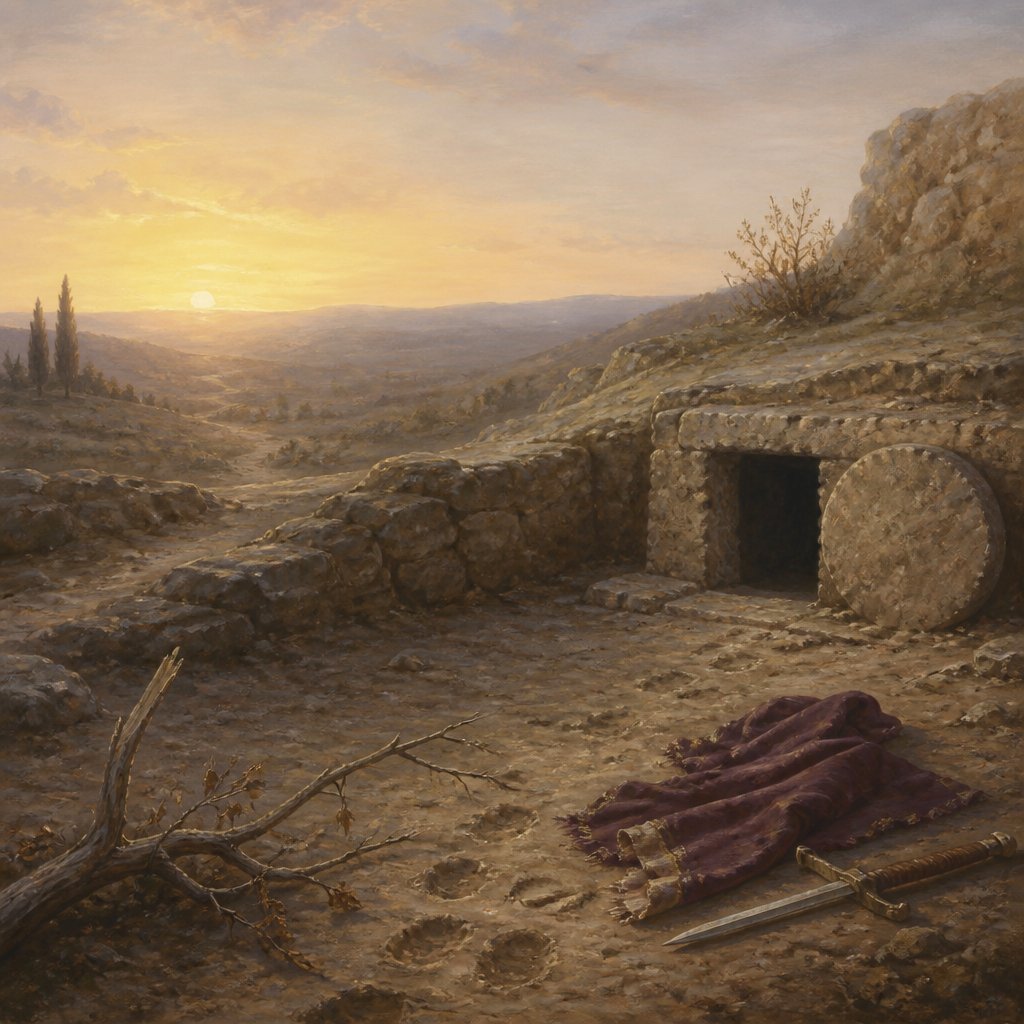
Isaiah 14:19 from the King James Version of the Bible reads, "But thou art cast out of thy grave like an abominable branch, and as the raiment of those that are slain, thrust through with a sword, that go down to the stones of the pit; as a carcase trodden under feet." This verse comes from a larger passage in which the prophet Isaiah is delivering a message of judgment against the king of Babylon. The passage as a whole speaks of the downfall of the arrogant, oppressive ruler and the eventual restoration of God's people.
To fully understand the meaning and commentary of Isaiah 14:19, it is important to first consider the context of the passage. The book of Isaiah contains messages of judgment and hope for both Israel and the surrounding nations. In this particular passage, Isaiah is specifically addressing the downfall of the king of Babylon, who represents a symbol of human pride, power, and oppression.
In verse 19, the language used is vivid and striking. The king of Babylon is described as being cast out of his grave like an abominable branch, which symbolizes the rejection and disdain that he will face after his death. This imagery conveys the idea that the king's legacy will be one of shame and disgrace, rather than honor and respect. Additionally, the reference to being thrust through with a sword and being trodden under feet further emphasizes the king's humiliation and degradation. These descriptions serve to illustrate the severe judgment that awaits the arrogant and oppressive ruler.
The theme of divine judgment is central to this verse and the larger passage as a whole. The king of Babylon is being held accountable for his actions and is facing the consequences of his pride and cruelty. This theme of divine judgment aligns with the broader biblical message of the righteous being rewarded and the wicked being punished. It serves as a reminder that ultimately, God is sovereign and just, and He will not tolerate injustice and oppression.
Symbolism is also present in Isaiah 14:19. The imagery of being cast out of the grave and being compared to a slain carcass emphasizes the king of Babylon's ultimate fate and the insignificance of his power and influence in the face of God's judgment. This symbolism serves as a powerful warning against pride and arrogance, as it highlights the fleeting nature of earthly power and the ultimate accountability to a higher authority.
In addition to the themes of judgment and symbolism, the verse can also be viewed through a theological lens. The message of Isaiah 14:19 aligns with the broader biblical narrative of God's sovereignty and justice. It serves as a reminder of the consequences of pride and oppression, as well as the ultimate hope for restoration and redemption for God's people. It also underscores the importance of humility and righteousness in the eyes of God.
In conclusion, Isaiah 14:19 from the King James Version of the Bible conveys a powerful message of judgment and consequences for the arrogant and oppressive. Through vivid imagery and symbolism, the verse serves as a warning against pride and injustice, while also emphasizing the sovereignty and justice of God. It is a reminder of the ultimate accountability to a higher authority and the hope for restoration and redemption for those who remain faithful.
Get our apps


Artwork for Isaiah 14:19

Isaiah 14:19 - "But thou art cast out of thy grave like an abominable branch, and as the raiment of those that are slain, thrust through with a sword, that go down to the stones of the pit; as a carcase trodden under feet."
"But thou art cast out of thy grave like an abominable branch, and as the raiment of those that are slain, thrust through with a sword, that go down to the stones of the pit; as a carcase trodden under feet." - Isaiah 14:19

Isaiah 19:14 - "The LORD hath mingled a perverse spirit in the midst thereof: and they have caused Egypt to err in every work thereof, as a drunken man staggereth in his vomit."

Isaiah 41, 19

Isaiah 19:8

Isaiah 43:19

Isaiah 19:1

Isaiah 43:19

Isaiah 43:18-19

Isaiah 19:19 - "In that day shall there be an altar to the LORD in the midst of the land of Egypt, and a pillar at the border thereof to the LORD."

Isaiah 14:12

isaiah 5:14

Isaiah 3:19 - "The chains, and the bracelets, and the mufflers,"

Isaiah 43:18-19

Isaiah 14:25

Isaiah 14:14 - "I will ascend above the heights of the clouds; I will be like the most High."

Numbers 19:14-19 Touching a dead is unclean

Genesis 19-14

Psalm 19:14

"The chains, and the bracelets, and the mufflers," - Isaiah 3:19

Isaiah 3:19 - "The chains, and the bracelets, and the mufflers,"

2 Kings 19:5 - "So the servants of king Hezekiah came to Isaiah."

Isaiah 1:19 - "If ye be willing and obedient, ye shall eat the good of the land:"

Isaiah 14:28 - "In the year that king Ahaz died was this burden."
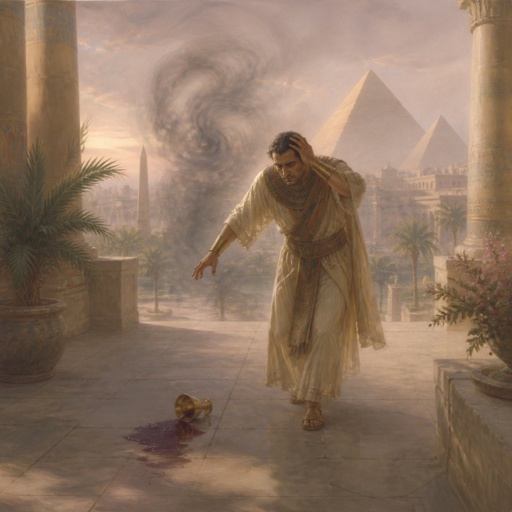
"The LORD hath mingled a perverse spirit in the midst thereof: and they have caused Egypt to err in every work thereof, as a drunken man staggereth in his vomit." - Isaiah 19:14

Isaiah 3:19 - "The chains, and the bracelets, and the mufflers,"

Isaiah 19:9 - "Moreover they that work in fine flax, and they that weave networks, shall be confounded."

Isaiah 19:10 - "And they shall be broken in the purposes thereof, all that make sluices and ponds for fish."

Isaiah 14:7 - "The whole earth is at rest, and is quiet: they break forth into singing."

Isaiah 10:19 - "And the rest of the trees of his forest shall be few, that a child may write them."