What does Isaiah 15:7 mean?
“Therefore the abundance they have gotten, and that which they have laid up, shall they carry away to the brook of the willows.” — Isaiah 15:7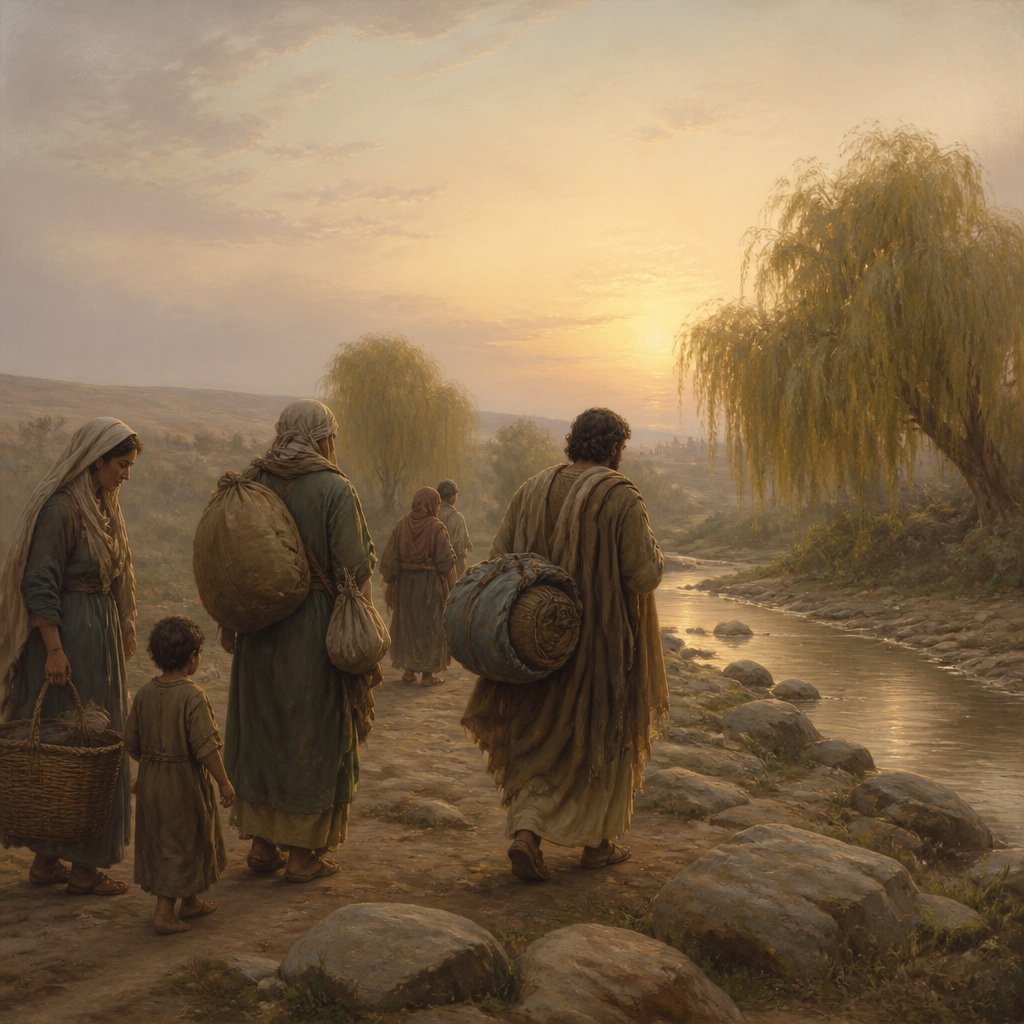
Isaiah 15:7 (KJV) reads, "Therefore the abundance they have gotten, and that which they have laid up, shall they carry away to the brook of the willows." This verse is part of a prophecy in the book of Isaiah, which is attributed to the prophet Isaiah, who lived in the Kingdom of Judah during the eighth century BC. The book of Isaiah contains powerful messages of judgment, salvation, and hope, and its themes have resonated with believers throughout the ages.
In the larger context of Isaiah 15, the prophet is prophesying about the destruction and desolation of Moab, a neighboring nation to Judah. The Moabites were enemies of God's people and had oppressed the Israelites in the past. This prophecy describes the coming judgment and destruction that would befall Moab, a punishment for their pride, idolatry, and mistreatment of God's people.
The verse in question, Isaiah 15:7, presents an image of the Moabites being forced to abandon their wealth and possessions as they flee from the impending disaster. The abundance and riches they had accumulated would become a burden to them as they are forced to leave it behind and carry it to the brook of the willows. This image highlights the futility of trusting in material wealth and the impermanence of earthly treasures in the face of divine judgment.
The brook of the willows is likely a reference to a specific location in Moab, which would have been familiar to the original audience of Isaiah's prophecy. Willows are often associated with mourning and sorrow in the Bible, and in this context, the brook of the willows serves as a symbol of the desolation and devastation that would befall Moab. The image of the Moabites carrying their wealth to the brook of the willows can be seen as a metaphor for their futile attempts to save their possessions in the face of God's judgment.
One of the central themes of this verse is the transitory nature of earthly wealth and the consequences of placing one's trust in material possessions rather than in God. The Moabites had become complacent in their wealth and had put their confidence in their own strength and resources, rather than turning to the Lord for protection and guidance. This verse serves as a warning about the dangers of pride and self-reliance, and it emphasizes the ultimate futility of placing one's trust in worldly riches.
The broader context of Isaiah's prophecy against Moab also underscores the theme of divine judgment and justice. Throughout the book of Isaiah, God is portrayed as a just and righteous judge who brings punishment to the wicked and deliverance to the righteous. The destruction of Moab is presented as a manifestation of God's justice and a fulfillment of his prophetic word.
Furthermore, this verse can be understood as a reflection of the broader biblical theme of the consequences of sin and the necessity of repentance. The Moabites' sins and rebellion against God had brought about their downfall, and this prophecy serves as a call to repentance and an invitation to turn back to the Lord before it is too late.
In conclusion, Isaiah 15:7 conveys a powerful message about the dangers of trusting in earthly wealth and the futility of relying on material possessions. It serves as a warning about the consequences of pride and self-reliance, and it underscores the theme of divine justice and the need for repentance. Though the original context of this prophecy was directed at the nation of Moab, its timeless themes continue to resonate with believers today, serving as a reminder to place our trust in God rather than in the fleeting treasures of this world.
Get our apps


Artwork for Isaiah 15:7

Isaiah 15:7 - "Therefore the abundance they have gotten, and that which they have laid up, shall they carry away to the brook of the willows."
"Therefore the abundance they have gotten, and that which they have laid up, shall they carry away to the brook of the willows." - Isaiah 15:7

Isaiah 7:15 - "Butter and honey shall he eat, that he may know to refuse the evil, and choose the good."
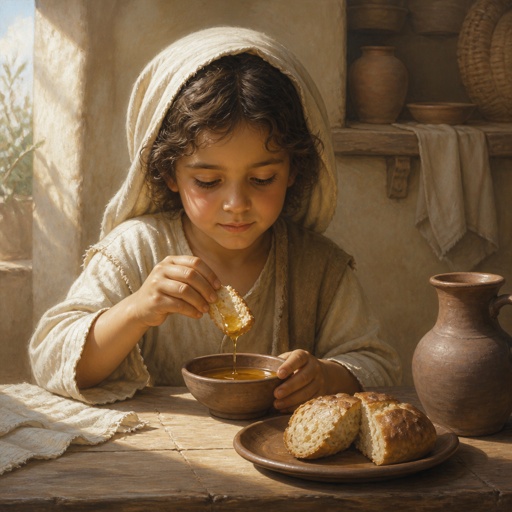
"Butter and honey shall he eat, that he may know to refuse the evil, and choose the good." - Isaiah 7:15

isaiah 6:7

isaiah 6:7

Isaiah 37:15 - "And Hezekiah prayed unto the LORD, saying,"

John 15:7

John 15:7

Isaiah 7:7 - "Thus saith the Lord GOD, It shall not stand, neither shall it come to pass."

Isaiah 50:7–9

Isaiah 49 1-7

Isaiah 6:4-7

Isaiah 2:15 - "And upon every high tower, and upon every fenced wall,"

Isaiah 14:15 - "Yet thou shalt be brought down to hell, to the sides of the pit."

Genesis 15:7

Isaiah 8:15 - "And many among them shall stumble, and fall, and be broken, and be snared, and be taken."

Isaiah 9:15 - "The ancient and honourable, he is the head; and the prophet that teacheth lies, he is the tail."

Isaiah 43:15 - "I am the LORD, your Holy One, the creator of Israel, your King."

Isaiah 45:15 - "Verily thou art a God that hidest thyself, O God of Israel, the Saviour."

Isaiah 14:7 - "The whole earth is at rest, and is quiet: they break forth into singing."

Isaiah 7:10 - "¶ Moreover the LORD spake again unto Ahaz, saying,"

Luke 15: 4-7

Isaiah 15:6 - "For the waters of Nimrim shall be desolate: for the hay is withered away, the grass faileth, there is no green thing."

Isaiah 7:12 - "But Ahaz said, I will not ask, neither will I tempt the LORD."

"And Hezekiah prayed unto the LORD, saying," - Isaiah 37:15

Isaiah 21:15 - "For they fled from the swords, from the drawn sword, and from the bent bow, and from the grievousness of war."

Isaiah 19:15 - "Neither shall there be any work for Egypt, which the head or tail, branch or rush, may do."

Isaiah 24:15 - "Wherefore glorify ye the LORD in the fires, even the name of the LORD God of Israel in the isles of the sea."

Isaiah 7:3 - "Then said the LORD unto Isaiah, Go forth now to meet Ahaz, thou, and Shear-jashub thy son, at the end of the conduit of the upper pool in the highway of the fuller's field;"