What does Isaiah 15:9 mean?
“For the waters of Dimon shall be full of blood: for I will bring more upon Dimon, lions upon him that escapeth of Moab, and upon the remnant of the land.” — Isaiah 15:9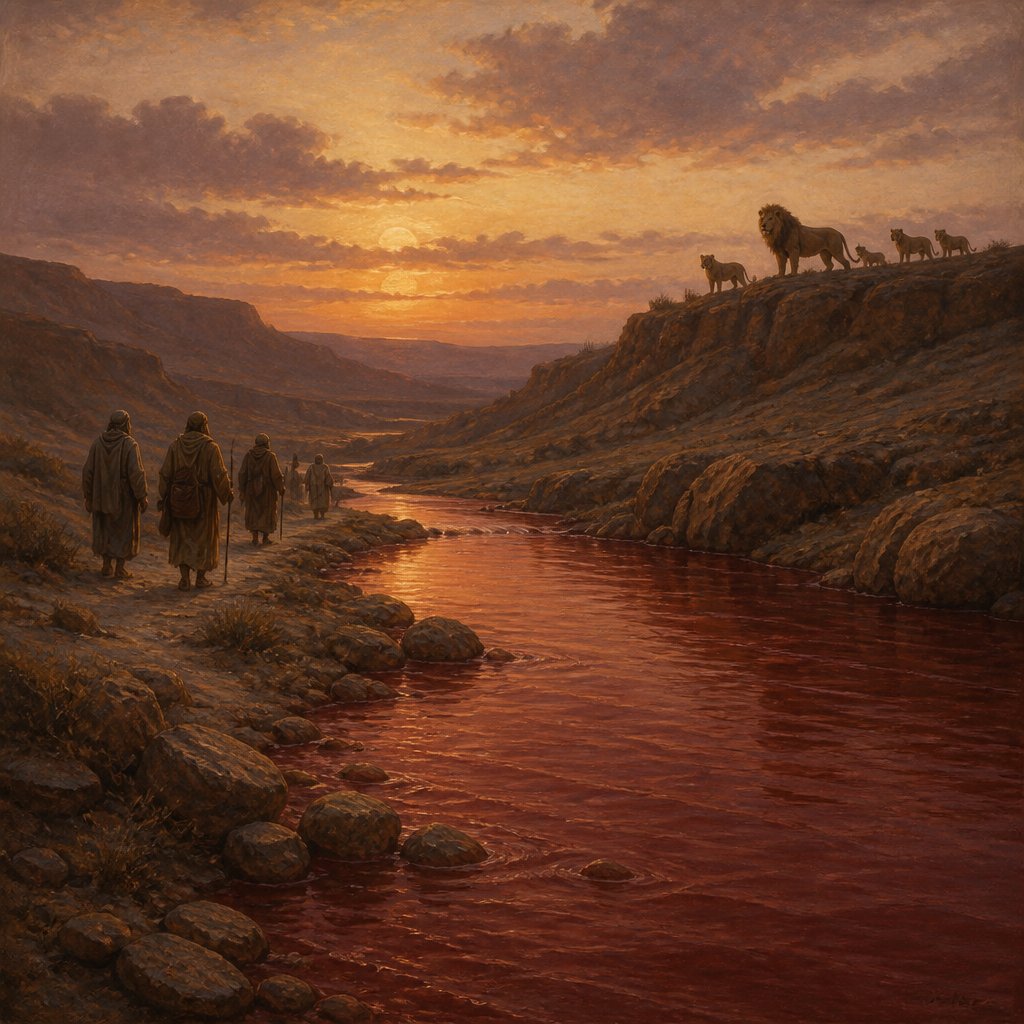
Isaiah 15:9 (KJV) states, "For the waters of Dimon shall be full of blood: for I will bring more upon Dimon, lions upon him that escapeth of Moab, and upon the remnant of the land." This verse is part of the larger passage in the book of Isaiah in the Old Testament, which addresses the judgment and destruction of Moab, a neighboring kingdom of Israel. This verse specifically describes the consequences that the people of Dimon, a city in Moab, will face as a result of their actions.
The overall theme of this verse and the surrounding passage is one of divine judgment and punishment. The prophet Isaiah is delivering a message from God to the people of Moab, warning them of the impending destruction and devastation that will come upon them as a result of their disobedience and rebellion against God. Throughout the passage, the emphasis is on the consequences of Moab's sin and the justice that will be served by God. The use of imagery and symbolism in the language serves to drive home the severity and inevitability of the judgment that Moab will face.
The specific mention of the "waters of Dimon" being "full of blood" is a vivid and graphic depiction of the violence and bloodshed that will come upon the city. This imagery of blood-filled waters conveys the idea of widespread death and destruction, as well as the pollution and defilement of the land. It serves as a powerful and disturbing symbol of the consequences of Moab's wickedness and the severity of God's judgment.
The mention of "lions upon him that escapeth of Moab" further reinforces the theme of punishment and the inability to escape the judgment of God. The image of lions, which are often used in the Bible as symbols of power, strength, and destruction, conveys the idea that even those who manage to survive or escape the initial devastation will not be able to evade the consequences of their actions. This serves as a sobering reminder that there is no fleeing from the ultimate justice of God.
Furthermore, the reference to "the remnant of the land" emphasizes the thoroughness of the judgment that will be brought upon Moab. Even those who are left behind or survive the initial destruction will not be spared from the ongoing consequences of their sin. This additional detail serves to drive home the inevitability and completeness of God's judgment, leaving no room for escape or hope of reprieve.
In the broader context of the book of Isaiah, this passage is part of a larger theme of judgment and restoration. Throughout the book, Isaiah prophesies about the consequences of sin and rebellion, but also holds out the hope of redemption and restoration for those who repent and turn back to God. While the message to Moab is one of impending destruction, it also serves as a warning to all people about the consequences of turning away from God and the need for repentance and obedience.
In conclusion, Isaiah 15:9 (KJV) is a powerful and sobering warning about the consequences of sin and disobedience. The vivid imagery and symbolism used in this verse serve to convey the severity and inevitability of God's judgment upon the people of Moab. It reminds us of the importance of obedience and the reality of divine justice, while also pointing towards the hope of redemption and restoration for those who turn back to God.
Get our apps


Artwork for Isaiah 15:9

Isaiah 15:9 - "For the waters of Dimon shall be full of blood: for I will bring more upon Dimon, lions upon him that escapeth of Moab, and upon the remnant of the land."
"For the waters of Dimon shall be full of blood: for I will bring more upon Dimon, lions upon him that escapeth of Moab, and upon the remnant of the land." - Isaiah 15:9

Isaiah 9:15 - "The ancient and honourable, he is the head; and the prophet that teacheth lies, he is the tail."
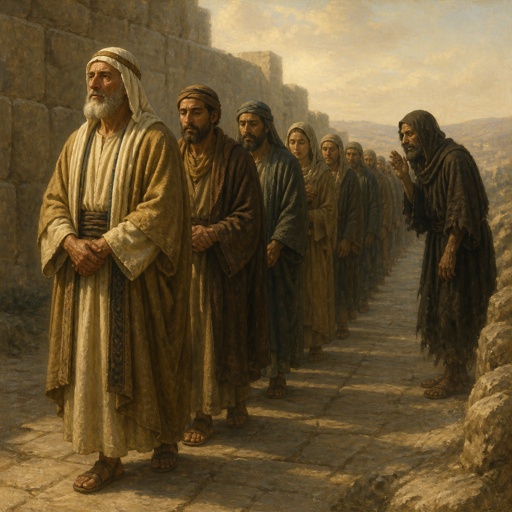
"The ancient and honourable, he is the head; and the prophet that teacheth lies, he is the tail." - Isaiah 9:15

Isaiah 9:6

Isaiah 9:6

Isaiah 9:6

Isaiah 9:6

Isaiah 37:15 - "And Hezekiah prayed unto the LORD, saying,"

Isaiah 11:1-9

Isaiah 50:7–9

Isaiah 11:1-9

Isaiah 9:1-4

Isaiah 11:1-9

Isaiah 9:9 - "And all the people shall know, even Ephraim and the inhabitant of Samaria, that say in the pride and stoutness of heart,"
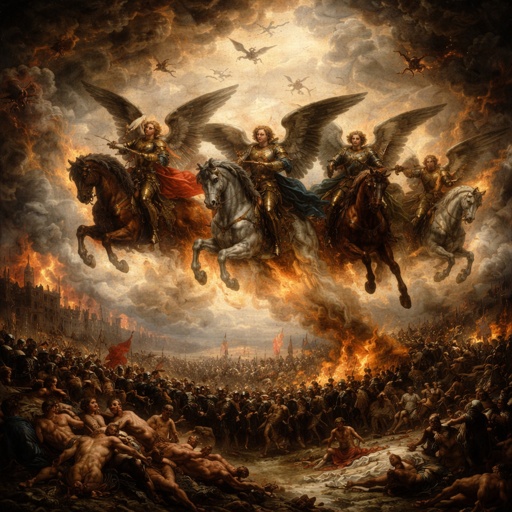
Rev 9:15

Genesis 15:9

Isaiah 2:15 - "And upon every high tower, and upon every fenced wall,"

Isaiah 14:15 - "Yet thou shalt be brought down to hell, to the sides of the pit."

Isaiah 10:9 - "Is not Calno as Carchemish? is not Hamath as Arpad? is not Samaria as Damascus?"

Judges 9:8-15

Isaiah 8:15 - "And many among them shall stumble, and fall, and be broken, and be snared, and be taken."

John 15:9-10

John 15:9-10

Ezra 9:13-15

Isaiah 43:15 - "I am the LORD, your Holy One, the creator of Israel, your King."

Isaiah 45:15 - "Verily thou art a God that hidest thyself, O God of Israel, the Saviour."

Isaiah 30:9 - "That this is a rebellious people, lying children, children that will not hear the law of the LORD:"

Isaiah 9:16 - "For the leaders of this people cause them to err; and they that are led of them are destroyed."

Isaiah 19:9 - "Moreover they that work in fine flax, and they that weave networks, shall be confounded."