What does Isaiah 1:1 mean?
“The vision of Isaiah the son of Amoz, which he saw concerning Judah and Jerusalem in the days of Uzziah, Jotham, Ahaz, and Hezekiah, kings of Judah.” — Isaiah 1:1
The verse Isaiah 1:1 from the King James Version of the Bible states, "The vision of Isaiah the son of Amoz, which he saw concerning Judah and Jerusalem in the days of Uzziah, Jotham, Ahaz, and Hezekiah, kings of Judah." This verse serves as the opening to the Book of Isaiah in the Old Testament and introduces the prophetic message of Isaiah, who was a prominent figure in the history of Israel.
Isaiah was a prophet who lived in the 8th century BC during a time of great political instability and moral decay in the kingdom of Judah. His ministry took place during the reigns of four different kings, spanning over several decades. The verse sets the historical and political context for the prophecies that follow, as it mentions the specific kings of Judah who were in power during Isaiah's ministry. By including this historical detail, the verse emphasizes the real-life setting in which Isaiah's visions and prophecies were received, grounding his message in a specific time and place.
The Book of Isaiah is a complex and multifaceted work that addresses a variety of themes and theological concepts. One of the central themes of the book is the idea of judgment and redemption. Isaiah prophesies about the impending judgment of God upon the nation of Judah for their sins and disobedience. He warns of the consequences of their actions and calls for repentance and a return to righteousness. However, alongside the messages of judgment, Isaiah also offers hope and assurance of God's faithfulness. He speaks of a future restoration and redemption for the people of Israel, portraying God as a compassionate and merciful savior.
Another important theme in the Book of Isaiah is the concept of the "remnant." Throughout his prophecies, Isaiah refers to a "remnant" that will be preserved by God as a sign of His grace and faithfulness. This remnant will consist of those who remain faithful to God and His covenant, despite the widespread spiritual and moral decline of the nation. Isaiah's emphasis on the remnant serves as a message of hope and encouragement to those who are striving to remain faithful in the midst of adversity.
In addition to its historical and thematic significance, Isaiah 1:1 also holds symbolic and spiritual meaning. The mention of "the vision of Isaiah" indicates that the following prophecies are not merely the words of a human prophet, but rather divine messages inspired by God. The use of the term "vision" suggests a supernatural revelation from God, highlighting the spiritual authority and authenticity of Isaiah's words.
Furthermore, the reference to Judah and Jerusalem in the verse signifies the broader implications of Isaiah's prophecies for the entire nation of Israel. His message is not limited to a specific geographical area or time period, but rather it encompasses the collective destiny of God's chosen people. The mention of the kings of Judah also serves as a reminder of the political and spiritual leadership that was in place during Isaiah's ministry, underscoring the responsibility of those in positions of authority to uphold God's covenant and lead the nation in righteousness.
Overall, Isaiah 1:1 serves as a profound introduction to the prophetic ministry of Isaiah, setting the stage for the weighty messages of judgment, redemption, and hope that are to follow in the subsequent chapters of the book. It establishes the historical context, themes, and spiritual significance of Isaiah's prophecies, positioning them as a timeless and relevant expression of God's truth for His people.
Get our apps


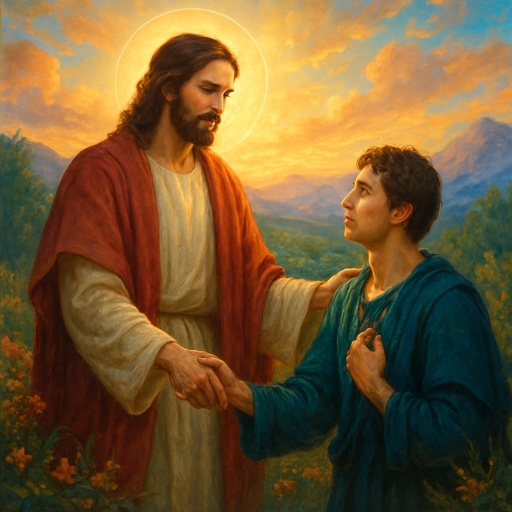
Artwork for Isaiah 1:1

Isaiah 1:1 - "The vision of Isaiah the son of Amoz, which he saw concerning Judah and Jerusalem in the days of Uzziah, Jotham, Ahaz, and Hezekiah, kings of Judah."

"The vision of Isaiah the son of Amoz, which he saw concerning Judah and Jerusalem in the days of Uzziah, Jotham, Ahaz, and Hezekiah, kings of Judah." - Isaiah 1:1

Isaiah 60:1

Isaiah 66:1-2

Isaiah 11:1

Isaiah 6:1-5

Isaiah 6:1-5

Isaiah 41

Isaiah 6:1-5

Isaiah 6:1-5

Isaiah 48

Isaiah 2:1 - "The word that Isaiah the son of Amoz saw concerning Judah and Jerusalem."

Isaiah 13:1 - "The burden of Babylon, which Isaiah the son of Amoz did see."

Isiah 61:1-3 Isaiah 61:1-3

Isaiah 48

Isaiah 48

Isaiah 48:5

Isaiah 41:10

Isaiah 12:2

Isaiah 64:8

Isaiah 43:2

Isaiah 40:4

Isaiah 24:1

Isaiah 24:1

isaiah 43:1

isaiah 53 1

Isaiah 6:1

Isaiah 66:1

Isaiah 56:3-5
Isaiah 41:10