What does Isaiah 26:15 mean?
“Thou hast increased the nation, O LORD, thou hast increased the nation: thou art glorified: thou hadst removed it far unto all the ends of the earth.” — Isaiah 26:15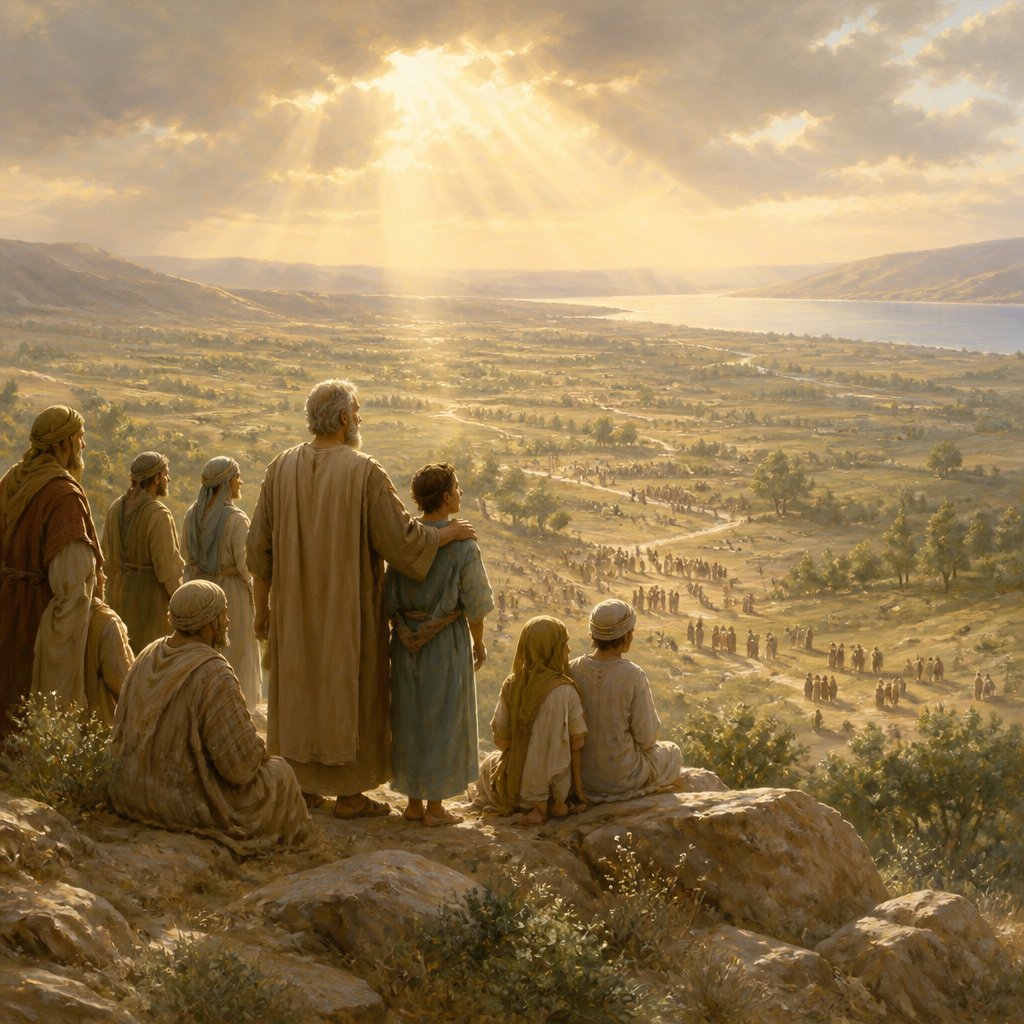
Isaiah 26:15 (KJV) states, "Thou hast increased the nation, O Lord, thou hast increased the nation: thou art glorified: thou hadst removed it far unto all the ends of the earth." This verse is from the Book of Isaiah in the Old Testament and is a part of a larger passage that celebrates the deliverance and salvation of God's people. As we delve into this verse, we can uncover its deeper meaning, context, and the themes of God's sovereignty, mercy, and redemption.
First and foremost, it is important to understand the context in which this verse is situated. The Book of Isaiah was written during a time of great turmoil for the nation of Israel. They were facing the threat of invasion, political unrest, and the impending exile to Babylon. Isaiah, the prophet, was chosen by God to deliver messages of warning, judgment, and hope to the people. The overarching theme of the book is the promise of redemption and salvation through the coming of the Messiah.
In Isaiah 26:15, the prophet exults in the faithfulness and sovereignty of God. The repetition of the phrase "thou hast increased the nation" emphasizes the miraculous growth and expansion of God's chosen people. Despite the trials and tribulations they faced, God had not only sustained them but had also multiplied their numbers. This can be seen as a testament to God's provision and protection over his people. It serves as a reminder that the nation's prosperity and growth were not due to their own strength or wisdom, but rather the result of God's grace and intervention.
The next part of the verse, "thou art glorified: thou hadst removed it far unto all the ends of the earth," speaks to the exaltation of God and the manifestation of his glory throughout the world. This reflects the universal scope of God's dominion and authority. The phrase "removed it far unto all the ends of the earth" suggests that God's influence and power extend far beyond the borders of Israel. It is a declaration of his omnipotence and omnipresence, highlighting that no nation or people can escape his reach.
Symbolically, this verse can also be interpreted as a prefiguration of the expansion of the Gospel message to all nations. Through the incarnation, death, and resurrection of Jesus Christ, the promise of salvation was extended to people of every tribe, tongue, and nation. This fulfillment of God's redemptive plan demonstrates his unrelenting love and mercy for all of humanity.
The themes of God's sovereignty, mercy, and redemption are prevalent throughout the entire Book of Isaiah, and this verse is no exception. It serves as a poetic expression of praise and thanksgiving for the faithfulness of God. It also points to the ultimate fulfillment of his promise to bless all the nations of the earth through the coming of the Messiah.
In conclusion, Isaiah 26:15 is a powerful declaration of God's providence and exaltation. It encapsulates the enduring themes of the Book of Isaiah and reinforces the message of hope and restoration for God's people. As believers, we can take comfort in the assurance that God's plans and purposes will ultimately prevail, and that his glory will be proclaimed to the ends of the earth. This verse serves as a reminder of our dependence on God and the unfailing nature of his promises.
Get our apps


Artwork for Isaiah 26:15

Isa 26:15

Isaiah 26:15 - "Thou hast increased the nation, O LORD, thou hast increased the nation: thou art glorified: thou hadst removed it far unto all the ends of the earth."

Issaih 26:15 showing the extent of the earth with people upon it
"Thou hast increased the nation, O LORD, thou hast increased the nation: thou art glorified: thou hadst removed it far unto all the ends of the earth." - Isaiah 26:15

Isaiah 40:26

isaiah 40:26

Isaiah 26:3

Matthew 26:15

Matthew 26:15

Joshua 15:26 - "Amam, and Shema, and Moladah,"

John 15:26 NLT

Isaiah 26:4 - "Trust ye in the LORD for ever: for in the LORD JEHOVAH is everlasting strength:"

1 Corinthians 15:26 - "The last enemy that shall be destroyed is death."

Isaiah 26:6 - "The foot shall tread it down, even the feet of the poor, and the steps of the needy."

Isaiah 28:26 - "For his God doth instruct him to discretion, and doth teach him."

Isaiah 26:2 - "Open ye the gates, that the righteous nation which keepeth the truth may enter in."

Isaiah 26:7 - "The way of the just is uprightness: thou, most upright, dost weigh the path of the just."

Mark 15:26 - "And the superscription of his accusation was written over, THE KING OF THE JEWS."

"Amam, and Shema, and Moladah," - Joshua 15:26

Isaiah 14:26 - "This is the purpose that is purposed upon the whole earth: and this is the hand that is stretched out upon all the nations."

Isaiah 37:15 - "And Hezekiah prayed unto the LORD, saying,"

Proverbs 15:26 - "The thoughts of the wicked are an abomination to the LORD: but the words of the pure are pleasant words."

1 Chronicles 26:15 - "To Obed-edom southward; and to his sons the house of Asuppim."

Luke 15:26 - "And he called one of the servants, and asked what these things meant."
![Trust ye in the LORD for ever: for in the LORD JEHOVAH [is] everlasting strength:
Isaiah 26:4](https://media.bible.art/5df9050f-b51f-4005-b24a-3180adaa91b6-thumbnail.jpg)
Trust ye in the LORD for ever: for in the LORD JEHOVAH [is] everlasting strength: Isaiah 26:4

Matthew 15:26 - "But he answered and said, It is not meet to take the children's bread, and to cast it to dogs."

Exodus 26:15 - "¶ And thou shalt make boards for the tabernacle of shittim wood standing up."

Isaiah 43:26 - "Put me in remembrance: let us plead together: declare thou, that thou mayest be justified."

Isaiah 3:26 - "And her gates shall lament and mourn; and she being desolate shall sit upon the ground."

Acts 15:26 - "Men that have hazarded their lives for the name of our Lord Jesus Christ."