What does Isaiah 29:16 mean?
“Surely your turning of things upside down shall be esteemed as the potter’s clay: for shall the work say of him that made it, He made me not? or shall the thing framed say of him that framed it, He had no understanding?” — Isaiah 29:16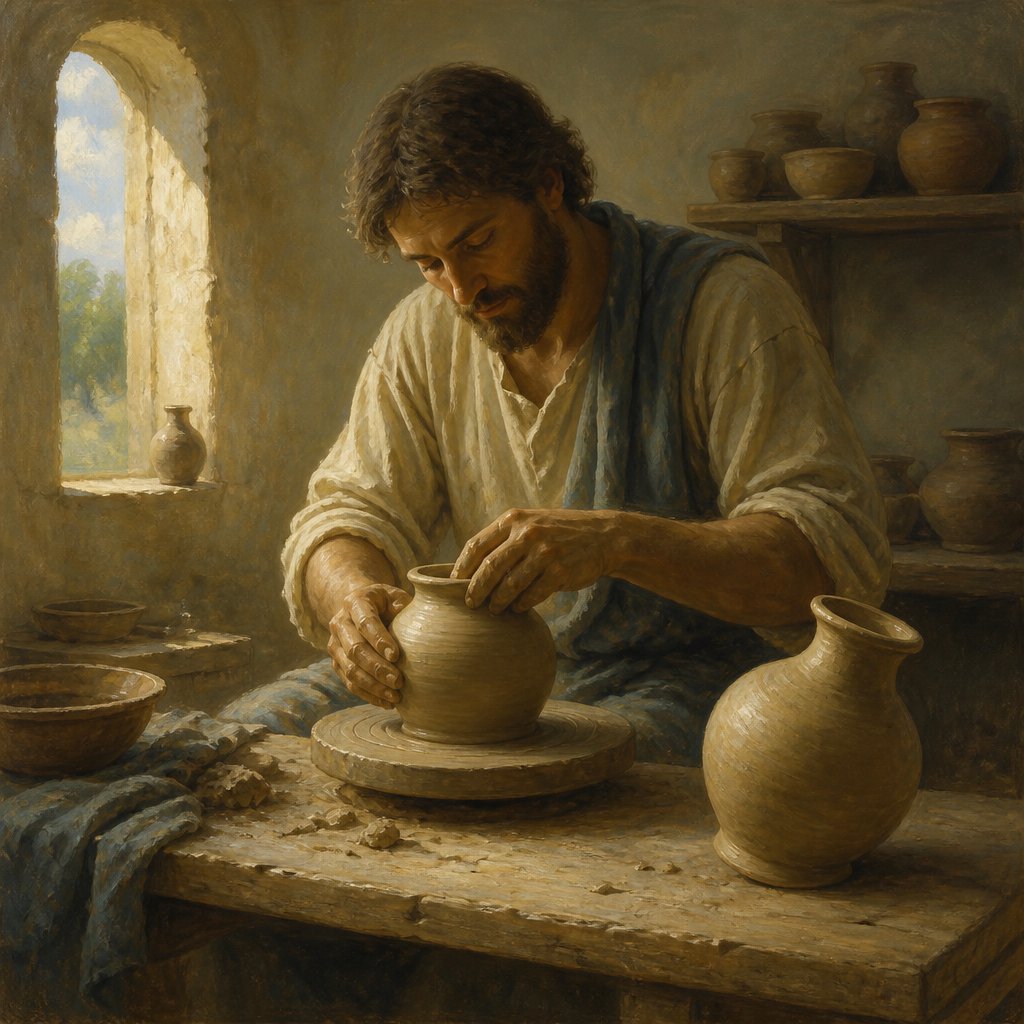
Isaiah 29:16 (KJV) says, "Surely your turning of things upside down shall be esteemed as the potter's clay: for shall the work say of him that made it, He made me not? or shall the thing framed say of him that framed it, He had no understanding?"
This verse from the book of Isaiah carries deep theological and philosophical significance, and its implications reach far beyond the immediate context in which it was spoken. It encapsulates the themes of divine sovereignty, human accountability, and the relationship between God and His creation. Through the metaphor of a potter and clay, the verse powerfully communicates profound truths about the nature of God and the nature of man.
Contextually, Isaiah 29:16 is part of a prophetic rebuke by Isaiah against the people of Jerusalem for their rebelliousness and unfaithfulness to God. God, through Isaiah, is expressing His displeasure with the actions and attitudes of the people and warning them of the consequences of their disobedience. The turning of things "upside down" refers to the moral and spiritual disorder that the people's actions have brought about in their society. They have rejected God's ways and have brought chaos and confusion upon themselves.
The metaphor of the potter and the clay is a common biblical analogy used to depict the relationship between God and His creation. The potter represents God, who molds and shapes the clay, which symbolizes humanity. The potter has the ultimate authority and control over the clay, deciding its form and purpose. This imagery emphasizes the creative and sovereign power of God, as well as His right to determine the course of human history.
The verse also raises questions about human accountability and responsibility. The rhetorical questions posed in the latter part of the verse challenge the arrogance and rebellion of the people. The idea that the work or the thing formed could question the skill or understanding of the potter is absurd, and yet this is precisely what the people are doing in their rejection of God's authority. They are refusing to acknowledge their Creator and questioning His wisdom and guidance.
The overarching theme of Isaiah 29:16 is the divine sovereignty of God. It asserts that God is the ultimate authority and has the inherent right to govern and direct the affairs of His creation. It highlights the absurdity of human autonomy and rebellion against God. It reiterates the timeless truth that humans are dependent on God for their existence and purpose, and that their attempts to resist or deny His sovereignty are ultimately futile.
The implications of this verse extend beyond the immediate historical context and have reverberations throughout the entire biblical narrative. The image of the potter and the clay is echoed in the New Testament, particularly in the writings of the apostle Paul, who uses it to illustrate God's redemptive work in the lives of believers (Romans 9:21). The lesson of humility and submission to God's will is a recurring theme in the Bible, and Isaiah 29:16 serves as a powerful reminder of the need for humans to acknowledge and honor God's authority in their lives.
In conclusion, Isaiah 29:16 is a profound and thought-provoking verse that encapsulates the themes of divine sovereignty, human accountability, and the relationship between God and His creation. Its use of the potter and clay metaphor communicates deep theological truths about the nature of God and the nature of man, and its implications resonate throughout the entire biblical narrative. This verse challenges us to consider our stance in relation to God and to recognize His authority and wisdom in all aspects of our lives.
Get our apps


Artwork for Isaiah 29:16

Isaiah 29:16 - "Surely your turning of things upside down shall be esteemed as the potter's clay: for shall the work say of him that made it, He made me not? or shall the thing framed say of him that framed it, He had no understanding?"
"Surely your turning of things upside down shall be esteemed as the potter's clay: for shall the work say of him that made it, He made me not? or shall the thing framed say of him that framed it, He had no understanding?" - Isaiah 29:16

Isaiah 29:6

Isaiah 29:12

Isaiah 29:4

Isaiah 29:4

Isaiah 29:18

Genesis 29:16-35

Isaiah 41:29 - "Behold, they are all vanity; their works are nothing: their molten images are wind and confusion."

Isaiah 40:29 - "He giveth power to the faint; and to them that have no might he increaseth strength."

Isaiah 29:24 - "They also that erred in spirit shall come to understanding, and they that murmured shall learn doctrine."

Isaiah 29:2 - "Yet I will distress Ariel, and there shall be heaviness and sorrow: and it shall be unto me as Ariel."

Isaiah 29:20 - "For the terrible one is brought to nought, and the scorner is consumed, and all that watch for iniquity are cut off:"

Isaiah 28:29 - "This also cometh forth from the LORD of hosts, which is wonderful in counsel, and excellent in working."

Proverbs 16:29 - "A violent man enticeth his neighbour, and leadeth him into the way that is not good."

Isaiah 29:9 - "¶ Stay yourselves, and wonder; cry ye out, and cry: they are drunken, but not with wine; they stagger, but not with strong drink."

Proverbs 29:16 - "When the wicked are multiplied, transgression increaseth: but the righteous shall see their fall."

Genesis 29:16 - "And Laban had two daughters: the name of the elder was Leah, and the name of the younger was Rachel."

Isaiah 10:29 - "They are gone over the passage: they have taken up their lodging at Geba; Ramah is afraid; Gibeah of Saul is fled."

Job 29:16 - "I was a father to the poor: and the cause which I knew not I searched out."

Acts 16:29 - "Then he called for a light, and sprang in, and came trembling, and fell down before Paul and Silas,"

Isaiah 29:15-16 - "Woe to those who go to great depths to hide their plans from the Lord, who do their work in darkness and think, “Who sees us? Who will know?” You turn things upside down, as if the potter were thought to be like the clay! Shall what is formed say to the one who formed it, “You did not make me”? Can the pot say to the potter, “You know nothing”?"

Isaiah 29:21 - "That make a man an offender for a word, and lay a snare for him that reproveth in the gate, and turn aside the just for a thing of nought."

Isaiah 29:19 - "The meek also shall increase their joy in the LORD, and the poor among men shall rejoice in the Holy One of Israel."

Isaiah 29:17 - "Is it not yet a very little while, and Lebanon shall be turned into a fruitful field, and the fruitful field shall be esteemed as a forest?"

Isaiah 1:29 - "For they shall be ashamed of the oaks which ye have desired, and ye shall be confounded for the gardens that ye have chosen."

Isaiah 29:18 - "¶ And in that day shall the deaf hear the words of the book, and the eyes of the blind shall see out of obscurity, and out of darkness."

Isaiah 29:12 - "And the book is delivered to him that is not learned, saying, Read this, I pray thee: and he saith, I am not learned."

Isaiah 29:6 - "Thou shalt be visited of the LORD of hosts with thunder, and with earthquake, and great noise, with storm and tempest, and the flame of devouring fire."

Luke 16:29 - "Abraham saith unto him, They have Moses and the prophets; let them hear them."