What does Isaiah 2:9 mean?
“And the mean man boweth down, and the great man humbleth himself: therefore forgive them not.” — Isaiah 2:9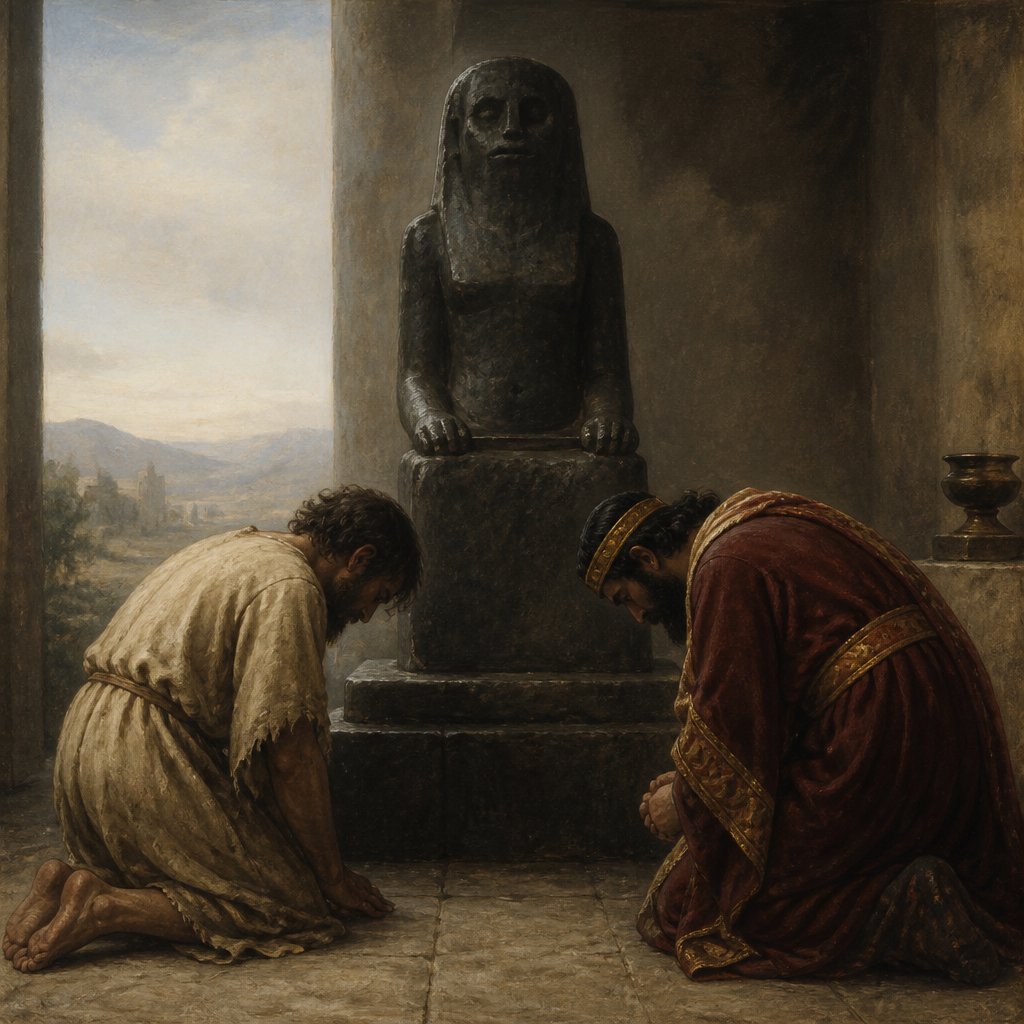
Isaiah 2:9 in the King James Version of the Bible reads, "And the mean man boweth down, and the great man humbleth himself: therefore forgive them not." This verse is part of a larger passage in the book of Isaiah, which is one of the major prophets in the Old Testament. The book of Isaiah is known for its powerful poetry and profound prophecies about the coming of the Messiah and the ultimate restoration of Israel.
The context of Isaiah 2:9 is a stern warning to the people of Judah about the consequences of their sinful and idolatrous behavior. In the preceding verses, Isaiah prophesies about the future day of the Lord when God will judge all the nations and establish His kingdom on earth. This vision of the day of the Lord serves as a backdrop for the call to repentance and warnings of judgment that are found throughout the book of Isaiah.
In Isaiah 2:9, the prophet describes a scene where both the "mean man" and the "great man" are humbling themselves, presumably before idols or false gods. The term "mean man" refers to an ordinary or lowly individual, while the "great man" denotes someone of high status or rank. The act of bowing down and humbling oneself before idols was a common practice in the ancient Near East, and it was associated with idol worship and false religion.
The verse concludes with a powerful declaration: "therefore forgive them not." This statement underscores the severity of the people's sin and the certainty of God's judgment against them. It conveys the idea that the people's actions have crossed a line, and there is no room for forgiveness or pardon.
One of the overarching themes of Isaiah 2:9 is the danger of pride and idolatry. The image of both the lowly and the lofty bowing down before false gods highlights the universal nature of sin and the need for repentance. It also serves as a cautionary reminder that no one is exempt from the temptation to exalt oneself or to place something other than God at the center of one's life.
Another important theme in this verse is the holiness and justice of God. The declaration "therefore forgive them not" emphasizes the uncompromising nature of God's righteousness. It underscores the truth that God cannot and will not tolerate sin and rebellion forever. This theme is echoed throughout the book of Isaiah, as the prophet repeatedly emphasizes the need for people to turn from their wicked ways and seek the Lord's forgiveness.
Symbolism also plays a significant role in Isaiah 2:9. The act of bowing down and humbling oneself can be seen as a metaphor for the surrender of one's heart and will. When applied to the context of idol worship, it symbolizes the misplaced devotion and allegiance of the people. The "mean man" and the "great man" represent all people, regardless of social or economic status, who are susceptible to the lure of false gods.
In conclusion, Isaiah 2:9 is a poignant and sobering reminder of the consequences of pride, idolatry, and disobedience. It calls for repentance and a turning away from false gods, and it affirms the holiness and justice of God. Ultimately, it points to the need for humility, genuine worship, and seeking forgiveness from the one true God. This verse serves as a timeless exhortation for all people to heed the warning and turn to the Lord with contrite hearts.
Get our apps


Artwork for Isaiah 2:9

Isaiah 2:9 - "And the mean man boweth down, and the great man humbleth himself: therefore forgive them not."
"And the mean man boweth down, and the great man humbleth himself: therefore forgive them not." - Isaiah 2:9

Isaiah 9:2 - "The people that walked in darkness have seen a great light: they that dwell in the land of the shadow of death, upon them hath the light shined."
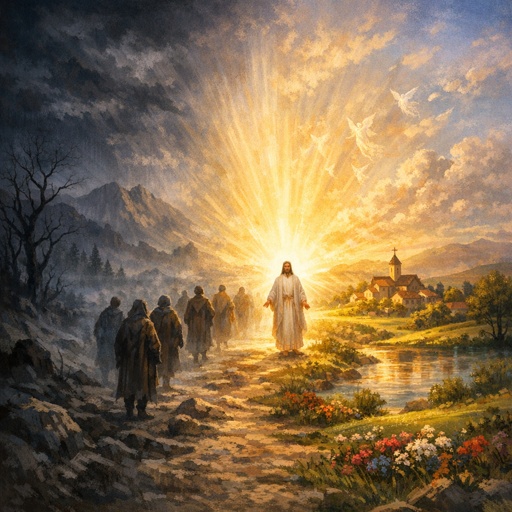
"The people that walked in darkness have seen a great light: they that dwell in the land of the shadow of death, upon them hath the light shined." - Isaiah 9:2

Isaiah 9:6

Isaiah 9:6

Isaiah 9:6

Isaiah 9:6

2 Kings 20:9 - "And Isaiah said, This sign shalt thou have of the LORD, that the LORD will do the thing that he hath spoken: shall the shadow go forward ten degrees, or go back ten degrees?"

Isaiah 50:7–9

Isaiah 11:1-9

Isaiah 11:1-9

Isaiah 9:1-4

Isaiah 11:1-9

Isaiah 9:9 - "And all the people shall know, even Ephraim and the inhabitant of Samaria, that say in the pride and stoutness of heart,"

Isaiah 10:9 - "Is not Calno as Carchemish? is not Hamath as Arpad? is not Samaria as Damascus?"

Isaiah 30:9 - "That this is a rebellious people, lying children, children that will not hear the law of the LORD:"

Isaiah 9:16 - "For the leaders of this people cause them to err; and they that are led of them are destroyed."

Isaiah 19:9 - "Moreover they that work in fine flax, and they that weave networks, shall be confounded."

Isaiah 9:8 - "¶ The Lord sent a word into Jacob, and it hath lighted upon Israel."

Isaiah 2:1 - "The word that Isaiah the son of Amoz saw concerning Judah and Jerusalem."

Isaiah 9:15 - "The ancient and honourable, he is the head; and the prophet that teacheth lies, he is the tail."

Isaiah 24:9 - "They shall not drink wine with a song; strong drink shall be bitter to them that drink it."
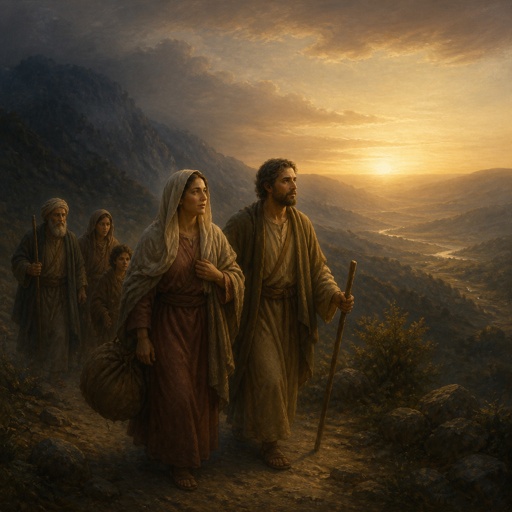
"The people that walked in darkness have seen a great light: they that dwell in the land of the shadow of death, upon them hath the light shined." - Isaiah 9:2

Isaiah 56:9 - "¶ All ye beasts of the field, come to devour, yea, all ye beasts in the forest."

Isaiah 9:13 - "¶ For the people turneth not unto him that smiteth them, neither do they seek the LORD of hosts."

Isaiah 9:14 - "Therefore the LORD will cut off from Israel head and tail, branch and rush, in one day."

Isaiah 38:9 - "¶ The writing of Hezekiah king of Judah, when he had been sick, and was recovered of his sickness:"

Isaiah 43:2

Isaiah 12:2