What does Isaiah 36:6 mean?
“Lo, thou trustest in the staff of this broken reed, on Egypt; whereon if a man lean, it will go into his hand, and pierce it: so is Pharaoh king of Egypt to all that trust in him.” — Isaiah 36:6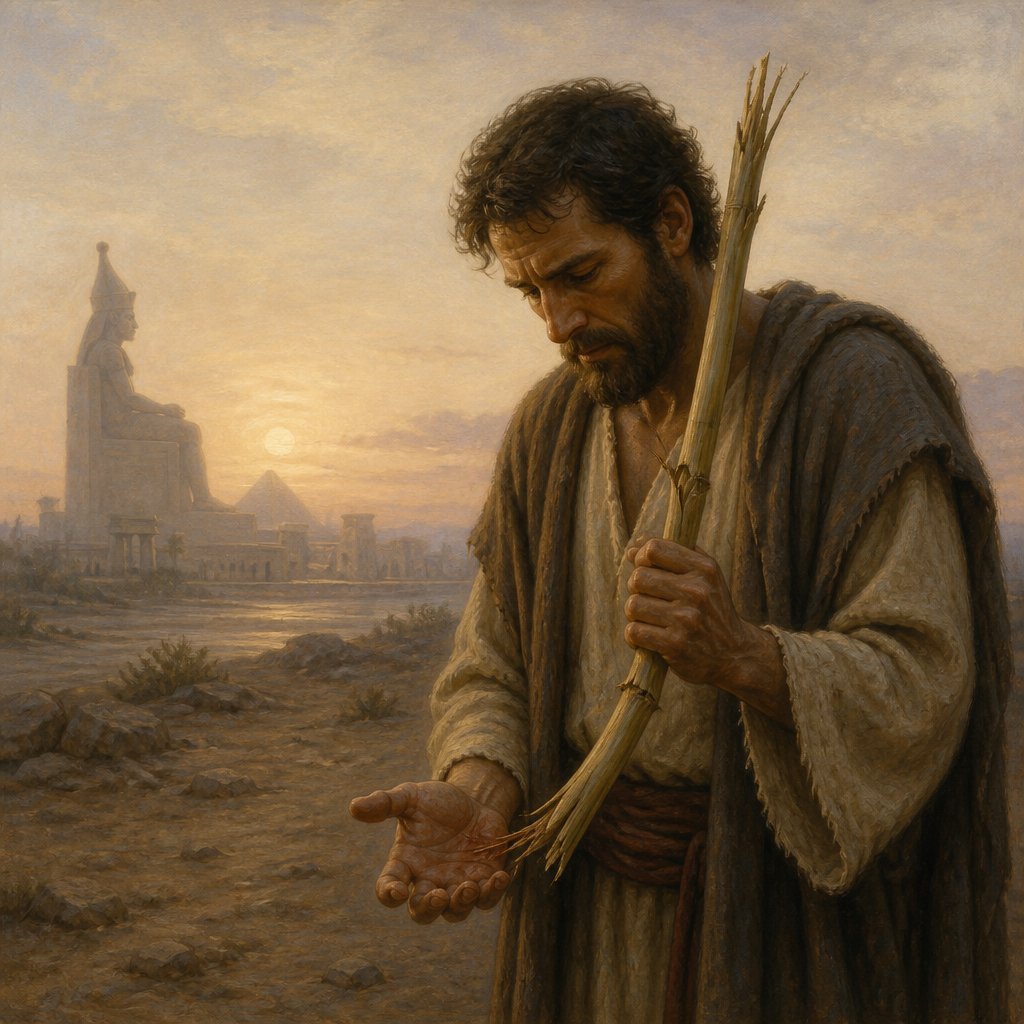
Isaiah 36:6 in the King James Version of the Bible reads, "Lo, thou trustest in the staff of this broken reed, on Egypt; whereon if a man lean, it will go into his hand, and pierce it: so is Pharaoh king of Egypt to all that trust on him."
This verse can be found in the book of Isaiah, which is one of the major prophets in the Old Testament. The context of this verse is a crucial moment in Israel's history, as the nation faces the threat of invasion by the Assyrian army. King Hezekiah of Judah is in a time of great distress and is seeking guidance from the prophet Isaiah regarding the impending siege on Jerusalem.
In this verse, the Assyrian king's representative is taunting Hezekiah and the people of Judah, trying to persuade them to surrender without a fight. The Assyrian's representative compares Egypt to a "broken reed," stating that trusting in Egypt for help is as foolish as relying on a splintered staff that will only lead to further injury.
The use of Egypt as a symbol of false hope and failed trust is significant in this passage. Throughout the Old Testament, Egypt is often portrayed as a country that represents worldly power and false gods. The Israelites' reliance on Egypt for military support is seen as a rejection of their trust in God and an alliance with a nation that does not honor or respect the one true God.
The broken reed symbolizes the weakness and unreliability of human alliances and worldly powers. It serves as a warning to Hezekiah and the people of Judah against placing their trust in nations or rulers who cannot provide true security and salvation. The Assyrian's representative is attempting to dissuade the people from turning to Egypt for help, instead encouraging them to resign themselves to defeat and surrender to the might of the Assyrian empire.
The verse also underscores the consequences of placing one's faith in earthly powers rather than in God. The imagery of a broken reed that pierces the hand of one who leans on it illustrates the futility and danger of relying on anything other than God for protection and deliverance. It emphasizes the importance of trusting in God's sovereignty and strength, rather than turning to worldly alliances for assistance.
As for the broader themes of the book of Isaiah, this verse is part of a larger message about the spiritual condition of the people of Judah and the consequences of their unfaithfulness to God. Throughout the book, Isaiah delivers warnings of judgment and calls for the repentance of the nation. The passage in Isaiah 36 serves as a reminder of the dangers of placing one's trust in anything other than God and the importance of remaining faithful to Him in the face of adversity.
In conclusion, Isaiah 36:6 conveys a powerful message about the dangers of misplaced trust and the futility of relying on worldly powers for security. Through the symbolism of the broken reed and the warning against trusting in Egypt, the verse serves as a timeless exhortation to place our faith in God alone and to seek His protection and guidance in all circumstances.
Get our apps


Artwork for Isaiah 36:6

Isaiah 36:6 - "Lo, thou trustest in the staff of this broken reed, on Egypt; whereon if a man lean, it will go into his hand, and pierce it: so is Pharaoh king of Egypt to all that trust in him."
"Lo, thou trustest in the staff of this broken reed, on Egypt; whereon if a man lean, it will go into his hand, and pierce it: so is Pharaoh king of Egypt to all that trust in him." - Isaiah 36:6

Isaiah 36:21 - "But they held their peace, and answered him not a word: for the king's commandment was, saying, Answer him not."

Psalms 36 verse 3-6

Isaiah 36:14 - "Thus saith the king, Let not Hezekiah deceive you: for he shall not be able to deliver you."

Luke 6:36 - "Be ye therefore merciful, as your Father also is merciful."

Isaiah 36:19 - "Where are the gods of Hamath and Arphad? where are the gods of Sepharvaim? and have they delivered Samaria out of my hand?"

Job 36:6 - "He preserveth not the life of the wicked: but giveth right to the poor."

isaiah 6:6

Isaiah 36:13 - "Then Rabshakeh stood, and cried with a loud voice in the Jews' language, and said, Hear ye the words of the great king, the king of Assyria."

1 Chronicles 6:36 - "The son of Elkanah, the son of Joel, the son of Azariah, the son of Zephaniah,"

Judges 6:36-40 – Gideon’s fleece test for dew.

John 6:36 - "But I said unto you, That ye also have seen me, and believe not."

Isaiah 36:3 - "Then came forth unto him Eliakim, Hilkiah's son, which was over the house, and Shebna the scribe, and Joah, Asaph's son, the recorder."

Isaiah 36:17 - "Until I come and take you away to a land like your own land, a land of corn and wine, a land of bread and vineyards."

Isaiah 36:20 - "Who are they among all the gods of these lands, that have delivered their land out of my hand, that the LORD should deliver Jerusalem out of my hand?"

Isaiah 36:15 - "Neither let Hezekiah make you trust in the LORD, saying, The LORD will surely deliver us: this city shall not be delivered into the hand of the king of Assyria."

Isaiah 6

Isaiah 6

Isaiah 36:9 - "How then wilt thou turn away the face of one captain of the least of my master's servants, and put thy trust on Egypt for chariots and for horsemen?"

1 Kings 6:36 - "¶ And he built the inner court with three rows of hewed stone, and a row of cedar beams."

Isaiah 6:1-5

Isaiah 6:1-5

isaiah 6:7

Isaiah 36:4 - "¶ And Rabshakeh said unto them, Say ye now to Hezekiah, Thus saith the great king, the king of Assyria, What confidence is this wherein thou trustest?"

Isaiah 6:1-5

Isaiah 6:1-5

Isaiah 36:10 - "And am I now come up without the LORD against this land to destroy it? the LORD said unto me, Go up against this land, and destroy it."

Isaiah 36:1 - "Now it came to pass in the fourteenth year of king Hezekiah, that Sennacherib king of Assyria came up against all the defenced cities of Judah, and took them."

Isaiah 36:22 - "¶ Then came Eliakim, the son of Hilkiah, that was over the household, and Shebna the scribe, and Joah, the son of Asaph, the recorder, to Hezekiah with their clothes rent, and told him the words of Rabshakeh."