What does Isaiah 37:3 mean?
“And they said unto him, Thus saith Hezekiah, This day is a day of trouble, and of rebuke, and of blasphemy: for the children are come to the birth, and there is not strength to bring forth.” — Isaiah 37:3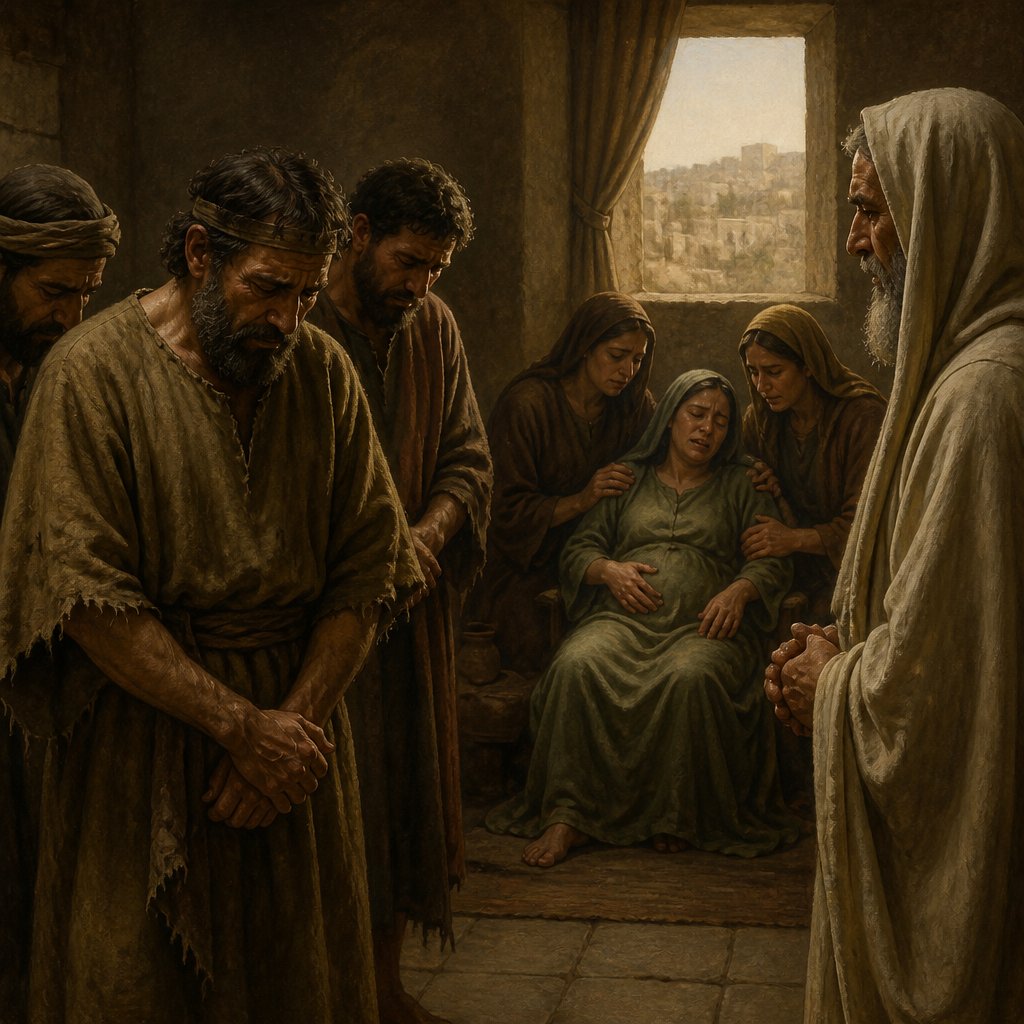
Isaiah 37:3 in the King James Version of the Bible reads, "And they said unto him, Thus saith Hezekiah, This day is a day of trouble, and of rebuke, and of blasphemy: for the children are come to the birth, and there is not strength to bring forth." In order to truly understand the depth and meaning of this verse, we must delve into the historical and cultural context in which it was written and consider its themes and symbolism.
The book of Isaiah is a prophetic book in the Old Testament and is traditionally attributed to the prophet Isaiah, who lived in the 8th century BCE. It was a time of great political and social turmoil in the nation of Judah, with the Assyrian Empire threatening to conquer and destroy Jerusalem. Hezekiah was the king of Judah at that time, and he faced formidable challenges as the ruler of a kingdom besieged by a ruthless and powerful enemy.
In this verse, Hezekiah is addressing the prophet Isaiah with a plea for help and guidance during this time of trouble and danger. He describes the situation as a day of trouble, rebuke, and blasphemy, symbolizing the overwhelming adversity and opposition that he and his people were facing. The imagery of "the children are come to the birth, and there is not strength to bring forth" evokes a sense of desperation and helplessness, as if the nation is on the brink of a critical moment but lacks the strength and resilience to overcome it.
One of the central themes of this verse is the concept of divine intervention and deliverance. Hezekiah's appeal to Isaiah reflects a deep trust in the power of God to rescue and save his people from their dire circumstances. The language and imagery used here convey a sense of urgency and desperation, emphasizing the need for divine assistance in the face of overwhelming odds. It is a poignant reminder of the human tendency to turn to God in times of crisis and to seek comfort and strength in the belief that He will come to our aid.
Another important theme in this verse is the idea of human weakness and vulnerability. The metaphor of childbirth is used to illustrate the precariousness of the situation, highlighting the fragility and helplessness of the nation in the face of its enemies. Hezekiah's acknowledgment of his own limitations and inadequacies underscores the profound sense of vulnerability that permeates the passage.
The symbolism in this verse is rich and multifaceted. The references to trouble, rebuke, blasphemy, and the inability to bring forth all serve to underscore the severity of the situation and the desperate need for divine intervention. The image of childbirth conveys the sense of impending crisis and the urgent need for deliverance. It also symbolizes the potential for new life and renewal, suggesting that the nation's current hardships may ultimately lead to a new beginning and a brighter future.
In conclusion, Isaiah 37:3 is a powerful and poignant expression of faith and dependence on God in the face of overwhelming adversity. It speaks to the human experience of facing seemingly insurmountable challenges and the instinctive desire to turn to God for strength and deliverance. The verse captures the profound themes of divine intervention, human vulnerability, and the potential for renewal, offering a timeless message of hope and resilience in the face of hardship.
Get our apps


Artwork for Isaiah 37:3

Isaiah 37:3 - "And they said unto him, Thus saith Hezekiah, This day is a day of trouble, and of rebuke, and of blasphemy: for the children are come to the birth, and there is not strength to bring forth."
"And they said unto him, Thus saith Hezekiah, This day is a day of trouble, and of rebuke, and of blasphemy: for the children are come to the birth, and there is not strength to bring forth." - Isaiah 37:3

Isaiah 37:5 - "So the servants of king Hezekiah came to Isaiah."

Isaiah 37:37 - "¶ So Sennacherib king of Assyria departed, and went and returned, and dwelt at Nineveh."

Isaiah 37:15 - "And Hezekiah prayed unto the LORD, saying,"

"So the servants of king Hezekiah came to Isaiah." - Isaiah 37:5

Isaiah 37:2 - "And he sent Eliakim, who was over the household, and Shebna the scribe, and the elders of the priests covered with sackcloth, unto Isaiah the prophet the son of Amoz."

"¶ So Sennacherib king of Assyria departed, and went and returned, and dwelt at Nineveh." - Isaiah 37:37

Isaiah 37:18 - "Of a truth, LORD, the kings of Assyria have laid waste all the nations, and their countries,"

Isaiah 37:13 - "Where is the king of Hamath, and the king of Arphad, and the king of the city of Sepharvaim, Hena, and Ivah?"

Isaiah 37:21 - "¶ Then Isaiah the son of Amoz sent unto Hezekiah, saying, Thus saith the LORD God of Israel, Whereas thou hast prayed to me against Sennacherib king of Assyria:"

Isaiah 37:35 - "For I will defend this city to save it for mine own sake, and for my servant David's sake."

"And Hezekiah prayed unto the LORD, saying," - Isaiah 37:15

Isaiah 37:34 - "By the way that he came, by the same shall he return, and shall not come into this city, saith the LORD."

Isaiah 37:31 - "And the remnant that is escaped of the house of Judah shall again take root downward, and bear fruit upward:"

Isaiah 37:28 - "But I know thy abode, and thy going out, and thy coming in, and thy rage against me."

Numbers 3:37 - "And the pillars of the court round about, and their sockets, and their pins, and their cords."

Isaiah 37:6 - "¶ And Isaiah said unto them, Thus shall ye say unto your master, Thus saith the LORD, Be not afraid of the words that thou hast heard, wherewith the servants of the king of Assyria have blasphemed me."

Isaiah 37:32 - "For out of Jerusalem shall go forth a remnant, and they that escape out of mount Zion: the zeal of the LORD of hosts shall do this."

Isaiah 37:19 - "And have cast their gods into the fire: for they were no gods, but the work of men's hands, wood and stone: therefore they have destroyed them."

Isaiah 37:1 - "And it came to pass, when king Hezekiah heard it, that he rent his clothes, and covered himself with sackcloth, and went into the house of the LORD."

Lamentations 3:37 - "¶ Who is he that saith, and it cometh to pass, when the Lord commandeth it not?"

Isaiah 37:8 - "¶ So Rabshakeh returned, and found the king of Assyria warring against Libnah: for he had heard that he was departed from Lachish."

Isaiah 37:14 - "¶ And Hezekiah received the letter from the hand of the messengers, and read it: and Hezekiah went up unto the house of the LORD, and spread it before the LORD."

Isaiah 37:25 - "I have digged, and drunk water; and with the sole of my feet have I dried up all the rivers of the besieged places."

Isaiah 37:11 - "Behold, thou hast heard what the kings of Assyria have done to all lands by destroying them utterly; and shalt thou be delivered?"

Isaiah 37:12 - "Have the gods of the nations delivered them which my fathers have destroyed, as Gozan, and Haran, and Rezeph, and the children of Eden which were in Telassar?"

Job 37:3 - "He directeth it under the whole heaven, and his lightning unto the ends of the earth."

Isaiah 37:27 - "Therefore their inhabitants were of small power, they were dismayed and confounded: they were as the grass of the field, and as the green herb, as the grass on the housetops, and as corn blasted before it be grown up."

Isaiah 37:36 - "Then the angel of the LORD went forth, and smote in the camp of the Assyrians a hundred and fourscore and five thousand: and when they arose early in the morning, behold, they were all dead corpses."