What does Isaiah 39:7 mean?
“And of thy sons that shall issue from thee, which thou shalt beget, shall they take away; and they shall be eunuchs in the palace of the king of Babylon.” — Isaiah 39:7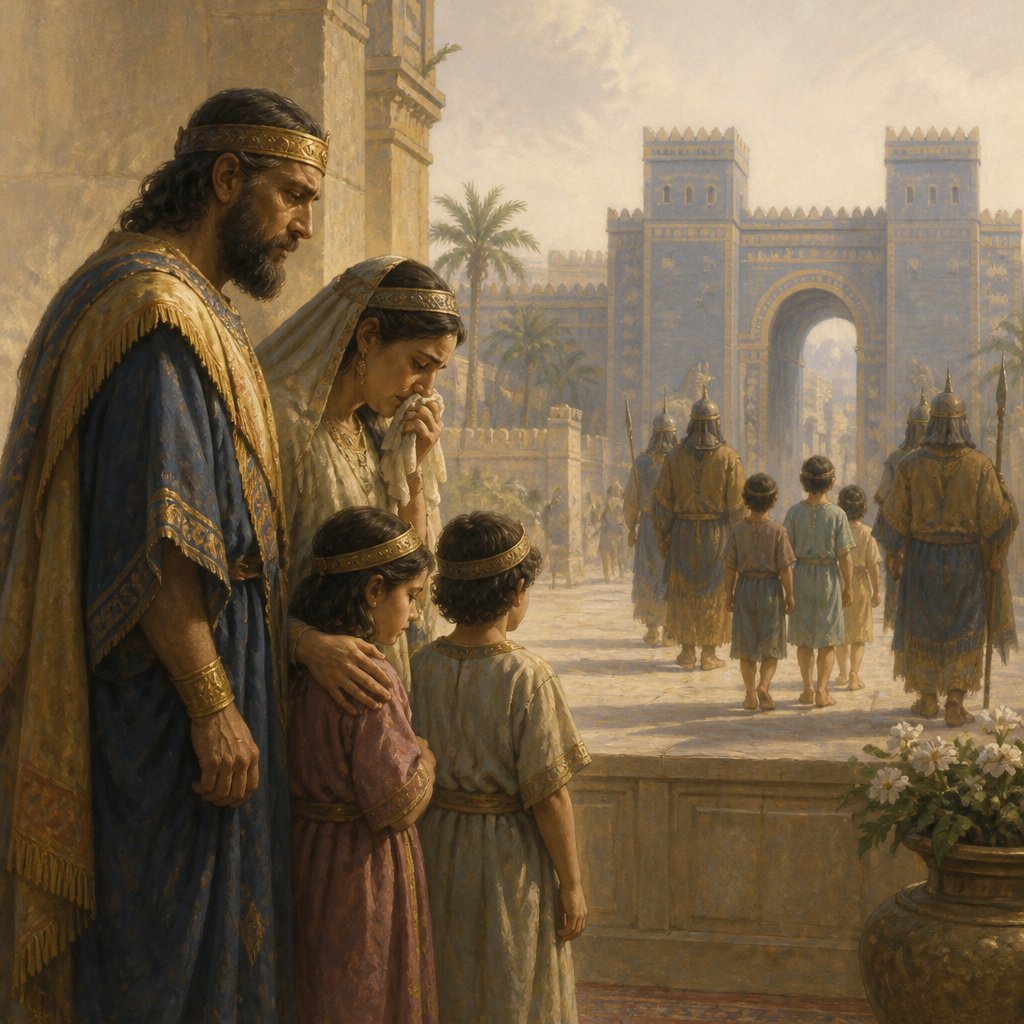
Sure, here is a detailed and in-depth explanation of Isaiah 39:7.
The verse Isaiah 39:7 from the King James Version (KJV) of the Bible is as follows: "And of thy sons that shall issue from thee, which thou shalt beget, shall they take away; and they shall be eunuchs in the palace of the king of Babylon."
This verse is part of a passage in which the prophet Isaiah prophesies the downfall of the nation of Judah and the Babylonian captivity, as well as the fate of King Hezekiah's descendants. In the preceding verses, King Hezekiah of Judah has just shown off his wealth and treasures to a visiting envoy from Babylon. Isaiah warns him that as a consequence of this display, his descendants will be taken captive and become eunuchs in the palace of the king of Babylon.
The verse has several themes and implications that can be explored. One of the main themes is the consequences of pride and disobedience. King Hezekiah's pride and desire to show off his wealth and possessions to the Babylonians leads to the prophecy of the enslavement and emasculation of his descendants. This serves as a cautionary tale against the dangers of arrogance and self-centeredness.
This verse also speaks to the broader theme of the faithfulness and sovereignty of God. Despite King Hezekiah's actions, God's plan for the nation of Judah and for the line of King David will still be carried out. The captivity in Babylon is part of God's larger plan for the redemption and restoration of his people.
The context of this verse is important to understanding its significance. It is situated within the larger narrative of the book of Isaiah, which contains messages of judgment, redemption, and hope. The verse serves as a warning to the nation of Judah about the consequences of their disobedience and lack of faithfulness to God. It also points towards the future restoration and redemption that God has in store for his people.
Symbolism is also present in this verse. The image of King Hezekiah's descendants being made eunuchs in the palace of the king of Babylon is symbolic of the loss of power, autonomy, and identity. It represents the humiliation and degradation that would come upon the nation of Judah as a result of their disobedience. However, it also serves as a symbol of hope, as the prophecy also hints at the eventual return and restoration of the people of Judah.
In conclusion, Isaiah 39:7 is a powerful and significant verse that carries important themes of pride, consequence, faithfulness, and redemption. It serves as a cautionary tale and a reminder of the consequences of disobedience, while also pointing towards the faithfulness and sovereignty of God. It is a crucial part of the larger narrative of the book of Isaiah and holds deep significance within the broader context of the biblical story.
Get our apps


Artwork for Isaiah 39:7

Isaiah 39:7 - "And of thy sons that shall issue from thee, which thou shalt beget, shall they take away; and they shall be eunuchs in the palace of the king of Babylon."
"And of thy sons that shall issue from thee, which thou shalt beget, shall they take away; and they shall be eunuchs in the palace of the king of Babylon." - Isaiah 39:7

Isaiah 39:5 - "Then said Isaiah to Hezekiah, Hear the word of the LORD of hosts:"

John 7:37-39

John 7:37-39

"Then said Isaiah to Hezekiah, Hear the word of the LORD of hosts:" - Isaiah 39:5

Isaiah 39:8 - "Then said Hezekiah to Isaiah, Good is the word of the LORD which thou hast spoken. He said moreover, For there shall be peace and truth in my days."

1 Chronicles 7:39 - "And the sons of Ulla; Arah, and Haniel, and Rezia."

Psalms 39:7 - "And now, Lord, what wait I for? my hope is in thee."

Nehemiah 7:39 - "¶ The priests: the children of Jedaiah, of the house of Jeshua, nine hundred seventy and three."

Job 39:7 - "He scorneth the multitude of the city, neither regardeth he the crying of the driver."

Isaiah 39:3 - "¶ Then came Isaiah the prophet unto king Hezekiah, and said unto him, What said these men? and from whence came they unto thee? And Hezekiah said, They are come from a far country unto me, even from Babylon."

Numbers 7:39 - "One young bullock, one ram, one lamb of the first year, for a burnt offering:"

Jeremiah 39:7 - "Moreover he put out Zedekiah's eyes, and bound him with chains, to carry him to Babylon."

Exodus 39:7 - "And he put them on the shoulders of the ephod, that they should be stones for a memorial to the children of Israel; as the LORD commanded Moses."

Isaiah 39:1 - "At that time Merodach-baladan, the son of Baladan, king of Babylon, sent letters and a present to Hezekiah: for he had heard that he had been sick, and was recovered."

Acts 7:39 - "To whom our fathers would not obey, but thrust him from them, and in their hearts turned back again into Egypt,"

"And the sons of Ulla; Arah, and Haniel, and Rezia." - 1 Chronicles 7:39

Isaiah 39:4 - "Then said he, What have they seen in thine house? And Hezekiah answered, All that is in mine house have they seen: there is nothing among my treasures that I have not shewed them."

isaiah 6:7

John 7:39 - "(But this spake he of the Spirit, which they that believe on him should receive: for the Holy Ghost was not yet given; because that Jesus was not yet glorified.)"

Genesis 39:7 - "¶ And it came to pass after these things, that his master's wife cast her eyes upon Joseph; and she said, Lie with me."

Isaiah 39:6 - "Behold, the days come, that all that is in thine house, and that which thy fathers have laid up in store until this day, shall be carried to Babylon: nothing shall be left, saith the LORD."

isaiah 6:7

1 Corinthians 7:39 - "The wife is bound by the law as long as her husband liveth; but if her husband be dead, she is at liberty to be married to whom she will; only in the Lord."
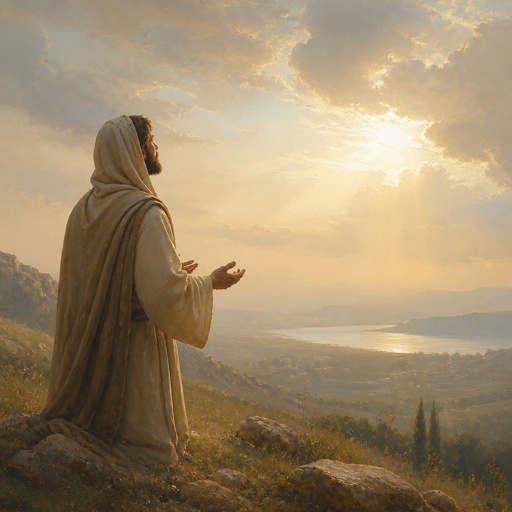
"And now, Lord, what wait I for? my hope is in thee." - Psalms 39:7

"Then said Hezekiah to Isaiah, Good is the word of the LORD which thou hast spoken. He said moreover, For there shall be peace and truth in my days." - Isaiah 39:8

Isaiah 7:7 - "Thus saith the Lord GOD, It shall not stand, neither shall it come to pass."

Isaiah 50:7–9

Isaiah 49 1-7