What does Isaiah 3:10 mean?
“Say ye to the righteous, that it shall be well with him: for they shall eat the fruit of their doings.” — Isaiah 3:10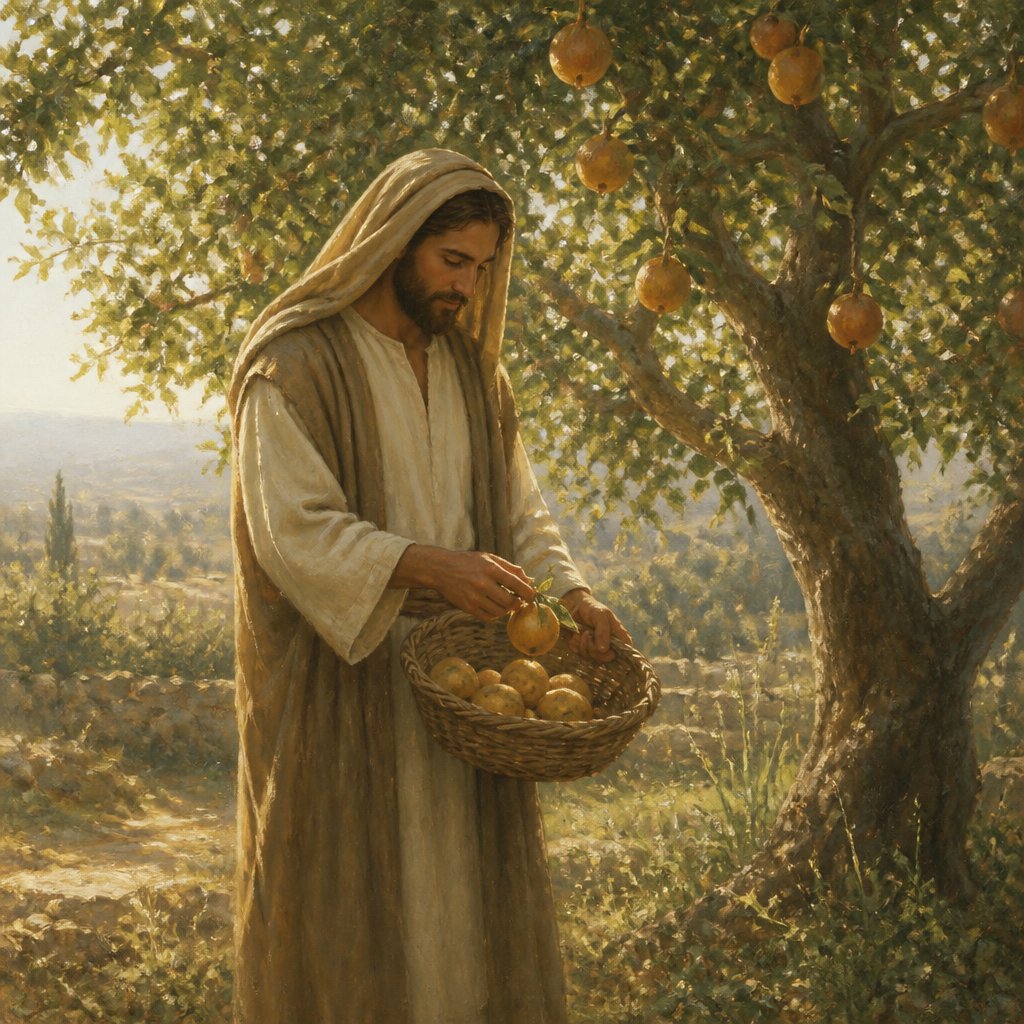
Isaiah 3:10 in the King James Version of the Bible reads: "Say ye to the righteous, that it shall be well with him: for they shall eat the fruit of their doings." This verse has deep spiritual and moral implications, and provides a message of assurance and hope for those who follow a righteous path.
The book of Isaiah is a prophetic book in the Old Testament, attributed to the prophet Isaiah, who lived in the 8th century BCE. The book contains a collection of prophetic oracles and messages delivered by Isaiah to the people of Judah and Jerusalem, warning them of the consequences of their disobedience to God, and offering them hope and encouragement if they turn back to Him.
In Isaiah 3:10, the prophet delivers a message of reassurance to the righteous, promising them that they will be rewarded for their faithfulness and obedience. The verse begins with the command to "Say ye to the righteous," indicating that the intended audience is those who are living a righteous and upright life according to God's standards. The use of the second person plural ("ye") suggests that this message is not just for a few select individuals, but for the entire community of the faithful.
The verse then goes on to declare that "it shall be well with him," affirming that the righteous will experience blessings and prosperity in their lives. This is a powerful statement of God's faithfulness and provision for those who honor Him with their lives. It also serves as a reminder that God sees and rewards the actions and attitudes of His people, and that His justice will ultimately prevail.
The latter part of the verse states, "for they shall eat the fruit of their doings." This is a metaphorical expression that illustrates the concept of reaping what one sows. In agricultural terms, the fruit of one's labor represents the tangible results of their actions and efforts. In this context, it signifies the positive outcomes and rewards that await the righteous as a result of their obedience and fidelity to God's commandments. This concept is echoed throughout the Bible, including in Galatians 6:7 which states, "Do not be deceived: God cannot be mocked. A man reaps what he sows."
The overarching theme of Isaiah 3:10 is the divine principle of sowing and reaping, or divine justice. The righteous are assured that their devotion and commitment to God will not go unnoticed, and that they will ultimately receive their just rewards. This offers encouragement and comfort to those who may face persecution or hardship for their faith, reminding them that their steadfastness will not be in vain.
The broader context of this verse can be found within the larger section of Isaiah 1-39, which focuses on the theme of judgment and restoration. Throughout this section, Isaiah delivers prophecies of both judgment for the sins of the people of Judah, and restoration for those who repent and turn back to God. Isaiah 3:10 can be seen as a part of the message of hope and restoration, assuring the faithful that God will ultimately vindicate them and bring blessings into their lives.
In terms of symbolism, the "fruit of their doings" can be interpreted as representing the spiritual and material blessings that result from a life of righteousness. This imagery of fruitfulness and abundance is a common symbol in the Bible, reflecting the idea of God's provision and blessing for His people. It also serves as a reminder of the importance of living a life that is pleasing to God, as it leads to a harvest of blessings and rewards.
In conclusion, Isaiah 3:10 is a powerful and encouraging verse that offers hope and assurance to the righteous. It emphasizes the promise of God's justice and provision for those who remain faithful to Him, and serves as a reminder of the blessings that come from a life of righteousness. It also underscores the importance of sowing good deeds and actions, as they will ultimately result in a harvest of blessings and rewards. This verse continues to resonate with believers today, offering comfort and encouragement amidst the challenges of life.
Get our apps


Artwork for Isaiah 3:10

Isaiah 3:10 - "Say ye to the righteous, that it shall be well with him: for they shall eat the fruit of their doings."

Isaiah 3:10-11 - "Tell the righteous it will be well with them, for they will enjoy the fruit of their deeds. Woe to the wicked! Disaster is upon them! They will be paid back for what their hands have done."
"Say ye to the righteous, that it shall be well with him: for they shall eat the fruit of their doings." - Isaiah 3:10
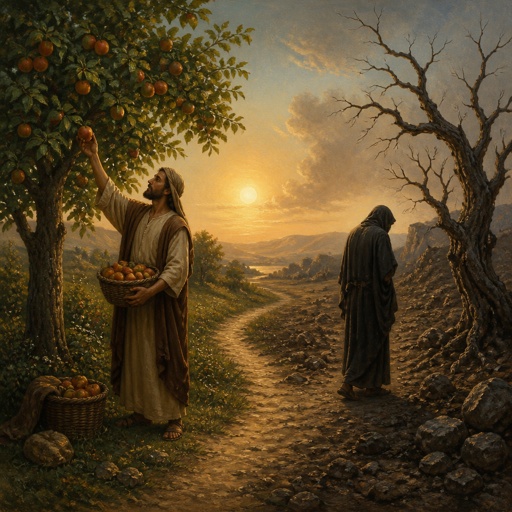
"Tell the righteous it will be well with them, for they will enjoy the fruit of their deeds. Woe to the wicked! Disaster is upon them! They will be paid back for what their hands have done." - Isaiah 3:10-11

Isaiah 10:3 - "And what will ye do in the day of visitation, and in the desolation which shall come from far? to whom will ye flee for help? and where will ye leave your glory?"

isaiah 41:10

isaiah 41:10

isaiah 41:10

isaiah 41:10

isaiah 41:10

isaiah 41:10

isaiah 41:10

isaiah 41:10

isaiah 41:10

isaiah 41:10

isaiah 41:10

isaiah 41:10

isaiah 41:10

isaiah 41:10

isaiah 41:10

isaiah 41:10

isaiah 41:10

isaiah 41:10

isaiah 41:10

isaiah 41:10

isaiah 41:10

isaiah 41:10

isaiah 41:10

Isaiah 41:10

Isaiah 40:10