What does Isaiah 3:13 mean?
“The LORD standeth up to plead, and standeth to judge the people.” — Isaiah 3:13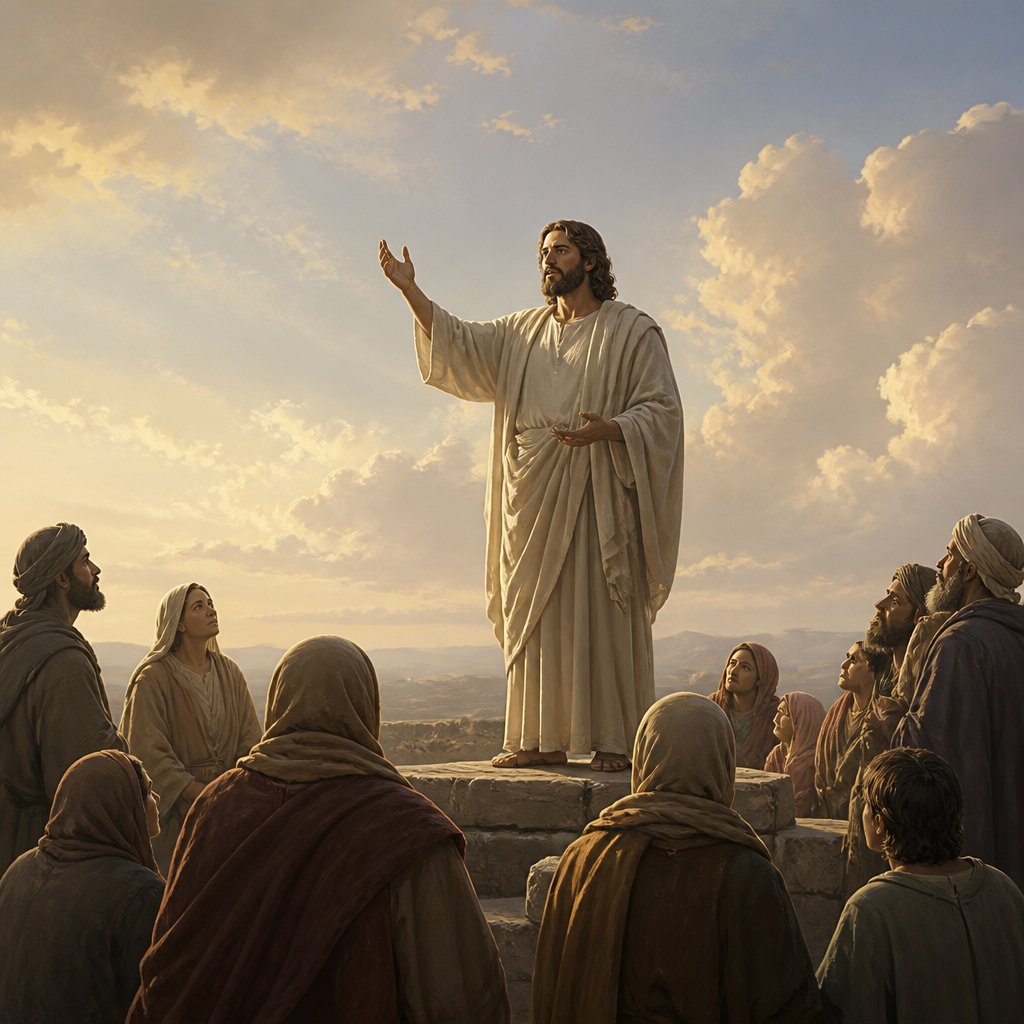
Isaiah 3:13 (KJV) reads, "The Lord standeth up to plead, and standeth to judge the people." This verse is found in the book of Isaiah, which is a prophetic book in the Old Testament of the Bible. The book of Isaiah was written by the prophet Isaiah, who lived in the 8th century BC. The context of this verse is within a larger passage in which Isaiah is delivering messages of judgment and condemnation to the people of Judah and Jerusalem.
The theme of judgment is central to this verse. The image of the Lord standing up to plead and judge the people conveys the idea that God is actively involved in the affairs of humanity, and that he will ultimately hold people accountable for their actions. This theme of divine judgment is a recurring motif throughout the Bible, and it serves as a reminder that God is just and righteous, and that he will not overlook or ignore the sins and injustices of the world.
The context of this verse is important for understanding its significance. In the preceding verses, Isaiah condemns the people of Judah and Jerusalem for their arrogant and materialistic behavior. He speaks out against their pride, luxury, and oppression of the poor. The image of the Lord standing up to plead and judge the people is a warning to the people of Judah and Jerusalem that they will face divine judgment for their sins. It is a call to repentance and a reminder that their actions have consequences.
The symbolism in this verse is rich and meaningful. The image of the Lord standing up to plead and judge the people conveys a sense of urgency and importance. It suggests that God is actively engaged in the process of judgment, and that he is fully committed to ensuring justice for all. The act of standing also connotes authority and power, reinforcing the idea that God's judgment is final and indisputable.
From a broader theological perspective, this verse speaks to the nature of God as a just and righteous judge. It emphasizes the idea that God holds ultimate authority over the affairs of humanity, and that he will ultimately bring about justice for the oppressed and the downtrodden. It also underscores the importance of moral accountability and the consequences of sinful behavior.
In conclusion, Isaiah 3:13 (KJV) is a powerful and evocative verse that conveys the themes of divine judgment, accountability, and justice. It serves as a reminder that God is actively involved in the affairs of humanity, and that he will hold people accountable for their actions. The context of this verse within the larger passage of Isaiah serves to underscore the urgency and importance of the message, while the symbolism of the Lord standing up to plead and judge the people emphasizes his authority and power as a righteous judge. This verse offers a profound theological insight into the nature of God and his role in the world, and it continues to be relevant and meaningful for believers today.
Get our apps


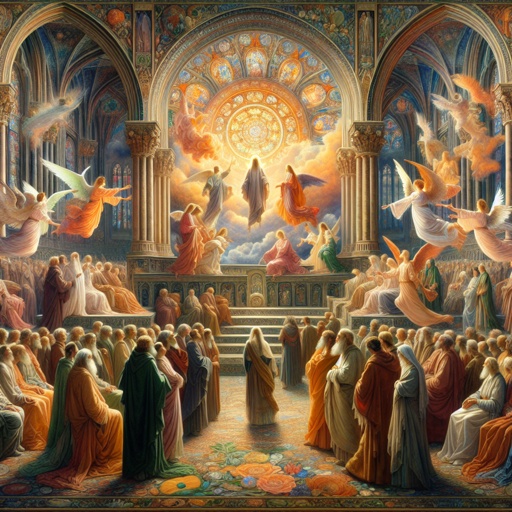
Artwork for Isaiah 3:13

Isaiah 3:13 - "The LORD standeth up to plead, and standeth to judge the people."
"The LORD standeth up to plead, and standeth to judge the people." - Isaiah 3:13
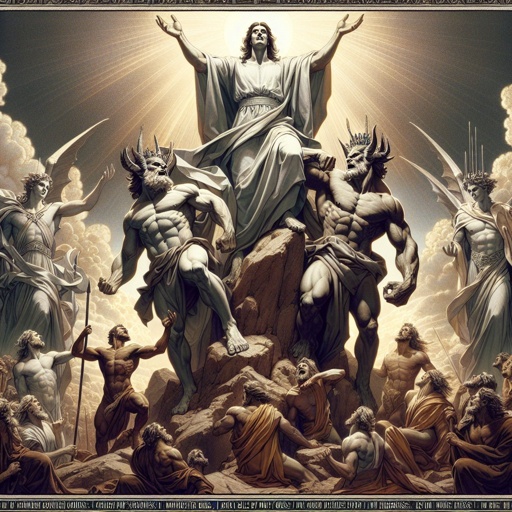
Isaiah 13:3 - "I have commanded my sanctified ones, I have also called my mighty ones for mine anger, even them that rejoice in my highness."

Isaiah 13:1 - "The burden of Babylon, which Isaiah the son of Amoz did see."

Isaiah 41:13

isaiah 6:13

Isaiah 12:3
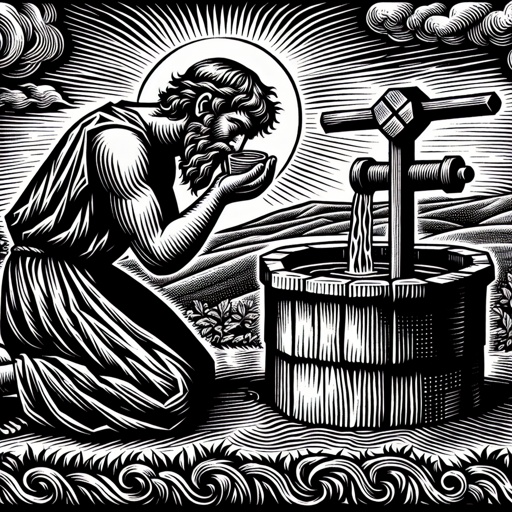
Isaiah 12:3

Isaiah 12:3

Isaiah 12:3

Isaiah 12:3

Isaiah 12:3

Isaiah 12:3

Isaiah 12:3

isaiah 44:3

Isaiah 12:3

Isaiah 12:3

Isaiah 12:3

Isaiah 12:3

Isaiah 12:3

Isaiah 12:3

Isaiah 12:3

Isaiah 26:3

Isaiah 12:3
Isaiah 12:3

Isaiah 12:3

Isaiah 12:3

Isaiah 12:3

Isaiah 12:3

Isaiah 12:3