What does Isaiah 3:14-15 mean?
“The LORD will enter into judgment with the ancients of his people, and the princes thereof: for ye have eaten up the vineyard; the spoil of the poor is in your houses. What mean ye that ye beat my people to pieces, and grind the faces of the poor? saith the Lord GOD of hosts.” — Isaiah 3:14-15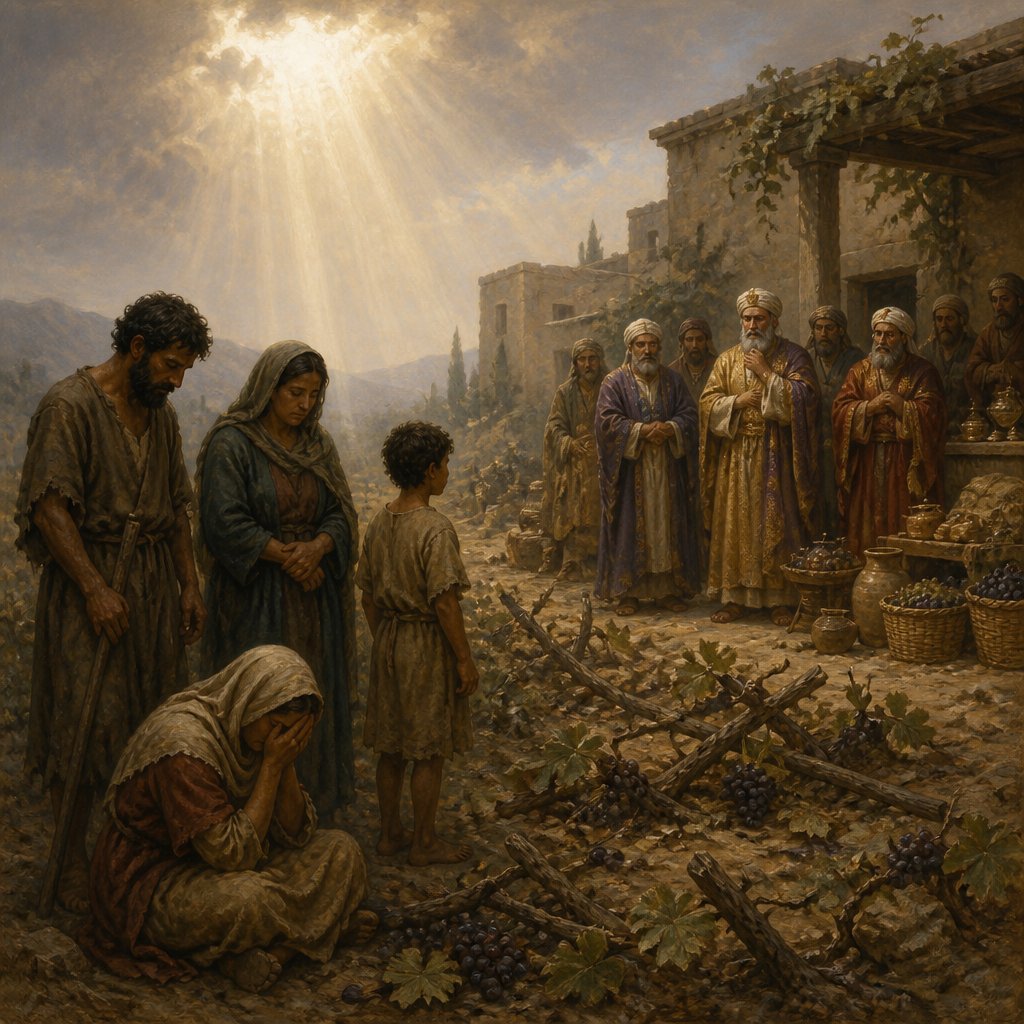
Isaiah 3:14-15 in the King James Version says: "The Lord will enter into judgment with the elders of his people, and the princes thereof: for ye have eaten up the vineyard; the spoil of the poor is in your houses. What mean ye that ye beat my people to pieces, and grind the faces of the poor? saith the Lord God of hosts."
This passage from the book of Isaiah is a powerful and poignant condemnation of the leaders of Israel for their mistreatment of the poor and marginalized in society. It begins by setting the stage for the judgment that is to come, as the Lord prepares to bring justice to those who have oppressed his people. The elders and princes are called out specifically, as those who have failed in their responsibility to care for and protect those under their leadership.
The metaphor of the vineyard is employed to illustrate the way in which the leaders have taken advantage of the resources and labor of the people for their own gain. The vineyard represents the people of Israel, and the leaders are compared to those who have consumed its fruits without regard for the well-being of those who tend to it. The spoil of the poor being in their houses speaks to the extravagant wealth and possessions that the leaders have accumulated at the expense of those who are in need.
The language becomes even more intense as the passage continues, with the Lord questioning the leaders about their brutal treatment of the poor and vulnerable. The imagery of beating and grinding the faces of the poor is deeply disturbing, painting a vivid picture of the suffering and oppression that has been inflicted upon those who are unable to defend themselves. The Lord's inquiry into the motives behind such cruelty serves to emphasize the severity of the situation and the extent of the leaders' moral failure.
One of the key themes of this passage is the perversion of power and authority. The elders and princes, who should have been using their positions to uphold justice and righteousness, have instead exploited and abused those under their care. This betrayal of trust and abuse of power is a recurring theme throughout the Bible, and one that continues to resonate in the world today. The passage serves as a powerful reminder of the responsibility that comes with leadership, and the dire consequences of failing to act with integrity and compassion.
Another prominent theme in this passage is the importance of caring for the vulnerable and marginalized in society. The Lord's judgment is directed specifically at the mistreatment of the poor, emphasizing the moral imperative to protect and uplift those who are most in need. This theme is consistent with the broader message of social justice that is woven throughout the Bible, and reflects the deep concern that God has for the well-being of all people, especially those who are often overlooked or oppressed.
The symbolic imagery employed in this passage adds depth and resonance to its message. The vineyard represents the people of Israel, and the spoils of the poor in the houses of the leaders symbolize the inequality and injustice that has permeated society. The imagery of beating and grinding the faces of the poor creates a visceral and haunting depiction of the suffering that has been inflicted. These symbols serve to evoke a powerful emotional response and to underscore the gravity of the situation being addressed.
In conclusion, Isaiah 3:14-15 in the King James Version of the Bible is a scathing indictment of the leaders of Israel for their exploitation and mistreatment of the poor and marginalized. It addresses themes of abuse of power, social justice, and the moral responsibility of leadership. The symbolic language and vivid imagery used in the passage make its message all the more compelling and urgent. As readers, we are called to consider the implications of this message for our own lives and for the societies in which we live, and to strive to embody the values of justice and compassion that lie at its heart.
Get our apps


Artwork for Isaiah 3:14-15

Isaiah 3:14-15 - "The LORD enters into judgment against the elders and leaders of his people: "It is you who have ruined my vineyard; the plunder from the poor is in your houses. What do you mean by crushing my people and grinding the faces of the poor?" declares the Lord, the LORD Almighty."
"The LORD enters into judgment against the elders and leaders of his people: "It is you who have ruined my vineyard; the plunder from the poor is in your houses. What do you mean by crushing my people and grinding the faces of the poor?" declares the Lord, the LORD Almighty." - Isaiah 3:14-15

Isaiah 14:15 - "Yet thou shalt be brought down to hell, to the sides of the pit."

Isaiah 3:14 - "The LORD will enter into judgment with the ancients of his people, and the princes thereof: for ye have eaten up the vineyard; the spoil of the poor is in your houses."

Isaiah 14:15 - "Yet thou shalt be brought down to hell, to the sides of the pit."

Isaiah 15:3 - "In their streets they shall gird themselves with sackcloth: on the tops of their houses, and in their streets, every one shall howl, weeping abundantly."
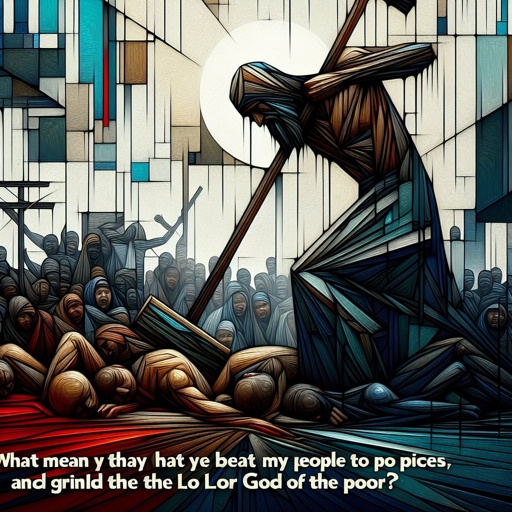
Isaiah 3:15 - "What mean ye that ye beat my people to pieces, and grind the faces of the poor? saith the Lord GOD of hosts."
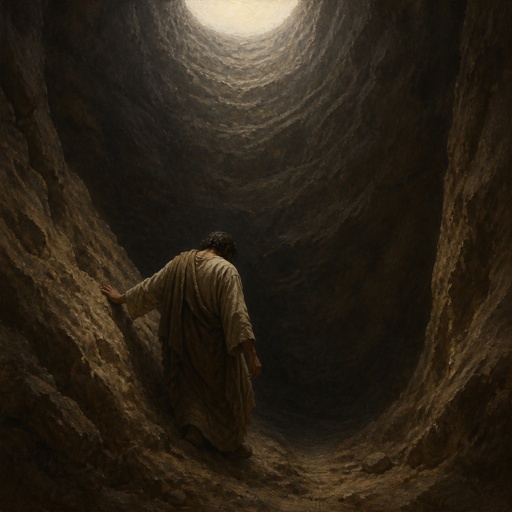
"Yet thou shalt be brought down to hell, to the sides of the pit." - Isaiah 14:15

John 3:14-15 - "And as Moses lifted up the serpent in the wilderness, even so must the Son of man be lifted up: That whosoever believeth in him should not perish, but have eternal life."

Isaiah 14:3 - "And it shall come to pass in the day that the LORD shall give thee rest from thy sorrow, and from thy fear, and from the hard bondage wherein thou wast made to serve,"

Isaiah 14:12

isaiah 5:14

Isaiah 14:25

Isaiah 14:14 - "I will ascend above the heights of the clouds; I will be like the most High."
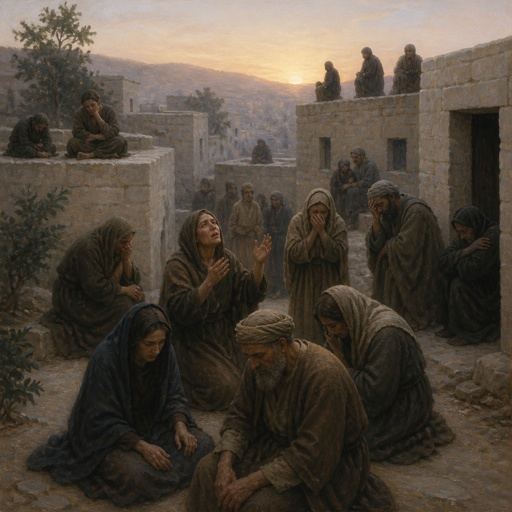
"In their streets they shall gird themselves with sackcloth: on the tops of their houses, and in their streets, every one shall howl, weeping abundantly." - Isaiah 15:3
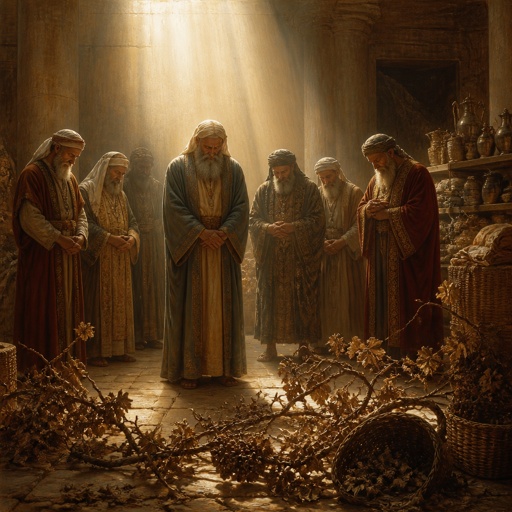
"The LORD will enter into judgment with the ancients of his people, and the princes thereof: for ye have eaten up the vineyard; the spoil of the poor is in your houses." - Isaiah 3:14
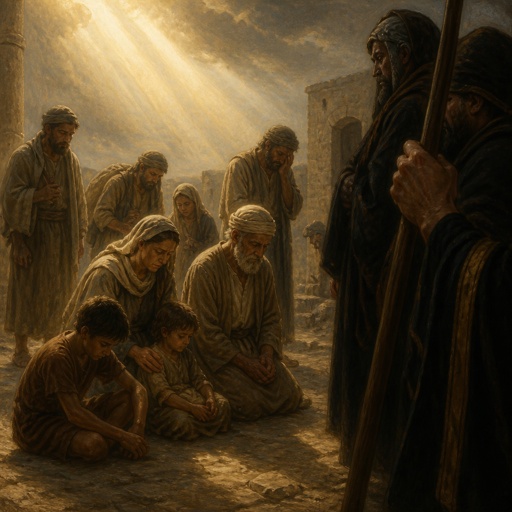
"What mean ye that ye beat my people to pieces, and grind the faces of the poor? saith the Lord GOD of hosts." - Isaiah 3:15

Isaiah 37:15 - "And Hezekiah prayed unto the LORD, saying,"

Genesis 15:14

2 Timothy 3:14-15 - "But as for you, continue in what you have learned and have become convinced of, because you know those from whom you learned it, and how from infancy you have known the Holy Scriptures, which are able to make you wise for salvation through faith in Christ Jesus."

Isaiah 14:28 - "In the year that king Ahaz died was this burden."

Isaiah 12:3
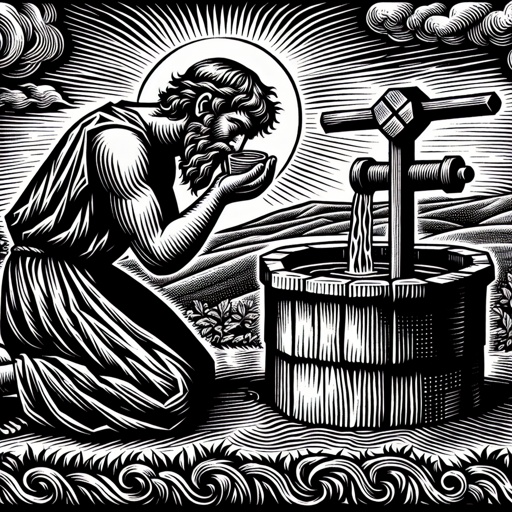
Isaiah 12:3

Isaiah 12:3

Isaiah 12:3

Isaiah 12:3

Isaiah 12:3

Isaiah 12:3

Isaiah 12:3

isaiah 44:3