What does Isaiah 3:2 mean?
“The mighty man, and the man of war, the judge, and the prophet, and the prudent, and the ancient,” — Isaiah 3:2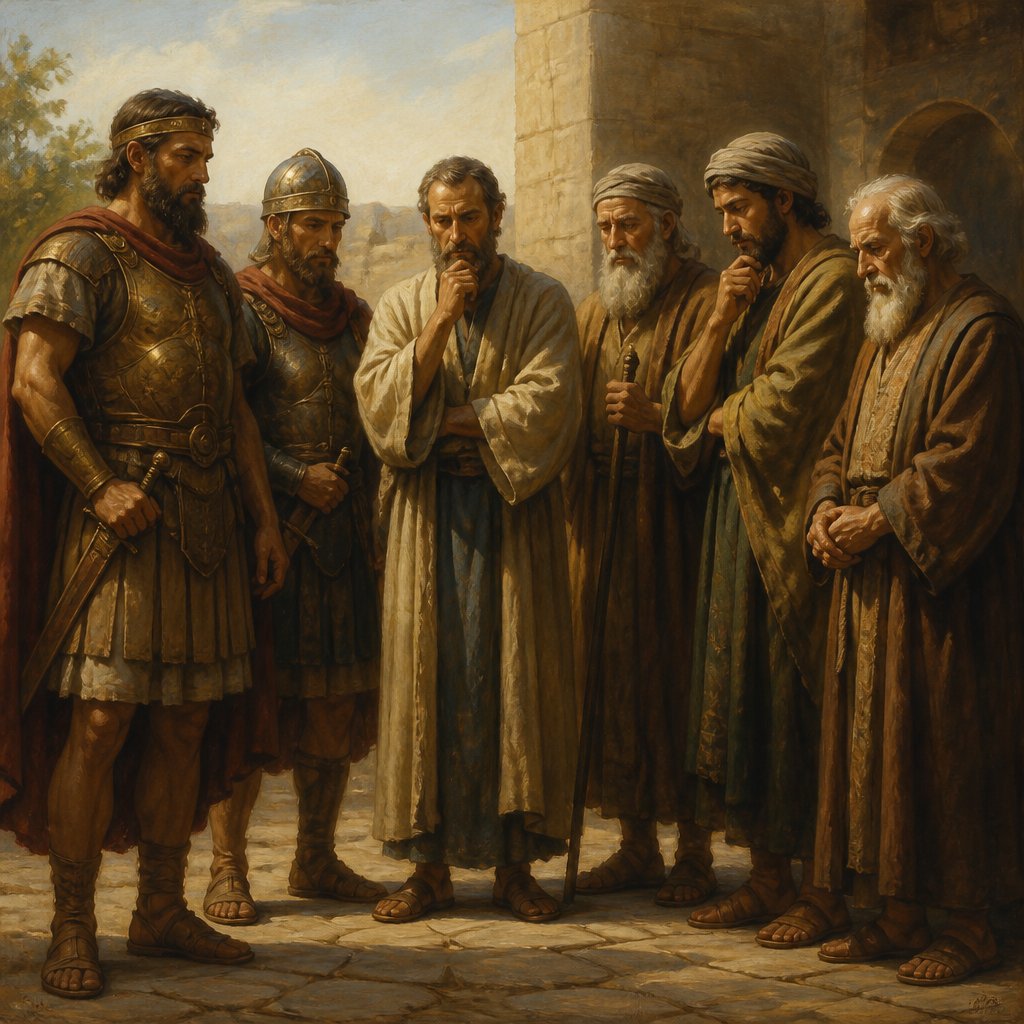
The Bible verse Isaiah 3:2 from the King James Version (KJV) states, "The mighty man, and the man of war, the judge, and the prophet, and the prudent, and the ancient." This verse is a part of the book of Isaiah, which is a major prophetic book in the Old Testament. In this verse, Isaiah is describing the state of the leadership in Israel, particularly during a time of moral and spiritual decline.
To fully understand the depth of this verse, it is important to consider the historical and cultural context in which it was written. During the time of Isaiah, Israel was facing the impending judgment of God due to their disobedience and moral decay. The nation was facing political instability, social injustice, and spiritual corruption. The leaders of the nation, including the mighty men, men of war, judges, prophets, and elders, were failing in their responsibilities and were contributing to the overall moral decline of the nation.
The mention of "the mighty man and the man of war" in this verse refers to the military leaders who were responsible for protecting the nation. However, instead of leading with integrity and righteousness, they were likely engaging in oppression, corruption, and violence. This highlights the moral decay and lack of justice within the leadership of Israel.
The mention of "the judge and the prophet" emphasizes the failure of both the judicial and religious leadership. Judges were responsible for upholding the law and ensuring justice for the people, but they too had become corrupt and unjust. The prophets, who were supposed to speak the word of God and guide the people, had also turned away from their divine calling and were no longer leading the people in the ways of righteousness.
The term "the prudent and the ancient" refers to the wise and experienced elders of the community. These were the individuals who were expected to offer sound counsel and guidance based on their wisdom and knowledge. However, even they had fallen short of their responsibilities, contributing to the overall leadership crisis in the nation.
Overall, this verse serves as a powerful condemnation of the failure of leadership in Israel. It highlights the reality of moral and spiritual decay within the nation and the consequential impact it had on the overall well-being of the people. The verse issues a call for repentance and a turning back to God in order to restore righteousness and justice within the leadership and the nation as a whole.
From a thematic perspective, this verse underscores the importance of ethical and just leadership. It serves as a warning against the dangers of unrighteous and corrupt leadership, both in the political and religious spheres. The verse also emphasizes the need for spiritual discernment and the importance of seeking guidance from God rather than relying on flawed human leaders.
Symbolically, the mention of various types of leaders in this verse represents the comprehensive failure of leadership in every aspect of society. The inclusion of various categories of leaders, such as military, judicial, religious, and elder, paints a picture of a society in which no aspect of leadership was untouched by corruption and moral decay. This serves as a cautionary tale for all societies and generations to prioritize ethical leadership and to seek God's guidance in all areas of life.
In conclusion, Isaiah 3:2 from the King James Version is a powerful and sobering verse that addresses the failure of leadership in Israel during a time of moral and spiritual decline. It highlights the consequential impact of unrighteous leadership and the need for repentance and a return to righteousness. This verse serves as a timeless reminder of the importance of ethical and just leadership, and the need to seek guidance from God in all aspects of life and society.
Get our apps


Artwork for Isaiah 3:2

Isaiah 3:2 - "The mighty man, and the man of war, the judge, and the prophet, and the prudent, and the ancient,"
"The mighty man, and the man of war, the judge, and the prophet, and the prudent, and the ancient," - Isaiah 3:2

Isaiah 53:2-3 depiction of Jesus Christ

isaiah 32:2-3 emphasis on Jesus Christ being unnatractive

Isaiah 12:3
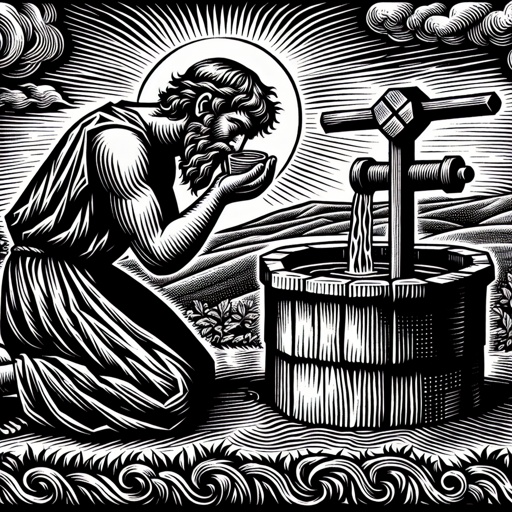
Isaiah 12:3

Isaiah 12:3

Isaiah 12:3

Isaiah 12:3

Isaiah 12:3

Isaiah 12:3

Isaiah 12:3

isaiah 44:3

Isaiah 12:3

Isaiah 12:3

Isaiah 12:3

Isaiah 12:3

Isaiah 12:3

Isaiah 12:3

Isaiah 12:3

Isaiah 26:3

Isaiah 12:3
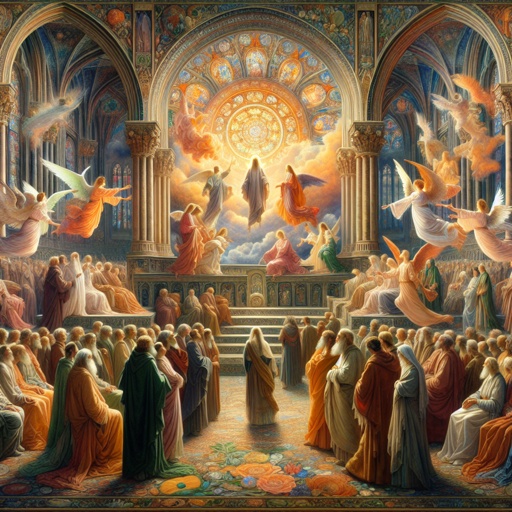
Isaiah 12:3

Isaiah 12:3

Isaiah 12:3

Isaiah 12:3

Isaiah 12:3

Isaiah 12:3

Isaiah 12:3

Isaiah 12:3