What does Isaiah 40:1-2 mean?
“Comfort ye, comfort ye my people, saith your God. Speak ye comfortably to Jerusalem, and cry unto her, that her warfare is accomplished, that her iniquity is pardoned: for she hath received of the LORD’s hand double for all her sins.” — Isaiah 40:1-2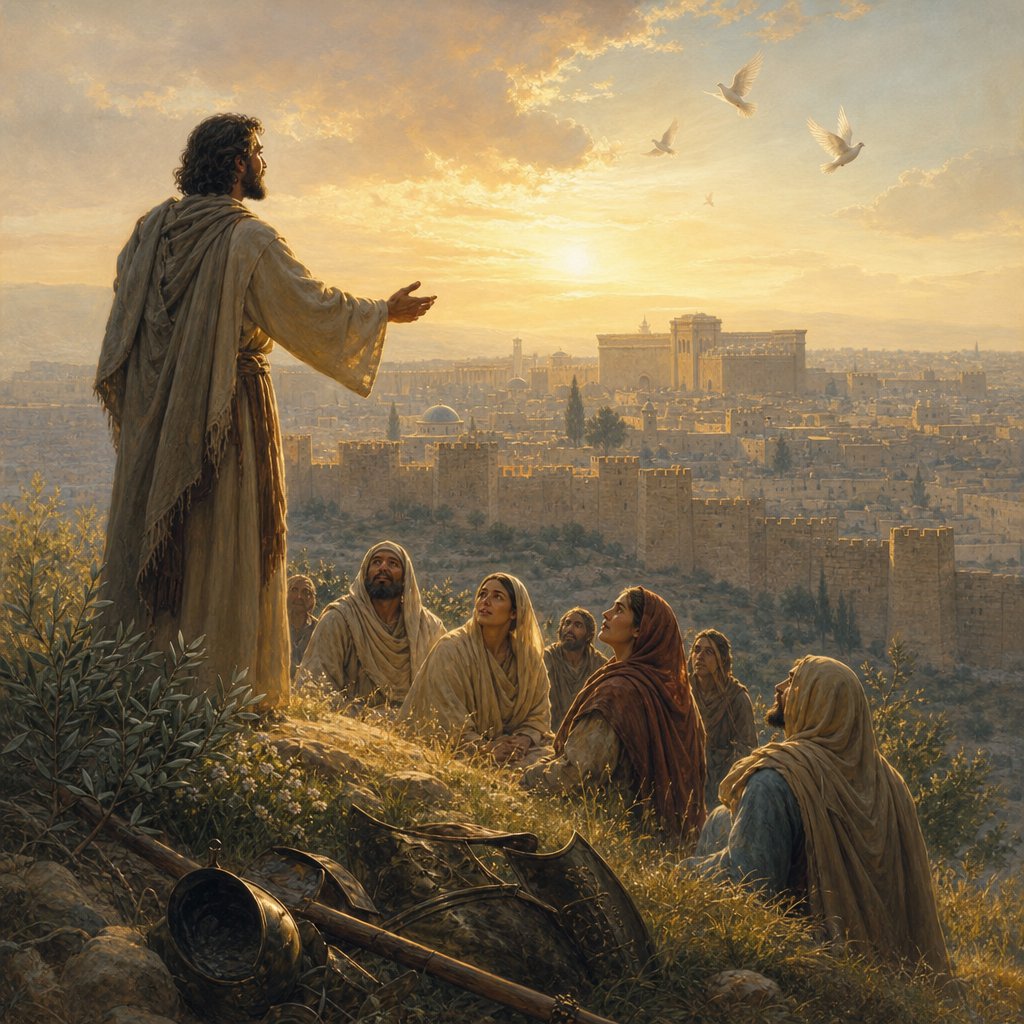
Isaiah 40:1-2 (KJV): "Comfort ye, comfort ye my people, saith your God. Speak ye comfortably to Jerusalem, and cry unto her, that her warfare is accomplished, that her iniquity is pardoned: for she hath received of the Lord's hand double for all her sins."
The book of Isaiah is often considered the most poetic and profound of the prophetic books in the Bible. Written by the prophet Isaiah during a time of great upheaval and uncertainty for the people of Israel, the book contains messages of prophetic warnings, judgment, and ultimately, hope and comfort. In Isaiah 40:1-2, the prophet offers a message of comfort and reassurance to the Israelites, speaking on behalf of God.
The opening verse of chapter 40 marks a significant shift in tone from the previous chapters, which primarily focused on God's warnings of judgment and the consequences of Israel's disobedience. Here, the prophet speaks directly to "my people," conveying the message of God's compassion and concern for his chosen people. The use of repetition in the phrase "comfort ye, comfort ye" emphasizes the urgency and the depth of the comfort that is to be given to the people of Israel.
The exhortation to "speak comfortably to Jerusalem" suggests a gentle and tender approach, calling for words of encouragement and solace to be spoken to the city. This is in contrast to the previous messages of condemnation and judgment, indicating a shift in God's disposition towards his people. The mention of Jerusalem, as the capital city of Israel, represents the whole nation and its people, signifying that the message of comfort is intended for the entire nation.
The proclamation that "her warfare is accomplished, that her iniquity is pardoned" brings forth the themes of redemption and forgiveness. The language used here evokes the image of a weary nation, exhausted from the trials and tribulations of war and sin, finding respite and release from their burdens. This verse conveys the image of a nation that has suffered and labored, now being granted pardon and restoration by the divine grace of God.
The mention of receiving "double for all her sins" has been interpreted in various ways. Some understand it to mean that Israel has suffered enough for her sins and is now being granted double recompense in the form of forgiveness and restoration. Others interpret it as a reference to the ancient Jewish law of double restitution, suggesting that God's mercy will be abundant and overflowing, compensating for their past transgressions. Whichever interpretation is taken, the underlying message remains the same: God's grace and forgiveness are greater than the sins of his people.
In the broader context of the book of Isaiah, these verses mark the beginning of a section known as "Deutero-Isaiah," which is characterized by messages of hope, restoration, and the promise of a new exodus for the people of Israel. This section is often seen as a response to the looming threat of exile and the impending fall of Jerusalem, offering comfort and reassurance to the Israelites in the face of these adversities.
Symbolically, the message of comfort and forgiveness in these verses points to the overarching theme of redemption and restoration found throughout the Bible. It foreshadows the ultimate redemption that is brought about through the sacrificial death and resurrection of Jesus Christ, offering hope and comfort to all who are burdened by sin and suffering.
In conclusion, Isaiah 40:1-2 is a powerful declaration of God's compassion and mercy towards his people. It offers a message of comfort, assurance, and redemption, signaling a shift from judgment to grace. The imagery and themes presented in these verses resonate deeply with the human experience of suffering, sin, and the longing for reconciliation with God. The message is a timeless reminder of God's unfailing love and willingness to bring comfort and healing to all who seek it.
Get our apps


Artwork for Isaiah 40:1-2

Isaiah 40:1-2 - "Comfort ye, comfort ye my people, saith your God. Speak ye comfortably to Jerusalem, and cry unto her, that her warfare is accomplished, that her iniquity is pardoned: for she hath received of the LORD's hand double for all her sins."
"Comfort ye, comfort ye my people, saith your God. Speak ye comfortably to Jerusalem, and cry unto her, that her warfare is accomplished, that her iniquity is pardoned: for she hath received of the LORD's hand double for all her sins." - Isaiah 40:1-2

Isaiah 40:1 - "Comfort ye, comfort ye my people, saith your God."

Isaiah 40:4

"Comfort ye, comfort ye my people, saith your God." - Isaiah 40:1

Isaiah 40:26

Isaiah 40:10

isaiah 40:26

Isaiah 40:10

Isaiah 40:10

Isaiah 40: 22

Isaiah 40: 22

1 Chronicles 2:40 - "And Eleasah begat Sisamai, and Sisamai begat Shallum,"

Isaiah 40:2 - "Speak ye comfortably to Jerusalem, and cry unto her, that her warfare is accomplished, that her iniquity is pardoned: for she hath received of the LORD'S hand double for all her sins."

Isaiah 40:23 - "That bringeth the princes to nothing; he maketh the judges of the earth as vanity."

Isaiah 40:16 - "And Lebanon is not sufficient to burn, nor the beasts thereof sufficient for a burnt offering."

Isaiah 2:1 - "The word that Isaiah the son of Amoz saw concerning Judah and Jerusalem."

Isaiah 66:1-2

Isaiah 40:29 - "He giveth power to the faint; and to them that have no might he increaseth strength."

Isaiah 40:8 - "The grass withereth, the flower fadeth: but the word of our God shall stand for ever."

Isaiah 43:2

Isaiah 12:2

Isaiah 40:25 - "To whom then will ye liken me, or shall I be equal? saith the Holy One."

Isaiah 40:30 - "Even the youths shall faint and be weary, and the young men shall utterly fall:"

Isaiah 40:18 - "¶ To whom then will ye liken God? or what likeness will ye compare unto him?"

Isaiah 40:17 - "All nations before him are as nothing; and they are counted to him less than nothing, and vanity."

Isaiah 40:19 - "The workman melteth a graven image, and the goldsmith spreadeth it over with gold, and casteth silver chains."

Isaiah 40:7 - "The grass withereth, the flower fadeth: because the spirit of the LORD bloweth upon it: surely the people is grass."

"And Eleasah begat Sisamai, and Sisamai begat Shallum," - 1 Chronicles 2:40

Isaiah 40:5 - "And the glory of the LORD shall be revealed, and all flesh shall see it together: for the mouth of the LORD hath spoken it."