What does Isaiah 48:16 mean?
"Come ye near unto me, hear ye this; I have not spoken in secret from the beginning; from the time that it was, there am I: and now the Lord GOD, and his Spirit, hath sent me." - Isaiah 48:16
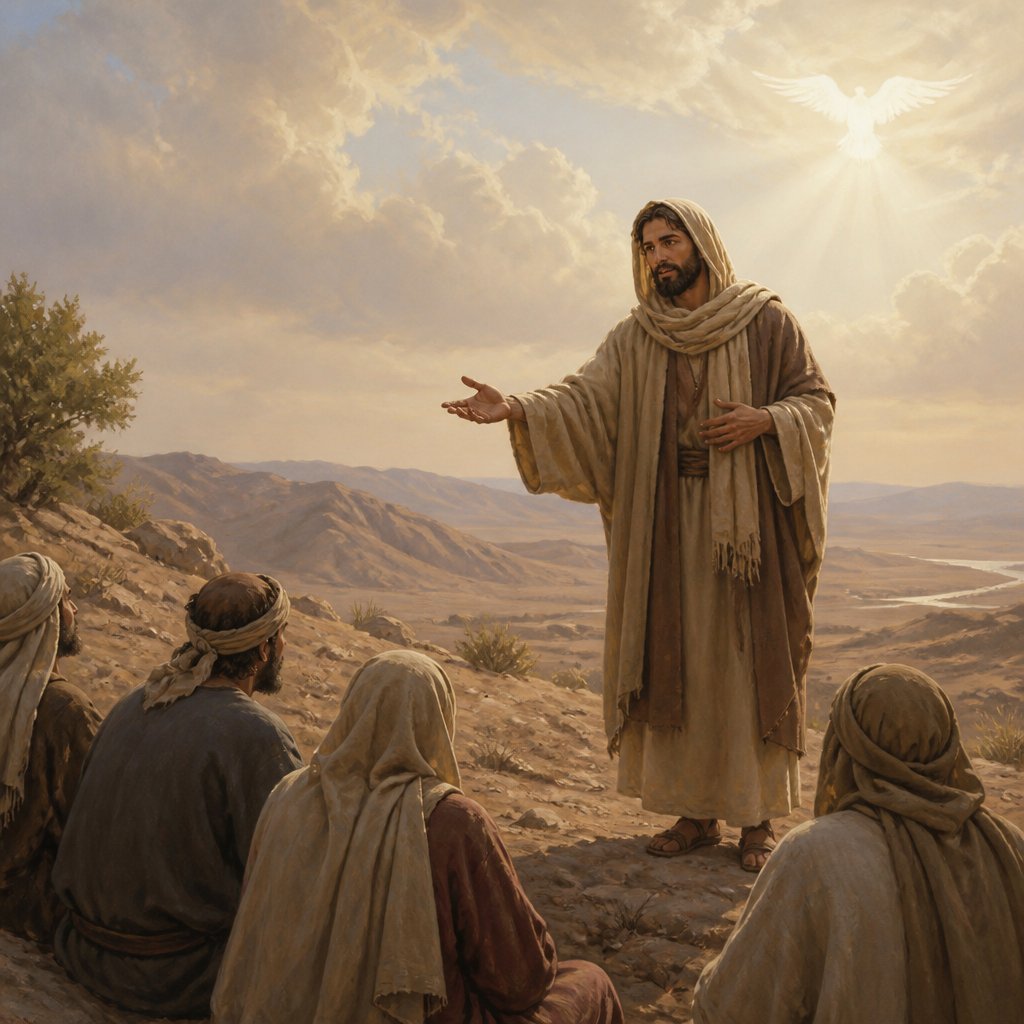
Isaiah 48:16 (KJV) reads, "Come ye near unto me, hear ye this; I have not spoken in secret from the beginning; from the time that it was, there am I: and now the Lord God, and his Spirit, hath sent me."
This verse is part of a prophecy given by the prophet Isaiah, who spoke the words of the Lord to the people of Israel. In this particular verse, the Lord is calling the people to draw near to Him and listen to what He has to say. The language is filled with urgency and importance, as the Lord wants the people to pay close attention to His message.
The verse begins with the Lord inviting the people to come near to Him. This invitation is a manifestation of God's desire for a close and intimate relationship with His people. It is a call to draw near in a spiritual sense, to listen attentively to His words, and to be open to receiving His message. This verse demonstrates that the Lord wants to communicate with His people and desires for them to be close to Him.
The next part of the verse emphasizes the fact that the Lord has not spoken in secret from the beginning. This is a declaration of the transparency and openness of the Lord's communication with His people. The Lord wants to make it clear that His words have always been accessible and available to His people. There is no hidden agenda or secret knowledge that is being kept from them. This transparency reflects the Lord's faithfulness and honesty in His relationship with His people.
The verse continues with the statement, "from the time that it was, there am I." This phrase highlights the eternal presence of the Lord in all of creation. It signifies that the Lord has been present from the very beginning of time and has always been involved in the affairs of the world. This serves as a reminder of the Lord's sovereignty and His constant presence in the lives of His people. It brings comfort and assurance that the Lord is always there, guiding and watching over His creation.
The latter part of the verse introduces the concept of the Lord God and His Spirit sending a messenger. This can be seen as a foreshadowing of the coming of Jesus Christ, who was sent by the Father and empowered by the Holy Spirit. This verse hints at the Trinity - the Father, the Son, and the Holy Spirit - all working together in sending a message to the people. This demonstrates the unity and cooperation within the Godhead in communicating with humanity.
Overall, this verse contains several themes and important concepts. It emphasizes the Lord's desire for a close and intimate relationship with His people, His transparency and openness in communication, His eternal presence in creation, and the unity within the Godhead. It serves as a powerful reminder of the faithfulness and sovereignty of the Lord and serves as an invitation for His people to draw near and listen to His message.
In a broader context, this verse is part of the book of Isaiah, which contains prophecies, words of judgment, and words of comfort for the people of Israel. The book addresses the faithlessness and disobedience of the Israelites, but also offers hope and restoration through the promise of a Messiah. This verse fits into this larger context by addressing the need for the people to listen to the Lord and be open to His message. It reflects the ongoing theme of the Lord's desire for a relationship with His people and His faithfulness in communicating with them.
Symbolically, this verse represents the invitation for all people to draw near to the Lord and listen to His message. It depicts the openness and accessibility of the Lord's communication with humanity, as well as His eternal presence and involvement in the world. It also symbolizes the unity within the Godhead and the sending of a messenger to deliver a message to the people. Overall, this verse carries deep symbolic meaning and serves as an invitation for all to draw near to the Lord and be open to receiving His message.
Have questions about Isaiah 48:16?
Dive deeper into this scripture with Bible Chat — an AI-powered tool for exploring God's Word through conversation. Ask questions, get context, and grow in your understanding of the Bible.
Get Our Apps


Isaiah 48:16 Artwork

Isaiah 48:16 - "¶ Come ye near unto me, hear ye this; I have not spoken in secret from the beginning; from the time that it was, there am I: and now the Lord GOD, and his Spirit, hath sent me."
"¶ Come ye near unto me, hear ye this; I have not spoken in secret from the beginning; from the time that it was, there am I: and now the Lord GOD, and his Spirit, hath sent me." - Isaiah 48:16

Isaiah 48

Isaiah 48

Isaiah 48

Isaiah 48

Isaiah 48:5

Isaiah 48:5

Isaiah 48:5

Isaiah 48:5

Isaiah 48:22 - "There is no peace, saith the LORD, unto the wicked."

Numbers 16:48 - "And he stood between the dead and the living; and the plague was stayed."

Jeremiah 48:16 - "The calamity of Moab is near to come, and his affliction hasteth fast."

"There is no peace, saith the LORD, unto the wicked." - Isaiah 48:22

Isaiah 48:10 - "Behold, I have refined thee, but not with silver; I have chosen thee in the furnace of affliction."

Isaiah 48:4 - "Because I knew that thou art obstinate, and thy neck is an iron sinew, and thy brow brass;"

Isaiah 48:2 - "For they call themselves of the holy city, and stay themselves upon the God of Israel; The LORD of hosts is his name."

Isaiah 48:18 - "O that thou hadst hearkened to my commandments! then had thy peace been as a river, and thy righteousness as the waves of the sea:"

Isaiah 48:9 - "¶ For my name's sake will I defer mine anger, and for my praise will I refrain for thee, that I cut thee not off."

Isaiah 48:12 - "¶ Hearken unto me, O Jacob and Israel, my called; I am he; I am the first, I also am the last."

"And he stood between the dead and the living; and the plague was stayed." - Numbers 16:48

Isaiah 48:7 - "They are created now, and not from the beginning; even before the day when thou heardest them not; lest thou shouldest say, Behold, I knew them."

Isaiah 48:15 - "I, even I, have spoken; yea, I have called him: I have brought him, and he shall make his way prosperous."

Isaiah 48:11 - "For mine own sake, even for mine own sake, will I do it: for how should my name be polluted? and I will not give my glory unto another."
"The calamity of Moab is near to come, and his affliction hasteth fast." - Jeremiah 48:16

Isaiah 48:13 - "Mine hand also hath laid the foundation of the earth, and my right hand hath spanned the heavens: when I call unto them, they stand up together."

Isaiah 48:21 - "And they thirsted not when he led them through the deserts: he caused the waters to flow out of the rock for them: he clave the rock also, and the waters gushed out."

Isaiah 48:5 A highly conceptual and symbolic representation of Isaiah 48:5. Visualize a vast, ancient timepiece or scroll that is simultaneously unrolling into the present moment. The scroll is emanating a brilliant, glowing light which is eclipsing shadowed, shattered fragments of carved wood and broken metal idols scattered at the base of the image. The style should be highly detailed, luminous, and inspired by Baroque painting, emphasizing dramatic contrast (chiaroscuro) between the divine light and the darkness of human-made deities.

Isaiah 48:3 - "I have declared the former things from the beginning; and they went forth out of my mouth, and I shewed them; I did them suddenly, and they came to pass."

Ezekiel 16:48 - "As I live, saith the Lord GOD, Sodom thy sister hath not done, she nor her daughters, as thou hast done, thou and thy daughters."