What does Isaiah 5:4 mean?
"What could have been done more to my vineyard, that I have not done in it? wherefore, when I looked that it should bring forth grapes, brought it forth wild grapes?" - Isaiah 5:4
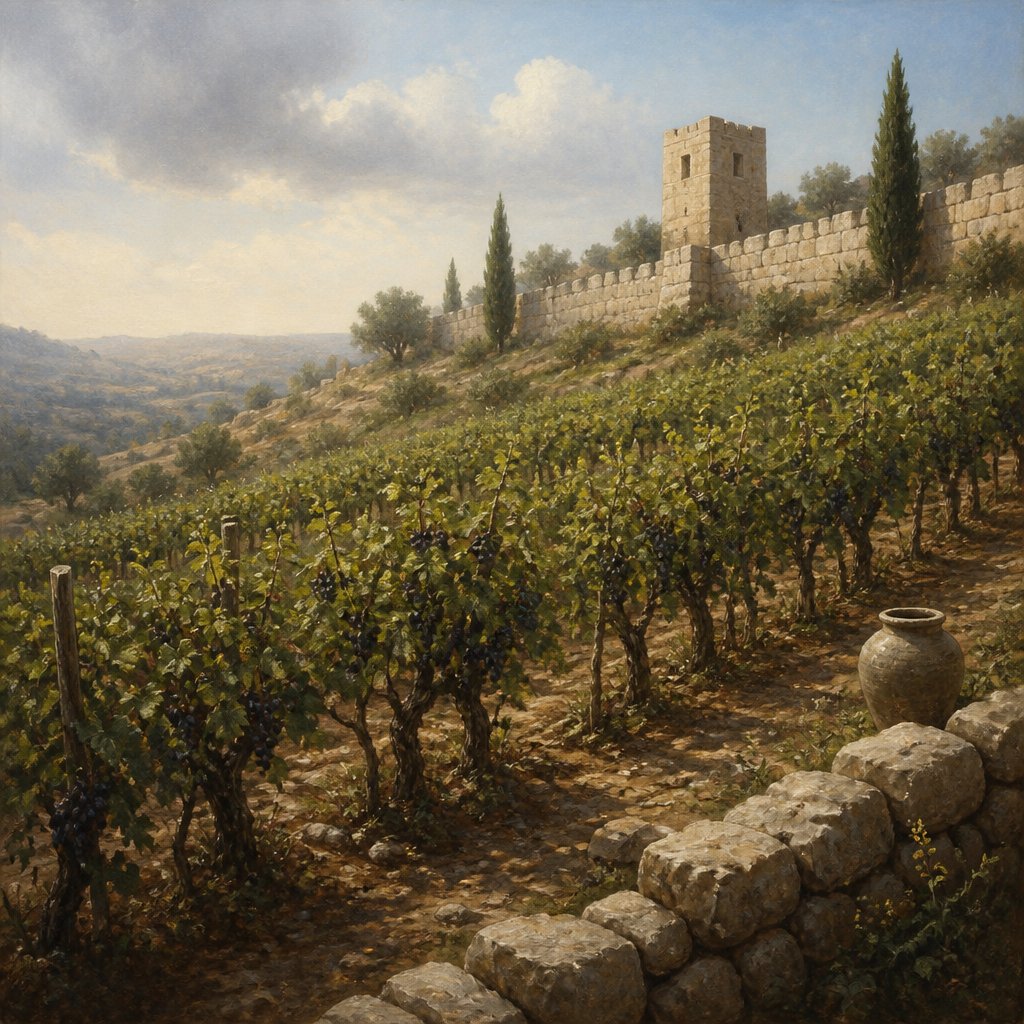
The Bible verse Isaiah 5:4 from the King James Version (KJV) is a powerful and thought-provoking passage that offers deep insight into the relationship between God and His people. The verse reads: "What could have been done more to my vineyard, that I have not done in it? wherefore, when I looked that it should bring forth grapes, brought it forth wild grapes?"
In this verse, the prophet Isaiah uses the metaphor of a vineyard to represent the people of Israel and their relationship with God. The vineyard symbolizes the care and attention that God has lavished on His people, providing all that is necessary for them to thrive and bear fruit. The "wild grapes" that the vineyard produces signify the disobedience and unfaithfulness of the people in response to God's love and provision.
The theme of God's faithfulness and the unfaithfulness of His people is central to this verse. God, represented as the owner of the vineyard, has done everything possible to ensure that His people have all they need to live in obedience and faithfulness. The question posed in the verse reflects the bewilderment and disappointment of God as He contemplates the actions of His people. Despite His best efforts, they have failed to live up to His expectations and have strayed from His will.
The context of this verse is important for understanding its significance. In the preceding verses, Isaiah presents a parable in which a landowner (God) prepares a vineyard (Israel) with great care, yet it produces only wild grapes. The prophet goes on to explain that the vineyard represents the house of Israel and the men of Judah, and the wild grapes symbolize the injustice and unrighteousness that they have produced. This serves as a powerful rebuke to the people for their disobedience and rejection of God's ways.
The broader context of the book of Isaiah also sheds light on the significance of this verse. Throughout the book, Isaiah serves as a messenger of God, delivering both warnings of judgment and messages of hope. The overarching theme of God's sovereignty, justice, and mercy is woven throughout the book, and Isaiah 5:4 is a poignant example of the prophetic message calling for repentance and faithfulness to God.
The symbolism in this verse is rich and profound. The vineyard represents the people of Israel, who have been carefully nurtured and provided for by God. The grapes symbolize the fruit that God expects from His people – righteousness, justice, and obedience. The contrast between the expected "grapes" and the produced "wild grapes" serves as a powerful illustration of the disappointment and frustration of God in response to the unfaithfulness of His people.
In conclusion, Isaiah 5:4 from the King James Version of the Bible is a poignant reflection on the relationship between God and His people. It serves as a reminder of God's faithfulness and provision, as well as the responsibility of His people to respond with love, obedience, and faithfulness. The verse also offers a timeless call to repentance and a reminder of the consequences of disobedience. It is a powerful and deeply meaningful passage that continues to resonate with believers today.
Have questions about Isaiah 5:4?
Dive deeper into this scripture with Bible Chat — an AI-powered tool for exploring God's Word through conversation. Ask questions, get context, and grow in your understanding of the Bible.
Get Our Apps


Isaiah 5:4 Artwork

Isaiah 5:4 - "What could have been done more to my vineyard, that I have not done in it? wherefore, when I looked that it should bring forth grapes, brought it forth wild grapes?"
"What could have been done more to my vineyard, that I have not done in it? wherefore, when I looked that it should bring forth grapes, brought it forth wild grapes?" - Isaiah 5:4

Isaiah 4:5 - "And the LORD will create upon every dwelling place of mount Zion, and upon her assemblies, a cloud and smoke by day, and the shining of a flaming fire by night: for upon all the glory shall be a defence."

Isaiah 37:5 - "So the servants of king Hezekiah came to Isaiah."

Isaiah 38:4 - "¶ Then came the word of the LORD to Isaiah, saying,"

Isaiah 39:5 - "Then said Isaiah to Hezekiah, Hear the word of the LORD of hosts:"

Isaiah 5:21

Isaiah 53:5

Isaiah 5:21

Isaiah 6:1-5

Isaiah 6:1-5

Isaiah 6:1-5

Isaiah 6:1-5

Isaiah 48:5

isaiah 5:14

Isaiah 48:5

Isaiah 48:5

Isaiah 6:5

Isaiah 6:5

Isaiah 48:5

Isaiah 40:4

Isaiah 29:4

Isaiah 45:5-6

Isaiah 29:4

"So the servants of king Hezekiah came to Isaiah." - Isaiah 37:5

Isaiah 45:5-6

Isaiah 56:3-5

"¶ Then came the word of the LORD to Isaiah, saying," - Isaiah 38:4

Isaiah 53:4-5 - "Surely he hath borne our griefs, and carried our sorrows: yet we did esteem him stricken, smitten of God, and afflicted. But he was wounded for our transgressions, he was bruised for our iniquities: the chastisement of our peace was upon him; and with his stripes we are healed."

Isaiah 9:1-4