What does Isaiah 53:6 mean?
“All we like sheep have gone astray; we have turned every one to his own way; and the LORD hath laid on him the iniquity of us all.” — Isaiah 53:6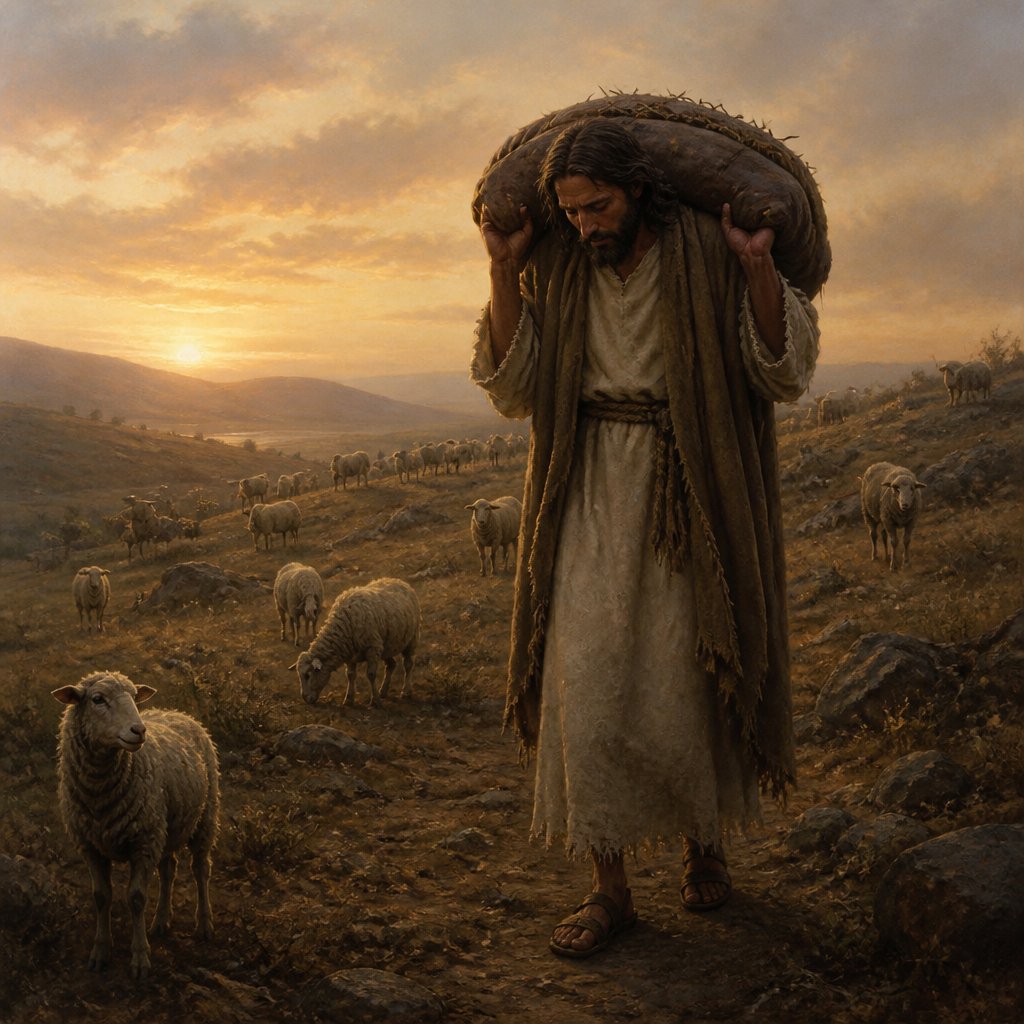
Isaiah 53:6 in the King James Version of the Bible reads, "All we like sheep have gone astray; we have turned every one to his own way; and the Lord hath laid on him the iniquity of us all."
This verse is part of a larger passage known as the "Suffering Servant" passage in the Book of Isaiah. This particular section of the book is often seen as a prophecy about the coming of Jesus Christ and the redemptive work he would accomplish through his life, death, and resurrection. The verse carries significant weight and meaning, serving as a powerful reminder of the human condition, the grace of God, and the sacrifice of Jesus.
The opening phrase, "All we like sheep have gone astray," speaks to the inherent sinful nature of humanity. In the Bible, sheep are often used as a metaphor for the people of God, emphasizing their reliance on a shepherd for guidance and protection. The comparison to sheep going astray underscores the universal fallen state of humanity. Just as sheep are prone to wandering off and getting lost, so too are humans prone to sin and turning away from God's path for their lives.
The next part of the verse, "we have turned every one to his own way," emphasizes the self-centered nature of humanity. This speaks to the inclination of individuals to prioritize their own desires and interests above God's will. The pursuit of selfish desires and the rejection of God's authority characterize the sinful state of humanity. This rebellion against God's perfect will sets the stage for the need for redemption and restoration.
In the latter part of the verse, the sacrificial tone is introduced with the declaration, "and the Lord hath laid on him the iniquity of us all." This foreshadows the redemptive work of Jesus Christ on the cross. The phrase "the iniquity of us all" refers to the collective sin and guilt of humanity. In a stunning display of grace and love, God lays this burden of sin upon the Suffering Servant, who is ultimately understood to be Jesus Christ. This act of substitutionary atonement demonstrates God's desire to reconcile humanity to himself, despite their waywardness and rebellion.
The themes present in Isaiah 53:6 resonate throughout the Bible and are central to the Christian faith. The verse addresses the universal brokenness and sinfulness of humanity, the self-centeredness that separates individuals from God, and ultimately, the redemptive work of Jesus Christ on the cross. It serves as a poignant reminder of God's boundless love and mercy in taking on the sins of the world in order to bring about reconciliation and redemption.
The historical context of Isaiah 53:6 is also significant. The book of Isaiah was written during a tumultuous time in Israel's history, during the period of the divided kingdom and the looming threat of the Assyrian empire. The prophet Isaiah ministered primarily to the southern kingdom of Judah, calling the people to repentance and faithfulness to God. The Suffering Servant passage, including Isaiah 53:6, was likely written to offer hope and reassurance to the people of Israel, pointing forward to the ultimate deliverance and salvation that would come through the promised Messiah.
Symbolism plays a major role in this verse as well. The imagery of sheep going astray serves as a powerful metaphor for the human condition, highlighting our tendency to stray from God's path and our need for a shepherd to guide us back. The concept of the Lord laying the iniquity of humanity on the Suffering Servant symbolizes the sacrificial work of Jesus Christ, who bore the sins of the world on the cross in order to bring about reconciliation and redemption.
In conclusion, Isaiah 53:6 is a profound and weighty verse that encapsulates key themes of sin, redemption, and atonement. It provides a powerful reflection on the fallen state of humanity, the grace and love of God, and the sacrificial work of Jesus Christ. This verse continues to be a source of comfort and hope for Christians, serving as a reminder of the depth of God's love and the transformative power of the gospel.
Get our apps


Artwork for Isaiah 53:6

Isaiah 53:6 - "All we like sheep have gone astray; we have turned every one to his own way; and the LORD hath laid on him the iniquity of us all."
"All we like sheep have gone astray; we have turned every one to his own way; and the LORD hath laid on him the iniquity of us all." - Isaiah 53:6

Isaiah 53

Isaiah: 53

Isaiah 53

Isaiah 53

Isaiah 53

Isaiah 53:5

isaiah 53 1

Isaiah 53:2

Isaiah 53 3 illustration

Isaiah 53:1 - "Who hath believed our report? and to whom is the arm of the LORD revealed?"

Isaiah 53:2-3 depiction of Jesus Christ


1 Chronicles 6:53 - "Zadok his son, Ahimaaz his son."

Mark 6:53 - "And when they had passed over, they came into the land of Gennesaret, and drew to the shore."

Isaiah 53:5 - "But he was wounded for our transgressions, he was bruised for our iniquities: the chastisement of our peace was upon him; and with his stripes we are healed."

Isaiah 53:9 - "And he made his grave with the wicked, and with the rich in his death; because he had done no violence, neither was any deceit in his mouth."

Isaiah 53:4 - "¶ Surely he hath borne our griefs, and carried our sorrows: yet we did esteem him stricken, smitten of God, and afflicted."

"For he shall grow up before him as a tender plant, and as a root out of a dry ground: he hath no form nor comeliness; and when we shall see him, there is no beauty that we should desire him." - Isaiah 53:2

"For he shall grow up before him as a tender plant, and as a root out of a dry ground: he hath no form nor comeliness; and when we shall see him, there is no beauty that we should desire him." - Isaiah 53:2

Isaiah 53:11 - "He shall see of the travail of his soul, and shall be satisfied: by his knowledge shall my righteous servant justify many; for he shall bear their iniquities."

"Who hath believed our report? and to whom is the arm of the LORD revealed?" - Isaiah 53:1

Isaiah 53:3 - "He is despised and rejected of men; a man of sorrows, and acquainted with grief: and we hid as it were our faces from him; he was despised, and we esteemed him not."

"But he was wounded for our transgressions, he was bruised for our iniquities: the chastisement of our peace was upon him; and with his stripes we are healed." - Isaiah 53:5

"Zadok his son, Ahimaaz his son." - 1 Chronicles 6:53

Isaiah 53:8 - "He was taken from prison and from judgment: and who shall declare his generation? for he was cut off out of the land of the living: for the transgression of my people was he stricken."

Isaiah 53:7 - "He was oppressed, and he was afflicted, yet he opened not his mouth: he is brought as a lamb to the slaughter, and as a sheep before her shearers is dumb, so he openeth not his mouth."

Psalms 53:6 - "Oh that the salvation of Israel were come out of Zion! When God bringeth back the captivity of his people, Jacob shall rejoice, and Israel shall be glad."
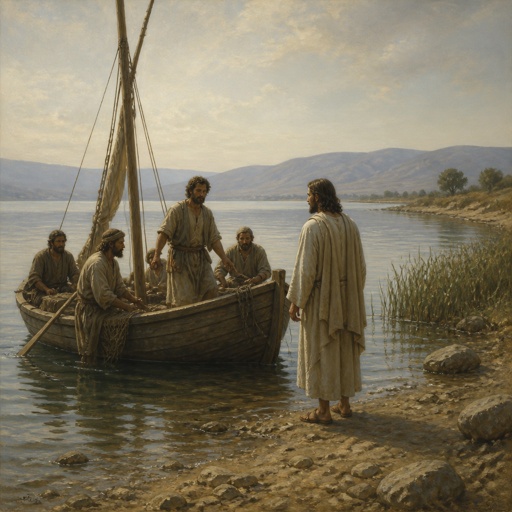
"And when they had passed over, they came into the land of Gennesaret, and drew to the shore." - Mark 6:53