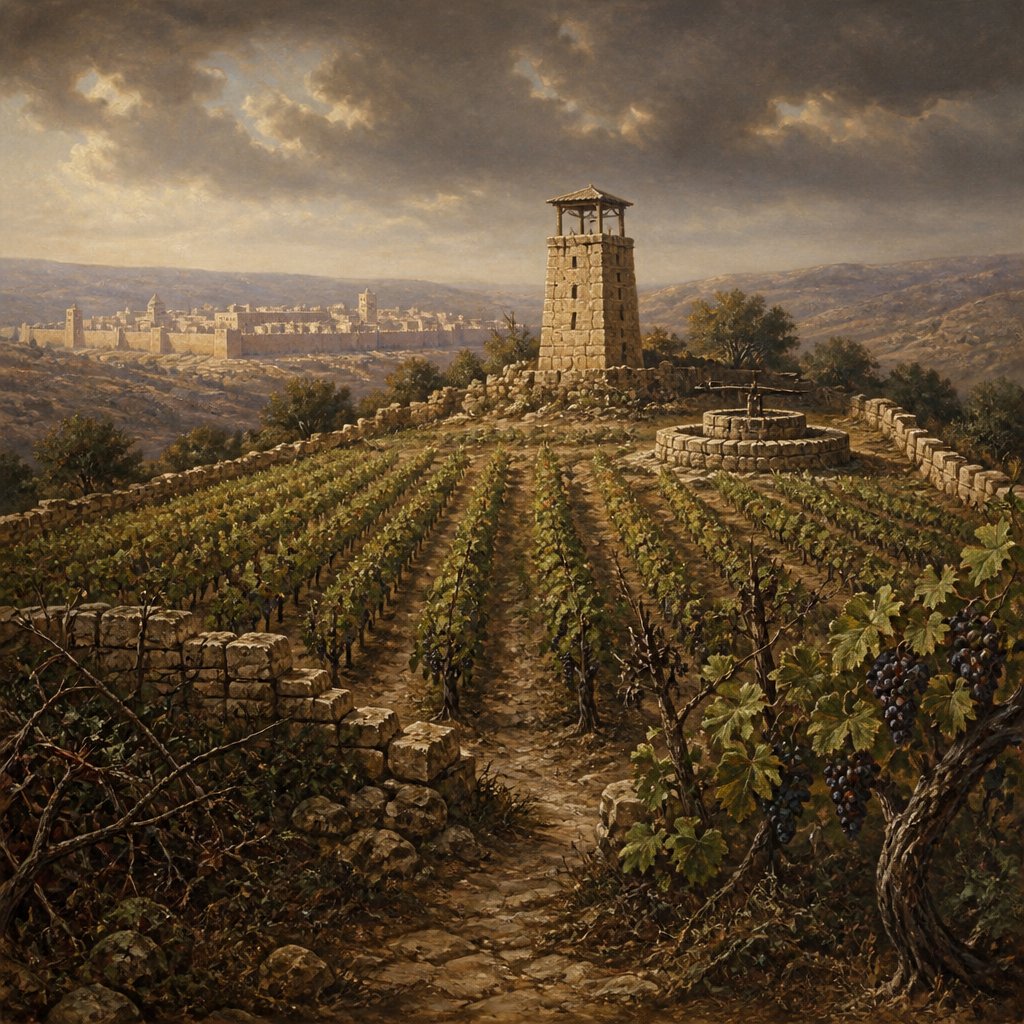
Isaiah 5:1-7 in the King James Version of the Bible reads: "Now will I sing to my wellbeloved a song of my beloved touching his vineyard. My wellbeloved hath a vineyard in a very fruitful hill: And he fenced it, and gathered out the stones thereof, and planted it with the choicest vine, and built a tower in the midst of it, and also made a winepress therein: and he looked that it should bring forth grapes, and it brought forth wild grapes. And now, O inhabitants of Jerusalem, and men of Judah, judge, I pray you, betwixt me and my vineyard. What could have been done more to my vineyard, that I have not done in it? Wherefore, when I looked that it should bring forth grapes, brought it forth wild grapes? And now go to; I will tell you what I will do to my vineyard: I will take away the hedge thereof, and it shall be eaten up; and break down the wall thereof, and it shall be trodden down: And I will lay it waste: it shall not be pruned, nor digged; but there shall come up briers and thorns: I will also command the clouds that they rain no rain upon it. For the vineyard of the Lord of hosts is the house of Israel, and the men of Judah his pleasant plant: and he looked for judgment, but behold oppression; for righteousness, but behold a cry."
This passage from the book of Isaiah is one of the prophet's most famous and powerful parables. It uses the metaphor of a vineyard to symbolize the people of Israel and their relationship with God. In it, God is the owner of a vineyard, and the vineyard is his chosen people. The lush, fruitful hill symbolizes the fertile land that God has given to his people, and the vineyard itself represents the people of Israel.
God took great care in preparing the vineyard, clearing it of stones, planting the choicest vines, and building a tower and a winepress. These actions symbolize the blessings, protection, and guidance that God has bestowed upon the Israelites. However, despite God's careful cultivation, the vineyard produces "wild grapes" instead of the expected good fruit. This failure represents the people's disobedience and unfaithfulness to God's covenant.
The prophet Isaiah uses this allegory to address the people of Jerusalem and Judah, challenging them to judge between God and his vineyard. He asks them what more could have been done to the vineyard, emphasizing God's love and care for his people. The fact that the vineyard failed to produce good fruit despite God's efforts illustrates the people's failure to live in accordance with God's will and commandments.
As a result of the vineyard's failure, God declares his intention to abandon the vineyard and allow it to be overrun by briers and thorns. This is a metaphor for the impending judgment and punishment that will befall the unfaithful people of Israel. The prophet warns that God will remove his protection and blessings from the vineyard, allowing it to be trampled and laid waste. This serves as a warning of the consequences of disobedience and unfaithfulness.
The passage concludes by explicitly connecting the vineyard to the house of Israel and the men of Judah. It highlights God's disappointment in his people's failure to uphold justice and righteousness, instead finding oppression and a cry for help. The imagery of the vineyard being laid waste and deprived of rain symbolizes the impending judgment and punishment that the Israelites will face due to their unfaithfulness.
Overall, Isaiah 5:1-7 serves as a powerful and poignant warning to the people of Israel, urging them to reflect on their relationship with God and repent of their disobedience. The parable of the vineyard conveys the depth of God's love and care for his people, as well as the seriousness of their disobedience and its consequences. It serves as a timeless reminder of the importance of remaining faithful to God and living according to his will, as well as a call to repentance and renewal.
Get our apps


Artwork for Isaiah 5:1-7

Isaiah 5:1-7 - "Now let me sing to my Well-beloved a song of my Beloved regarding His vineyard: My Well-beloved has a vineyard on a very fruitful hill. He dug it up and cleared out its stones, and planted it with the choicest vine. He built a tower in its midst, and also made a winepress in it; so He expected it to bring forth good grapes, but it brought forth wild grapes. “And now, O inhabitants of Jerusalem and men of Judah, judge, please, between Me and My vineyard. What more could have been done to My vineyard that I have not done in it? Why then, when I expected it to bring forth good grapes, did it bring forth wild grapes? And now, please let Me tell you what I will do to My vineyard: I will take away its hedge, and it shall be burned; and break down its wall, and it shall be trampled down. I will lay it waste; it shall not be pruned or dug, but there shall come up briers and thorns. I will also command the clouds that they rain no rain on it.” For the vineyard of the Lord of hosts is the house of Israel, and the men of Judah are His pleasant plant. He looked for justice, but behold, oppression; for righteousness, but behold, a cry for help."
"Now let me sing to my Well-beloved a song of my Beloved regarding His vineyard: My Well-beloved has a vineyard on a very fruitful hill. He dug it up and cleared out its stones, and planted it with the choicest vine. He built a tower in its midst, and also made a winepress in it; so He expected it to bring forth good grapes, but it brought forth wild grapes. “And now, O inhabitants of Jerusalem and men of Judah, judge, please, between Me and My vineyard. What more could have been done to My vineyard that I have not done in it? Why then, when I expected it to bring forth good grapes, did it bring forth wild grapes? And now, please let Me tell you what I will do to My vineyard: I will take away its hedge, and it shall be burned; and break down its wall, and it shall be trampled down. I will lay it waste; it shall not be pruned or dug, but there shall come up briers and thorns. I will also command the clouds that they rain no rain on it.” For the vineyard of the Lord of hosts is the house of Israel, and the men of Judah are His pleasant plant. He looked for justice, but behold, oppression; for righteousness, but behold, a cry for help." - Isaiah 5:1-7

Isaiah 6:1-5

Isaiah 6:1-5

Isaiah 5:1 - "Now will I sing to my wellbeloved a song of my beloved touching his vineyard. My wellbeloved hath a vineyard in a very fruitful hill:"

Isaiah 6:1-5

Isaiah 6:1-5

Isaiah 48:5

Isaiah 48:5

Isaiah 56:3-5

Isaiah 7:5 - "Because Syria, Ephraim, and the son of Remaliah, have taken evil counsel against thee, saying,"

Isaiah 49 1-7

Isaiah5:5-7

1 Peter 5:7

Isaiah 5:7 - "For the vineyard of the LORD of hosts is the house of Israel, and the men of Judah his pleasant plant: and he looked for judgment, but behold oppression; for righteousness, but behold a cry."

1 Peter 5:7

1 Peter 5:6-7

1 Timothy 5:7 - "And these things give in charge, that they may be blameless."

1 Peter 5:6-7
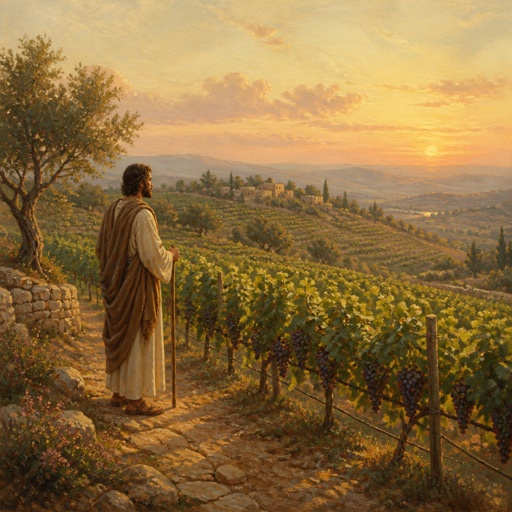
"Now will I sing to my wellbeloved a song of my beloved touching his vineyard. My wellbeloved hath a vineyard in a very fruitful hill:" - Isaiah 5:1

1 Thessalonians 5:7 - "For they that sleep sleep in the night; and they that be drunken are drunken in the night."

1 Peter 5:7 - "Casting all your care upon him; for he careth for you."

Isaiah 1:5 - "¶ Why should ye be stricken any more? ye will revolt more and more: the whole head is sick, and the whole heart faint."
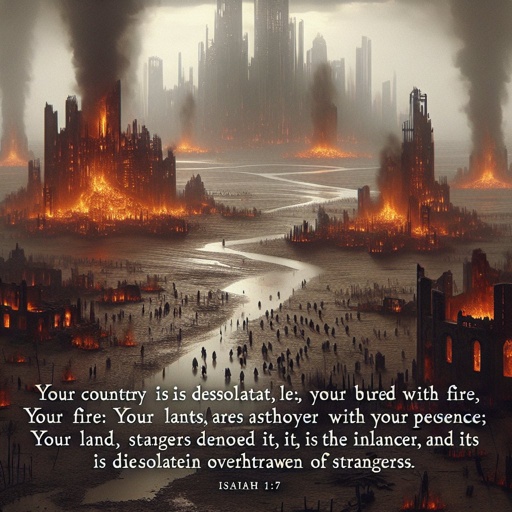
Isaiah 1:7 - "Your country is desolate, your cities are burned with fire: your land, strangers devour it in your presence, and it is desolate, as overthrown by strangers."
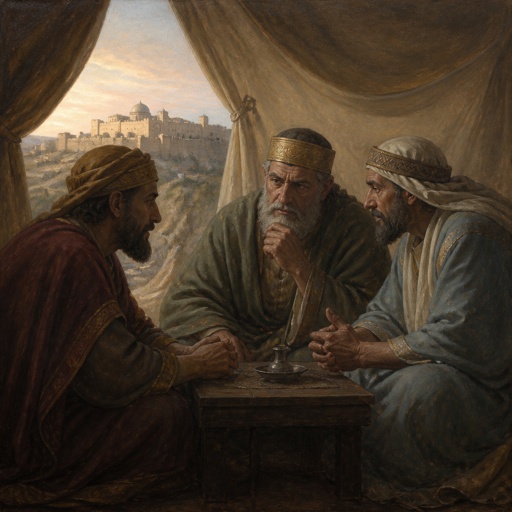
"Because Syria, Ephraim, and the son of Remaliah, have taken evil counsel against thee, saying," - Isaiah 7:5

Isaiah 37:5 - "So the servants of king Hezekiah came to Isaiah."

1 John 5:7 - "For there are three that bear record in heaven, the Father, the Word, and the Holy Ghost: and these three are one."

1 Kings 7:5 - "And all the doors and posts were square, with the windows: and light was against light in three ranks."

Isaiah 39:5 - "Then said Isaiah to Hezekiah, Hear the word of the LORD of hosts:"

1 Chronicles 5:7 - "And his brethren by their families, when the genealogy of their generations was reckoned, were the chief, Jeiel, and Zechariah,"