What does Isaiah 5:21 mean?
“Woe unto them that are wise in their own eyes, and prudent in their own sight!” — Isaiah 5:21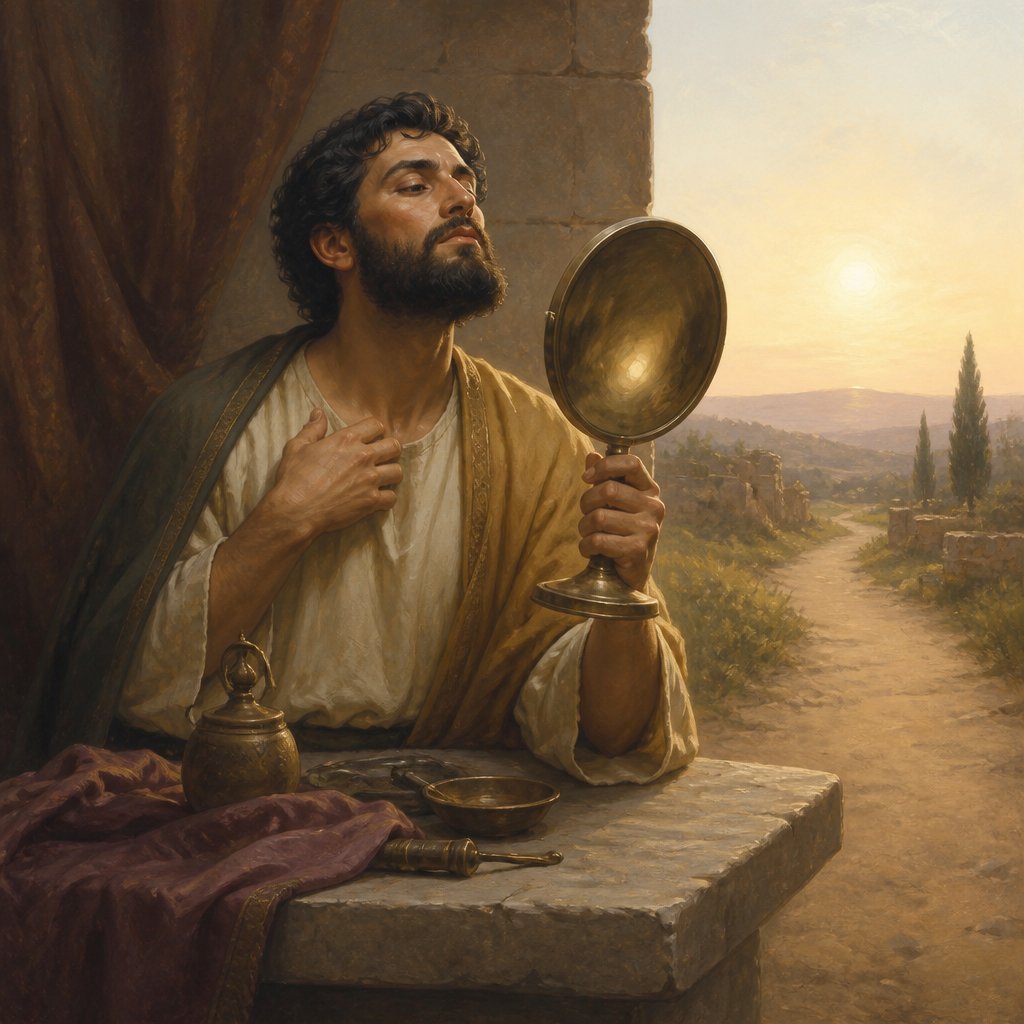
Isaiah 5:21 in the King James Version of the Bible states, "Woe unto them that are wise in their own eyes, and prudent in their own sight!" This verse is a part of a passage in which Isaiah is delivering a message from God to the people of Judah. Through this verse, God is warning against pride and self-reliance and is urging the people to rely on Him rather than their own wisdom and understanding.
The theme of the verse revolves around the dangers of human pride and arrogance, as well as the importance of humility and dependence on God. In this passage, Isaiah is admonishing those who are confident in their own intelligence and prudence, cautioning that this mindset can lead to arrogance, self-reliance, and ultimately, spiritual downfall.
The context of this verse is significant as it comes from the larger context of Isaiah 5, which is known as the Song of the Vineyard. In this passage, God is likened to a vineyard owner who has done everything to cultivate a fruitful vineyard, but the vineyard has only produced wild grapes. This metaphor represents the people of Judah who have failed to live according to God's will despite His provision and care. This verse in particular serves as a warning to those who consider themselves wise and prudent, cautioning them against relying solely on their own understanding and leaning on their own intellect.
The symbolism in Isaiah 5:21 is powerful and multifaceted. The idea of being "wise in their own eyes" and "prudent in their own sight" speaks to the inherent human tendency towards pride and self-sufficiency. This pride can lead individuals to trust in their own knowledge and understanding rather than seeking God's wisdom and guidance. The word "woe" used in this verse is significant, as it signifies a warning of impending judgment or destruction for those who are self-reliant and arrogant.
Moreover, the imagery of being "wise in their own eyes" and "prudent in their own sight" serves as a caution against the dangers of overestimating one's own abilities and wisdom. It also highlights the contrast between human wisdom and understanding versus God's infinite wisdom and understanding. This verse reminds the reader that God's ways are higher than our ways and His thoughts higher than our thoughts (Isaiah 55:9), and that true wisdom comes from humility and dependence on Him.
In conclusion, Isaiah 5:21 from the King James Version of the Bible carries a profound message about the dangers of pride and self-reliance. The verse serves as a warning against trusting solely in one's own understanding and wisdom, and instead encourages humility and reliance on God. The context of the verse, within the larger passage of the Song of the Vineyard, underscores the importance of living in accordance with God's will and seeking His wisdom above all else. The symbolism in the verse underscores the contrast between human wisdom and understanding and God's infinite wisdom, and serves as a reminder to approach life with humility and dependence on Him.
Get our apps


Artwork for Isaiah 5:21

Isaiah 5:21

Isaiah 5:21

Isaiah 5:21 - "Woe unto them that are wise in their own eyes, and prudent in their own sight!"
"Woe unto them that are wise in their own eyes, and prudent in their own sight!" - Isaiah 5:21

Isaiah 21:5 - "Prepare the table, watch in the watchtower, eat, drink: arise, ye princes, and anoint the shield."
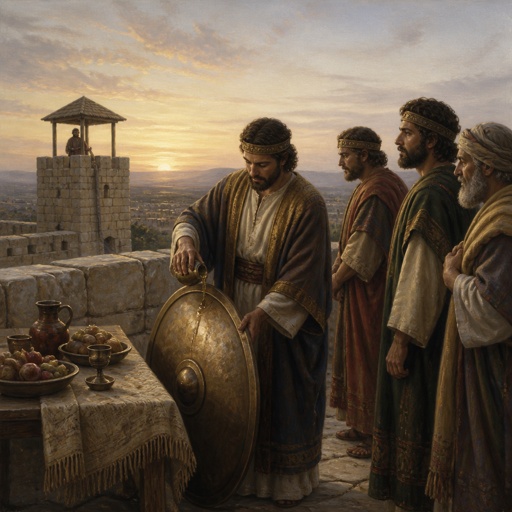
"Prepare the table, watch in the watchtower, eat, drink: arise, ye princes, and anoint the shield." - Isaiah 21:5

Isaiah 3:21 - "The rings, and nose jewels,"

Isaiah 37:5 - "So the servants of king Hezekiah came to Isaiah."

Isaiah 39:5 - "Then said Isaiah to Hezekiah, Hear the word of the LORD of hosts:"

Isaiah 53:5

Isaiah 6:1-5

Isaiah 6:1-5

Isaiah 57:21 - "There is no peace, saith my God, to the wicked."

Isaiah 38:21 - "For Isaiah had said, Let them take a lump of figs, and lay it for a plaister upon the boil, and he shall recover."

Isaiah 6:1-5

Isaiah 6:1-5

Isaiah 48:5

isaiah 5:14

Isaiah 48:5

Isaiah 51:21 - "¶ Therefore hear now this, thou afflicted, and drunken, but not with wine:"

Revelation 21:5

Isaiah 48:5

Isaiah 6:5

Isaiah 6:5

Isaiah 48:5

Isaiah 66:21 - "And I will also take of them for priests and for Levites, saith the LORD."

"The rings, and nose jewels," - Isaiah 3:21

"The rings, and nose jewels," - Isaiah 3:21

Genesis 21-5

Ephesians 5:21