What does Isaiah 6:4 mean?
“And the posts of the door moved at the voice of him that cried, and the house was filled with smoke.” — Isaiah 6:4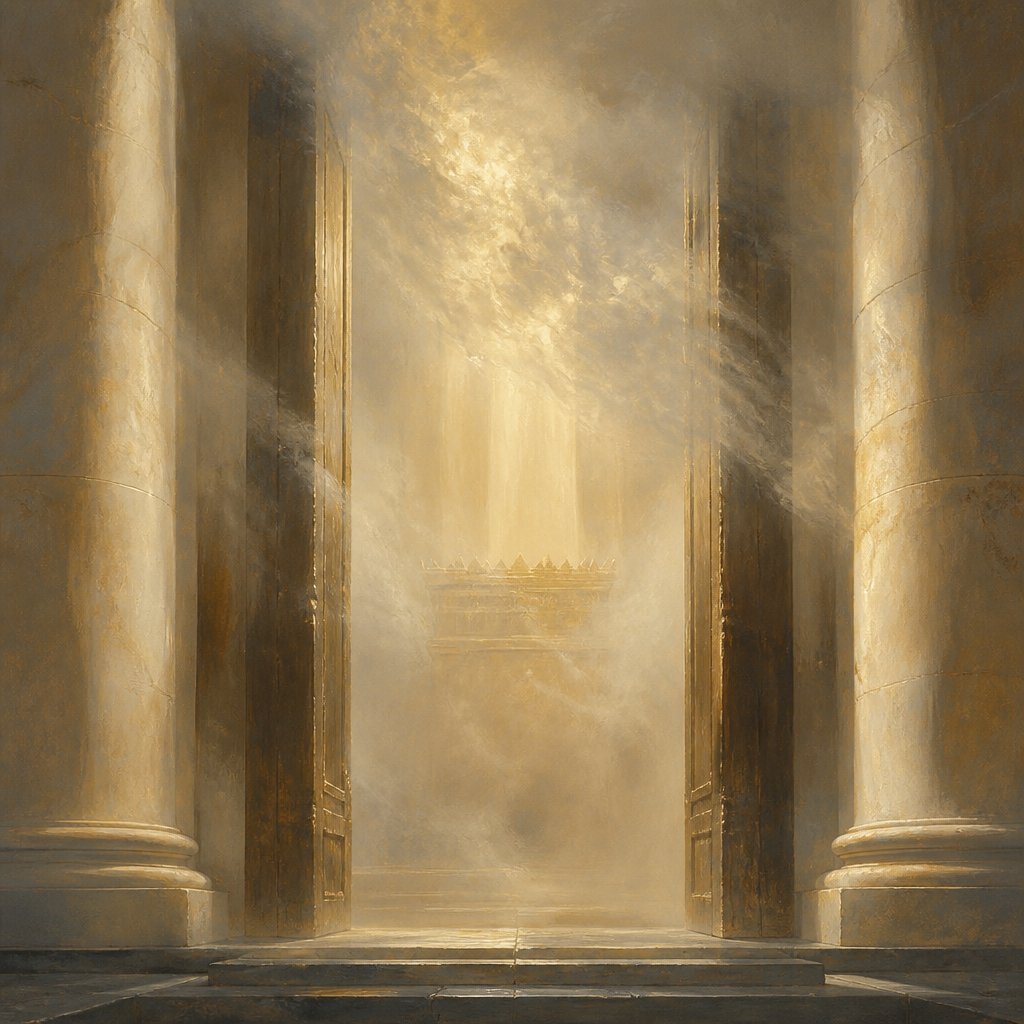
Isaiah 6:4 from the King James Version of the Bible reads, "And the posts of the door moved at the voice of him that cried, and the house was filled with smoke." This verse comes from a passage in the book of Isaiah where the prophet describes a vision he had of God's presence in the temple. The context of this verse is crucial in understanding its meaning and significance.
The entire vision described in Isaiah 6 is a powerful and awe-inspiring experience. In the first part of the chapter, Isaiah sees a breathtaking vision of the Lord sitting on a throne, high and exalted, with His robe filling the temple. Seraphim, fiery angelic beings, are seen surrounding the throne and calling out to one another, "Holy, holy, holy is the Lord of hosts; the whole earth is full of his glory." This divine proclamation of the holiness and glory of God highlights the majesty and grandeur of the Lord.
In the verse in question, Isaiah describes the effect of the angelic beings' voices on the physical surroundings. He notes that the "posts of the door moved at the voice of him that cried, and the house was filled with smoke." The moving of the posts and the filling of the house with smoke represent the overwhelming impact of the angelic proclamation. It signifies the power and magnitude of God's presence and the reverberating effect it has on the environment.
The theme of holiness and the transcendence of God is prominent in this verse. The moving of the doorposts and the filling of the house with smoke symbolize the tangible evidence of God's presence and the divine impact it has on the earthly realm. The use of "smoke" in the verse also holds symbolic meaning, often representing the presence of God in the Bible (Exodus 19:18, 2 Chronicles 5:13-14). It serves as a visual representation of God's glory and majesty.
Furthermore, the verse underscores the concept of worship and reverence. The power of the angelic voices and their proclamation of God's holiness evokes a response of awe and worship. It emphasizes the need for humility and reverence in the presence of the Almighty. In the face of God's overwhelming holiness, the prophet Isaiah is deeply aware of his own unworthiness and the sinfulness of the people around him.
From a broader theological perspective, this verse serves as a reminder of the sovereignty and majesty of God. It highlights the otherness and transcendence of the divine and underscores the intrinsic holiness of God. The moving of the doorposts and the filling of the house with smoke illustrate the profound impact of encountering God's presence.
In conclusion, Isaiah 6:4 from the King James Version of the Bible carries profound spiritual and symbolic significance. It serves as a powerful reminder of the holiness and transcendence of God, as well as the overwhelming impact of His presence. The verse emphasizes the themes of worship, reverence, and the need for humility in acknowledging God's supreme majesty. Overall, Isaiah's vision in this chapter offers a compelling portrayal of God's glory and calls for a response of awe and worship from all who encounter His presence.
Get our apps


Artwork for Isaiah 6:4

Isaiah 6:4-7

Isaiah 6:4 - "And the posts of the door moved at the voice of him that cried, and the house was filled with smoke."
"And the posts of the door moved at the voice of him that cried, and the house was filled with smoke." - Isaiah 6:4
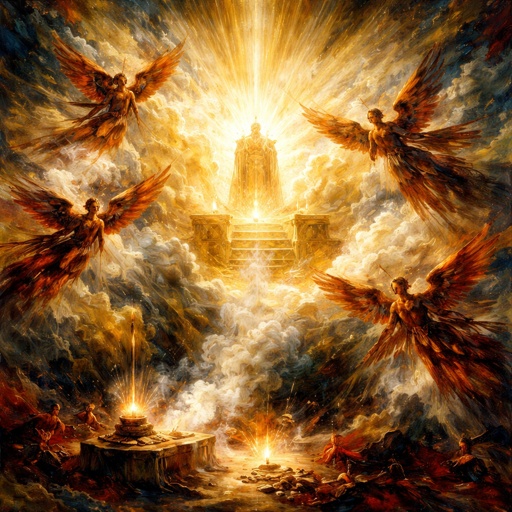
Isaiah 6:1-4. Do not depict God's face.
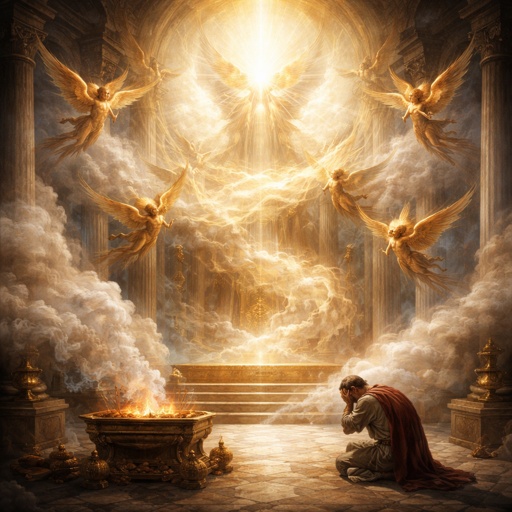
Isaiah 6:1-4. Do not depict God's face.
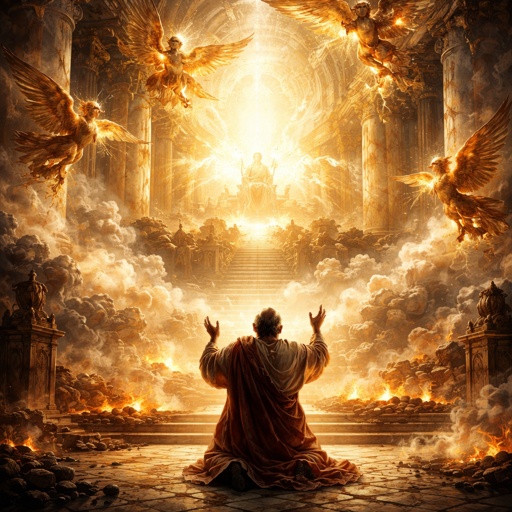
Isaiah 6:1-4. Do not depict God's face.

Isaiah 4:6 - "And there shall be a tabernacle for a shadow in the daytime from the heat, and for a place of refuge, and for a covert from storm and from rain."
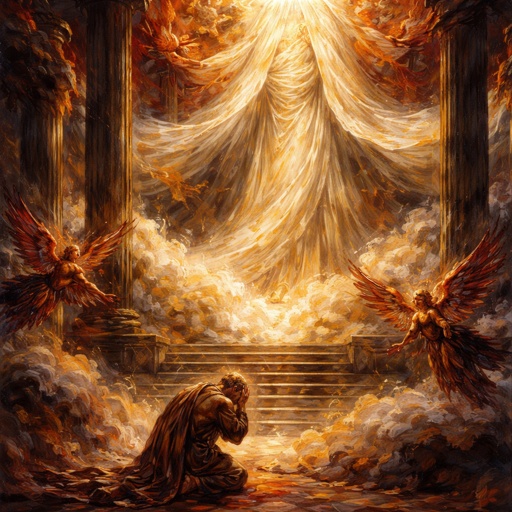
Isaiah 6:1-4. Only seeing the robe of God and not his upper body or face.
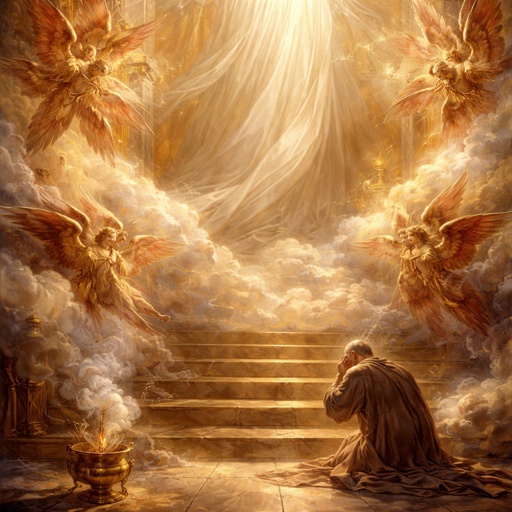
Isaiah 6:1-4. Only seeing the robe of God and not his upper body or face.
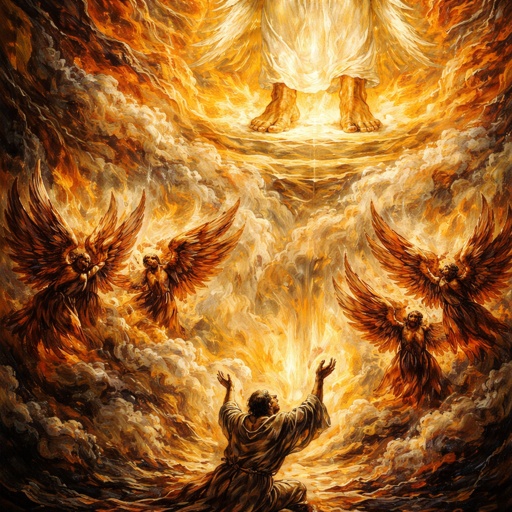
Isaiah 6:1-4. Only seeing the feet of God and not his upper body or face.
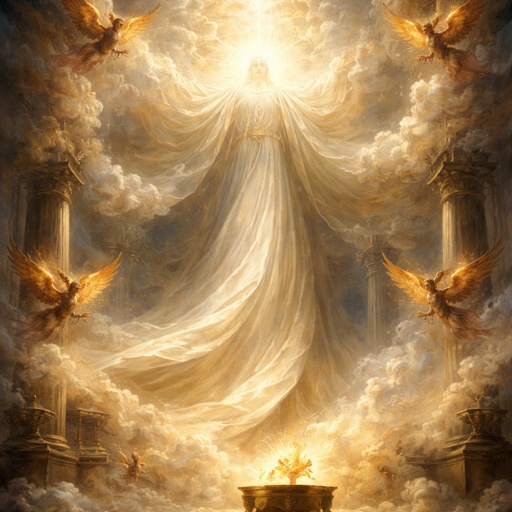
Isaiah 6:1-4. Only seeing the robe of God and not his upper body or face.
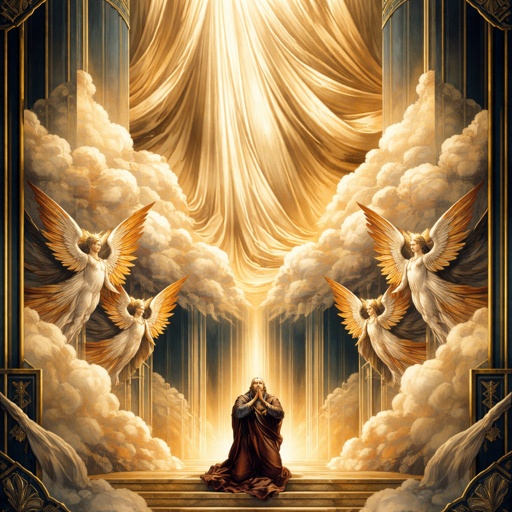
Isaiah 6:1-4. Only seeing the robe of God and not his upper body or face.
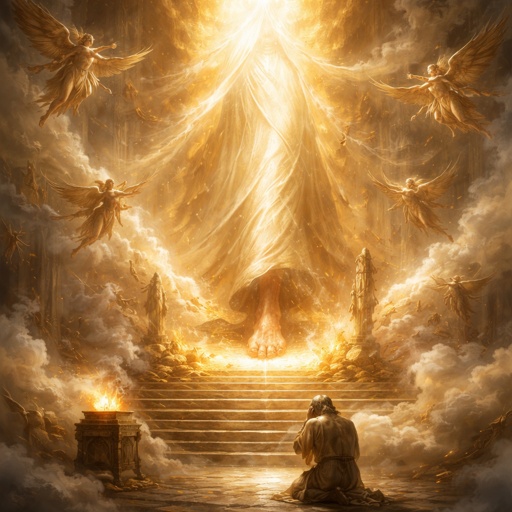
Isaiah 6:1-4. Only seeing the feet of God and not his upper body or face.
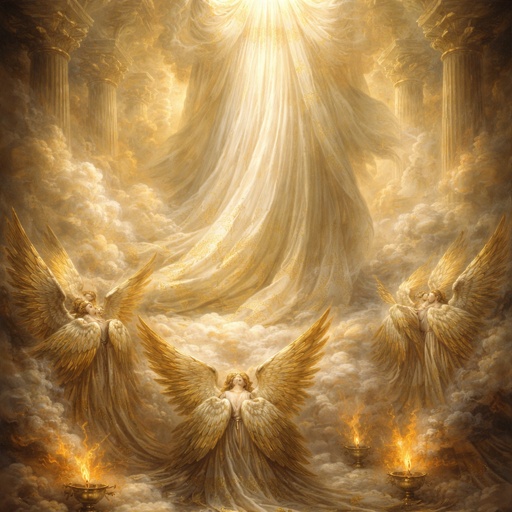
Isaiah 6:1-4. Only seeing the robe of God and not his upper body or face. Wings of angels should be covering their faces.

isaiah 6:6

Isaiah 38:4 - "¶ Then came the word of the LORD to Isaiah, saying,"

Isaiah 6

Isaiah 6
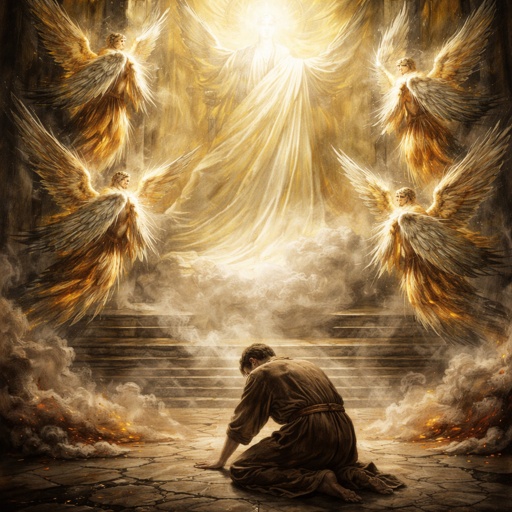
Isaiah 6:1-4. Only seeing the robe of God and not his upper body or face. The seraphim should be covering their faces with their wings, with two wings they fly, and with two wings they cover their feet. Make sure the angels faces are covered with their wings. Also have Isaiah kneeling down and humbled before this scene

Isaiah 6:1-5

Isaiah 6:1-5

isaiah 6:7
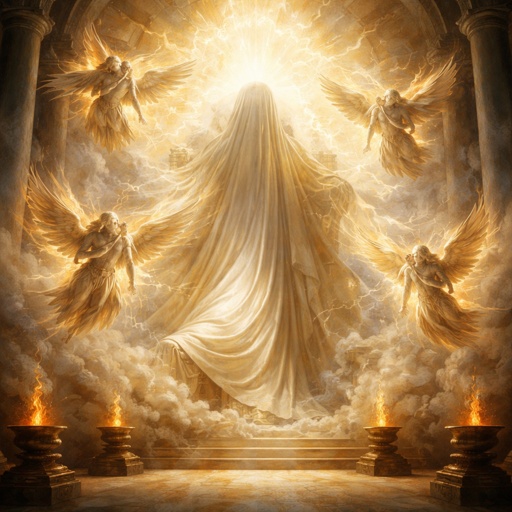
Isaiah 6:1-4. Only seeing the robe of God and not his upper body or face. The seraphim should be covering their faces with their wings, with two wings they fly, and with two wings they cover their feet

Isaiah 6:1-5

Isaiah 6:1-5
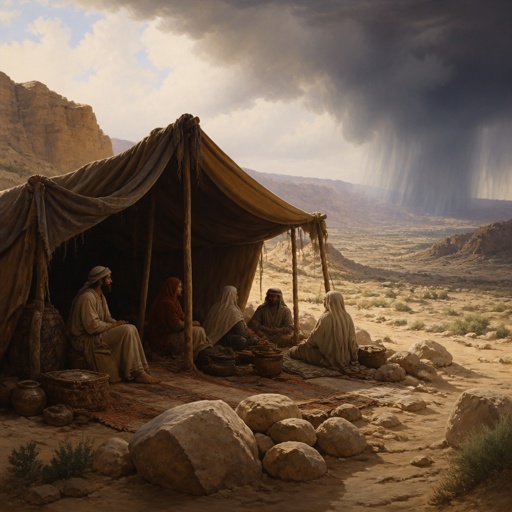
"And there shall be a tabernacle for a shadow in the daytime from the heat, and for a place of refuge, and for a covert from storm and from rain." - Isaiah 4:6

Isaiah 9:6

Isaiah 9:6

Isaiah 9:6

isaiah 6:7