What does James 1:13-15 mean?
“Let no man say when he is tempted, I am tempted of God: for God cannot be tempted with evil, neither tempteth he any man: But every man is tempted, when he is drawn away of his own lust, and enticed. Then when lust hath conceived, it bringeth forth sin: and sin, when it is finished, bringeth forth death.” — James 1:13-15
James 1:13-15 from the King James Version of the Bible says, "Let no man say when he is tempted, I am tempted of God: for God cannot be tempted with evil, neither tempteth he any man: But every man is tempted, when he is drawn away of his own lust, and enticed. Then when lust hath conceived, it bringeth forth sin: and sin, when it is finished, bringeth forth death."
This passage from the book of James addresses the issue of temptation and the human propensity to sin. It begins with a clear admonition for believers not to blame God when they are tempted to do wrong. James makes it very clear that God cannot be tempted by evil, nor does He tempt anyone to sin. This underscores the idea that temptation and sin are not part of God's nature, but rather stem from the fallen nature of humanity.
The passage goes on to explain the process of temptation and sin. It starts with each person's individual desires and lusts. When these sinful desires are allowed to take root and grow, they can draw a person away from the path of righteousness and entice them towards sinful actions. This emphasizes the personal responsibility of each individual when it comes to resisting temptation and making choices that honor God.
The progression from temptation to sin is depicted as a process of conception and birth. When a person's sinful desires are allowed to take root, they eventually give birth to sinful actions. This powerful imagery is meant to convey the gravity of sin and its destructive nature. Finally, the passage concludes with a sobering warning about the ultimate consequence of sin - death. This refers not only to physical death but also to spiritual separation from God.
One of the key themes in this passage is the concept of personal responsibility in the face of temptation. James emphasizes that each person is accountable for their own choices and cannot blame God for their sinful actions. This underscores the importance of self-control and vigilance in resisting temptation. It reminds believers that they have the power, through the Holy Spirit, to overcome sinful desires and live in a way that pleases God.
Another important theme in this passage is the destructive nature of sin. James uses vivid language to describe the process of temptation and sin, highlighting the grave consequences of giving in to sinful desires. This serves as a sobering reminder of the serious implications of sin and the importance of striving for holiness in the Christian life.
The context of this passage is also significant. James was writing to Jewish Christians who were facing various trials and challenges. In the preceding verses, he encourages them to persevere in the midst of their trials and to seek wisdom from God. This passage on temptation and sin is part of his broader exhortation for believers to live faithfully in the face of adversity.
Symbolism plays a significant role in this passage as well. The imagery of conception and birth is used to convey the progression from temptation to sin, highlighting the insidious and destructive nature of sinful desires. This symbolism serves to underscore the seriousness of the issue and the need for vigilance in resisting temptation.
In conclusion, James 1:13-15 offers a profound and compelling commentary on the nature of temptation and sin. It emphasizes the personal responsibility of each individual in resisting temptation, warns of the destructive consequences of sin, and underscores the need for vigilance and self-control in the Christian life. This passage serves as a powerful exhortation for believers to live faithfully and resist the enticements of sin.
Get our apps


Artwork for James 1:13-15

James 1:13-15 - "When tempted, no one should say, “God is tempting me.” For God cannot be tempted by evil, nor does he tempt anyone; but each person is tempted when they are dragged away by their own evil desire and enticed. Then, after desire has conceived, it gives birth to sin; and sin, when it is full-grown, gives birth to death."

"When tempted, no one should say, “God is tempting me.” For God cannot be tempted by evil, nor does he tempt anyone; but each person is tempted when they are dragged away by their own evil desire and enticed. Then, after desire has conceived, it gives birth to sin; and sin, when it is full-grown, gives birth to death." - James 1:13-15

Acts 15:13 - "¶ And after they had held their peace, James answered, saying, Men and brethren, hearken unto me:"

James 1:2-13

James 1:2-13

James 1:5-20

1 Corinthians 15:7 - "After that, he was seen of James; then of all the apostles."

Acts 1:13 - "And when they were come in, they went up into an upper room, where abode both Peter, and James, and John, and Andrew, Philip, and Thomas, Bartholomew, and Matthew, James the son of Alphaeus, and Simon Zelotes, and Judas the brother of James."

James 1:15 - "Then when lust hath conceived, it bringeth forth sin: and sin, when it is finished, bringeth forth death."

James 1:3 - "Knowing this, that the trying of your faith worketh patience."
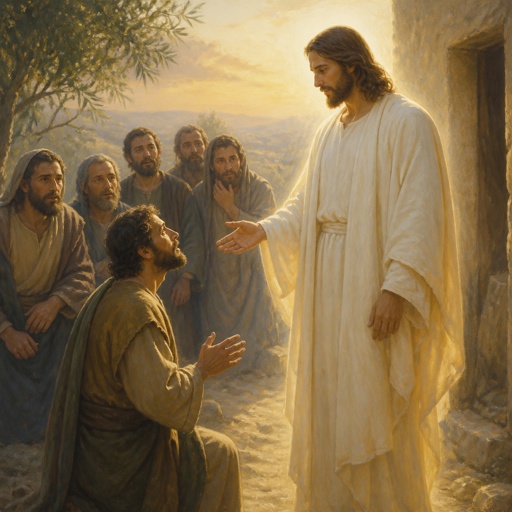
"After that, he was seen of James; then of all the apostles." - 1 Corinthians 15:7
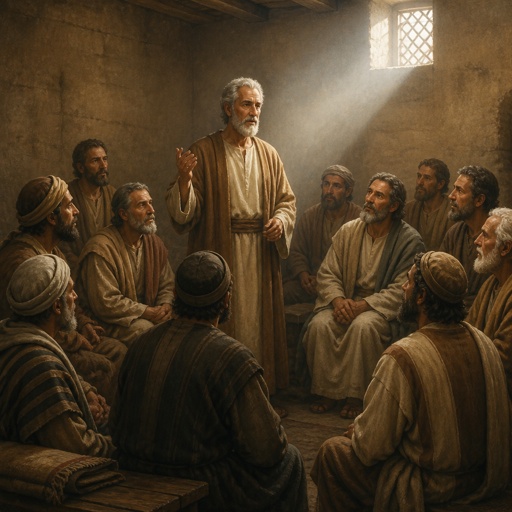
"¶ And after they had held their peace, James answered, saying, Men and brethren, hearken unto me:" - Acts 15:13

James 5:14-15

"Knowing this, that the trying of your faith worketh patience." - James 1:3

James 1:13 - "Let no man say when he is tempted, I am tempted of God: for God cannot be tempted with evil, neither tempteth he any man:"

"Knowing this, that the trying of your faith worketh patience." - James 1:3

James 2:15 - "If a brother or sister be naked, and destitute of daily food,"

James 3:15 - "This wisdom descendeth not from above, but is earthly, sensual, devilish."

1 Corinthians 15:13 - "But if there be no resurrection of the dead, then is Christ not risen:"

James 1:1 - "James, a servant of God and of the Lord Jesus Christ, to the twelve tribes which are scattered abroad, greeting."

Luke 6:15 - "Matthew and Thomas, James the son of Alphaeus, and Simon called Zelotes,"
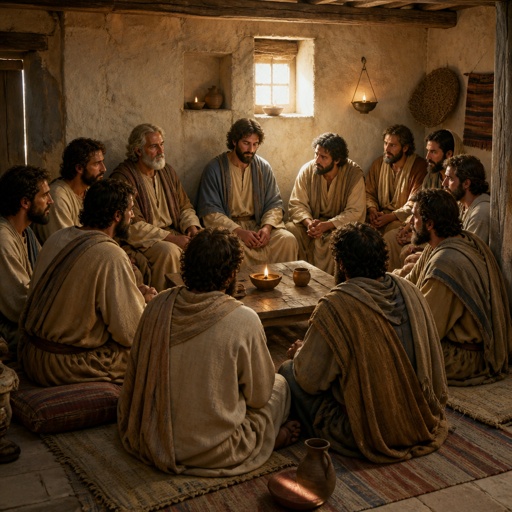
"And when they were come in, they went up into an upper room, where abode both Peter, and James, and John, and Andrew, Philip, and Thomas, Bartholomew, and Matthew, James the son of Alphaeus, and Simon Zelotes, and Judas the brother of James." - Acts 1:13

James 4:15 - "For that ye ought to say, If the Lord will, we shall live, and do this, or that."
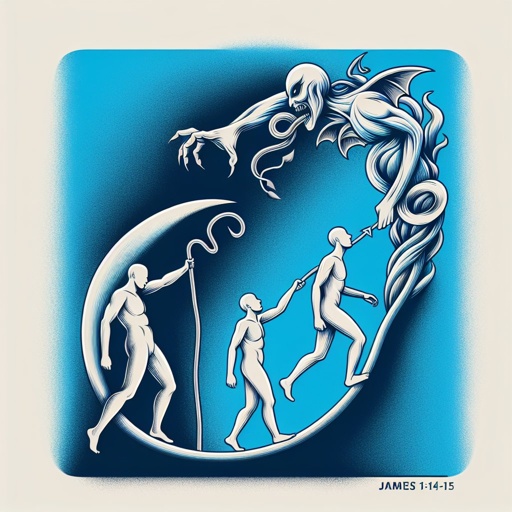
James 1:14-15 - "But each person is tempted when they are dragged away by their own evil desire and enticed. Then, after desire has conceived, it gives birth to sin; and sin, when it is full-grown, gives birth to death."

James 1:5 - "If any of you lack wisdom, let him ask of God, that giveth to all men liberally, and upbraideth not; and it shall be given him."

James

"Then when lust hath conceived, it bringeth forth sin: and sin, when it is finished, bringeth forth death." - James 1:15

James 1:3-4 - "Because you know that the testing of your faith produces perseverance. Let perseverance finish its work so that you may be mature and complete, not lacking anything."

James 4:13-15 - "Now listen, you who say, 'Today or tomorrow we will go to this or that city, spend a year there, carry on business and make money.' Why, you do not even know what will happen tomorrow. What is your life? You are a mist that appears for a little while and then vanishes. Instead, you ought to say, 'If it is the Lord’s will, we will live and do this or that.'"

1 Kings 13:15 - "Then he said unto him, Come home with me, and eat bread."