What does James 1:14-15 mean?
“But every man is tempted, when he is drawn away of his own lust, and enticed. Then when lust hath conceived, it bringeth forth sin: and sin, when it is finished, bringeth forth death.” — James 1:14-15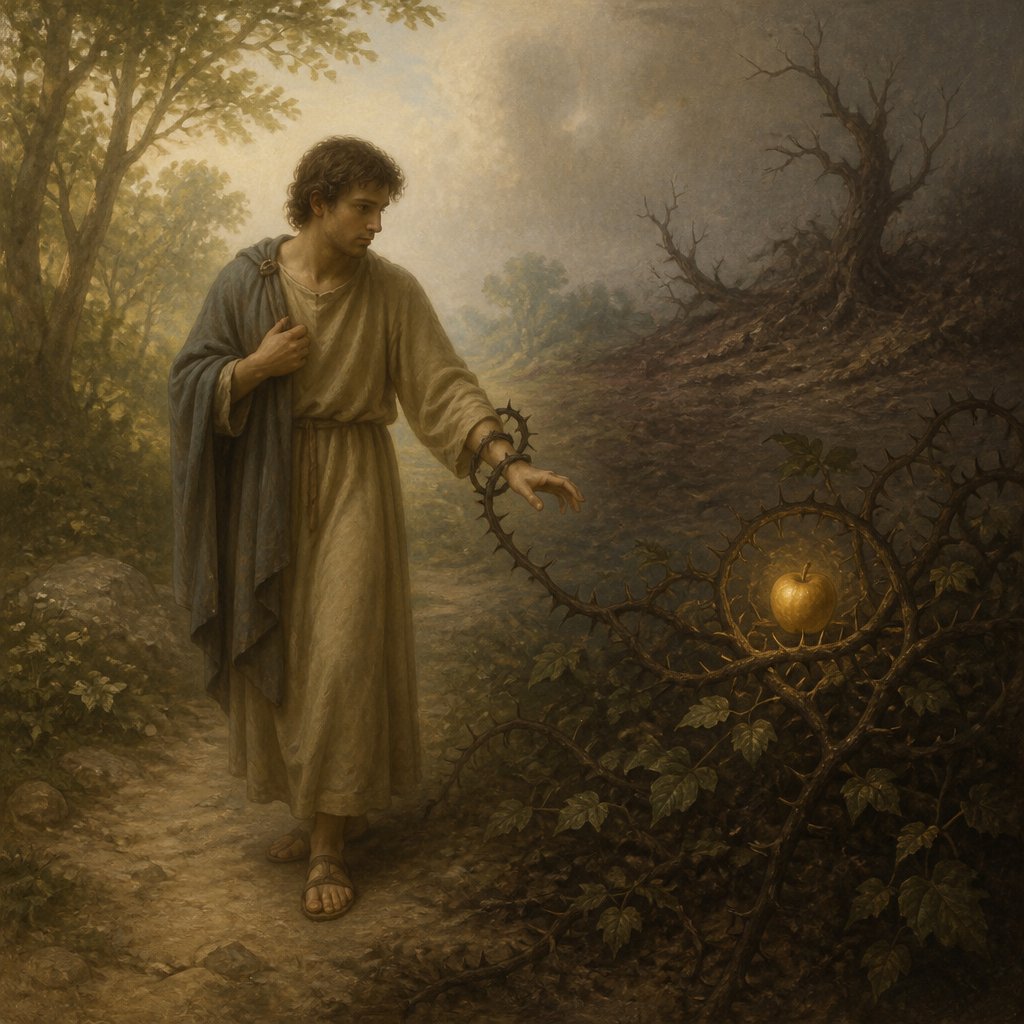
James 1:14-15 from the King James Version (KJV) of the Bible reads: "But every man is tempted, when he is drawn away of his own lust, and enticed. Then when lust hath conceived, it bringeth forth sin: and sin, when it is finished, bringeth forth death."
This passage from the book of James addresses the nature of temptation, the process of sin, and its ultimate consequence. James, the author of this book, was writing to Jewish Christians who were facing trials and temptations in their lives. The verses serve as a warning and an encouragement to believers as they navigate the challenges of living a faithful life.
The theme of temptation is central to these verses. James acknowledges the universal experience of temptation, stating that "every man is tempted." This is a reminder that no one is immune to temptation, and it is a natural part of the human experience. The source of temptation, according to James, is one's own desires or lusts. When a person is drawn away by these inner desires and enticed, they are vulnerable to succumb to temptation. This highlights the internal struggle that individuals face when confronted with sinful impulses. It also emphasizes the personal responsibility in resisting and overcoming temptation.
The imagery of conception and birth is used to illustrate the progression of sin. James depicts how lust, when conceived, gives birth to sin. This metaphor suggests that sin originates from within and grows over time, mirroring the development of a child in the womb. Furthermore, the progression from lust to sin demonstrates the natural course of temptation leading to sinful actions. It serves as a cautionary message about the dangers of allowing sinful desires to take root and manifest into actual transgressions.
The consequences of sin are also addressed in these verses. James warns that when sin is fully developed, it leads to death. This consequence is both spiritual and, possibly, physical. Spiritually, sin creates a separation between individuals and God, leading to spiritual death or separation from the divine. This reflects the theological concept of sin as a barrier to the relationship with the divine. Additionally, the statement can be understood as a reference to the ultimate consequence of sin, which is eternal death or damnation. This serves as a sobering reminder of the seriousness of sin and its detrimental impact on one's spiritual well-being.
The context of these verses within the broader passage of James 1 is significant. In the preceding verses, James discusses the nature of trials and the testing of one's faith, emphasizing the need for endurance and steadfastness. The discussion of temptation and its consequences is closely linked to the theme of perseverance in the face of trials. It underscores the challenges that believers face in maintaining their faith and resisting the allure of sinful desires, especially during difficult times.
Symbolism is present in these verses, primarily in the imagery of conception and birth. The process of lust conceiving and giving birth to sin can be seen as a metaphor for the development and manifestation of sinful actions. This symbolism underscores the idea that sin is not simply a singular act but a process that begins within an individual and progresses to outward behavior. It highlights the internal nature of sin and the need for self-awareness and self-control in resisting temptation.
In conclusion, James 1:14-15 offers a poignant reflection on the nature of temptation, the progression of sin, and its consequences. It serves as a cautionary reminder of the internal and external challenges that believers face in resisting sinful desires and maintaining their faith. The verses provide valuable insights into the human experience of temptation and the importance of personal responsibility in resisting sin. It also conveys a sobering warning about the detrimental effects of succumbing to sin. In light of these teachings, believers are encouraged to remain steadfast in their faith and to exercise vigilance in resisting temptation.
Get our apps


Artwork for James 1:14-15
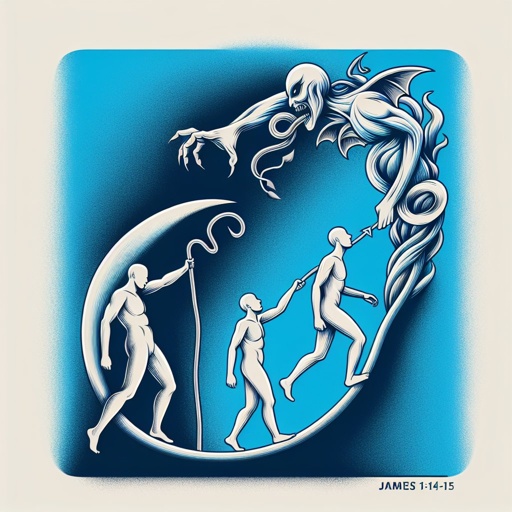
James 1:14-15 - "But each person is tempted when they are dragged away by their own evil desire and enticed. Then, after desire has conceived, it gives birth to sin; and sin, when it is full-grown, gives birth to death."

"But each person is tempted when they are dragged away by their own evil desire and enticed. Then, after desire has conceived, it gives birth to sin; and sin, when it is full-grown, gives birth to death." - James 1:14-15

James 5:14-15

James 1:5-20

1 Corinthians 15:7 - "After that, he was seen of James; then of all the apostles."

James 1:14 - "But every man is tempted, when he is drawn away of his own lust, and enticed."

James 1:15 - "Then when lust hath conceived, it bringeth forth sin: and sin, when it is finished, bringeth forth death."
"After that, he was seen of James; then of all the apostles." - 1 Corinthians 15:7

James 1:4 - "But let patience have her perfect work, that ye may be perfect and entire, wanting nothing."

Luke 11:14-15

John 14:15-21

James 2:15 - "If a brother or sister be naked, and destitute of daily food,"

James 3:15 - "This wisdom descendeth not from above, but is earthly, sensual, devilish."

James 1:1 - "James, a servant of God and of the Lord Jesus Christ, to the twelve tribes which are scattered abroad, greeting."

Luke 6:15 - "Matthew and Thomas, James the son of Alphaeus, and Simon called Zelotes,"

"But every man is tempted, when he is drawn away of his own lust, and enticed." - James 1:14

James 4:15 - "For that ye ought to say, If the Lord will, we shall live, and do this, or that."

James 1:5 - "If any of you lack wisdom, let him ask of God, that giveth to all men liberally, and upbraideth not; and it shall be given him."

James

Mark 14:33 - "And he taketh with him Peter and James and John, and began to be sore amazed, and to be very heavy;"

James 3:14 - "But if ye have bitter envying and strife in your hearts, glory not, and lie not against the truth."

"Then when lust hath conceived, it bringeth forth sin: and sin, when it is finished, bringeth forth death." - James 1:15

"But let patience have her perfect work, that ye may be perfect and entire, wanting nothing." - James 1:4

Acts 15:13 - "¶ And after they had held their peace, James answered, saying, Men and brethren, hearken unto me:"

1 Corinthians 15:14 - "And if Christ be not risen, then is our preaching vain, and your faith is also vain."

James 1: 2-4

James 1:2-4

James 1:17-22

Luke 6:14 - "Simon, (whom he also named Peter,) and Andrew his brother, James and John, Philip and Bartholomew,"
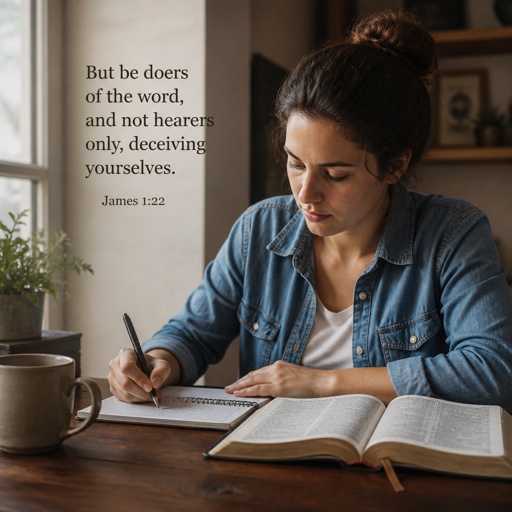
James 1:22