
James 1:21-25 in the King James Version of the Bible reads: "Wherefore lay apart all filthiness and superfluity of naughtiness, and receive with meekness the engrafted word, which is able to save your souls. But be ye doers of the word, and not hearers only, deceiving your own selves. For if any be a hearer of the word, and not a doer, he is like unto a man beholding his natural face in a glass: For he beholdeth himself, and goeth his way, and straightway forgetteth what manner of man he was. But whoso looketh into the perfect law of liberty, and continueth therein, he being not a forgetful hearer, but a doer of the work, this man shall be blessed in his deed."
This passage from the book of James addresses the importance of not only hearing the word of God but also practicing it in one's daily life. It emphasizes the need for believers to not only receive the teachings of the Bible with humility and meekness, but also to live out those teachings by being "doers of the word."
The passage begins with an exhortation to "lay apart all filthiness and superfluity of naughtiness." This is a call for believers to rid themselves of sinful behaviors and attitudes that are contrary to the teachings of the Bible. The language used here is strong and emphasizes the need for believers to actively remove these negative influences from their lives. This sets the stage for the contrast between hearing the word of God and putting it into practice.
The next portion of the passage highlights the importance of receiving the word with meekness, or humility. This suggests that a proper attitude of teachability and openness is necessary in order to truly understand and internalize the teachings of the Bible. The engrafted word is described as being able to save one's soul, indicating its transformative power in the life of a believer.
The passage then warns against being merely hearers of the word and not doers, likening such a person to someone who looks at their reflection in a mirror and then promptly forgets what they look like. This analogy underscores the point that passively hearing the word without putting it into practice is futile and unproductive.
This is further emphasized by the contrast in the final portion of the passage, which speaks of the one who not only looks into the perfect law of liberty (the word of God) but also continues in it by being a doer of the work. Such a person is contrasted with the forgetful hearer and is promised blessings in their deeds.
One of the key themes in this passage is the contrast between passive hearing and active doing. It emphasizes the transformative power of the word of God and the importance of putting its teachings into practice. The passage also highlights the need for humility and a teachable spirit in receiving the word.
The context of the book of James is one of practical wisdom and instruction for Christian living. This particular passage fits into the broader context of the book, which addresses issues such as trials and temptations, the importance of true faith evidenced by works, the proper use of the tongue, and the dangers of worldliness.
The symbolism in this passage is primarily found in the analogy of the mirror, which represents the word of God as a reflection of truth. The forgetful hearer is likened to someone who forgets their reflection after seeing it, while the doer of the word is compared to someone who not only looks at their reflection but also takes action based on what they see.
In conclusion, James 1:21-25 is a powerful exhortation for believers to not only hear the word of God but to also actively live it out in their daily lives. It underscores the transformative power of the word and the need for humility and teachability in receiving it. The passage serves as a timeless reminder of the importance of putting faith into action and the blessings that come from doing so.
Get our apps


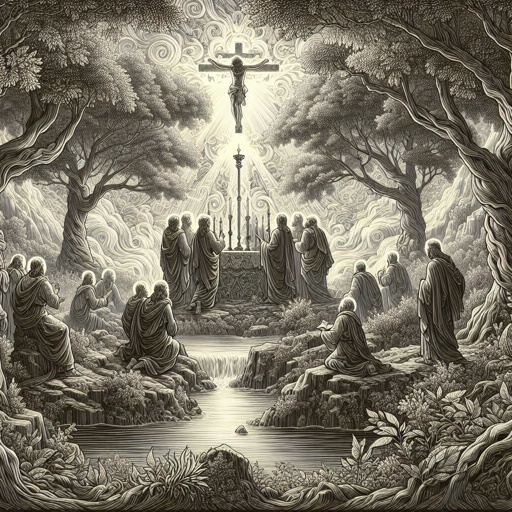
Artwork for James 1:21-25

James 1:21-25 - "Therefore, get rid of all moral filth and the evil that is so prevalent and humbly accept the word planted in you, which can save you. Do not merely listen to the word, and so deceive yourselves. Do what it says. Anyone who listens to the word but does not do what it says is like someone who looks at his face in a mirror and, after looking at himself, goes away and immediately forgets what he looks like. But whoever looks intently into the perfect law that gives freedom, and continues in it—not forgetting what they have heard, but doing it—they will be blessed in what they do."

"Therefore, get rid of all moral filth and the evil that is so prevalent and humbly accept the word planted in you, which can save you. Do not merely listen to the word, and so deceive yourselves. Do what it says. Anyone who listens to the word but does not do what it says is like someone who looks at his face in a mirror and, after looking at himself, goes away and immediately forgets what he looks like. But whoever looks intently into the perfect law that gives freedom, and continues in it—not forgetting what they have heard, but doing it—they will be blessed in what they do." - James 1:21-25

"Therefore, get rid of all moral filth and the evil that is so prevalent and humbly accept the word planted in you, which can save you. Do not merely listen to the word, and so deceive yourselves. Do what it says. Anyone who listens to the word but does not do what it says is like someone who looks at his face in a mirror and, after looking at himself, goes away and immediately forgets what he looks like. But whoever looks intently into the perfect law that gives freedom, and continues in it—not forgetting what they have heard, but doing it—they will be blessed in what they do." - James 1:21-25

Matthew 21:25

James 1:25 - "But whoso looketh into the perfect law of liberty, and continueth therein, he being not a forgetful hearer, but a doer of the work, this man shall be blessed in his deed."

James 1:21 - "Wherefore lay apart all filthiness and superfluity of naughtiness, and receive with meekness the engrafted word, which is able to save your souls."
James 21:5-120

1 Chronicles 25:21 - "The fourteenth to Mattithiah, he, his sons, and his brethren, were twelve:"

1 Chronicles 21:25 - "So David gave to Ornan for the place six hundred shekels of gold by weight."

James 1:1 - "James, a servant of God and of the Lord Jesus Christ, to the twelve tribes which are scattered abroad, greeting."

Acts 21:18 - "And the day following Paul went in with us unto James; and all the elders were present."

James

James 2:25 - "Likewise also was not Rahab the harlot justified by works, when she had received the messengers, and had sent them out another way?"

James 2:21 - "Was not Abraham our father justified by works, when he had offered Isaac his son upon the altar?"

James 1: 2-4

James 1:2-4

Matthew 25:21

Matthew 25:21

Genesis 21-25

Genesis 21:25

1 Kings 21:25 - "¶ But there was none like unto Ahab, which did sell himself to work wickedness in the sight of the LORD, whom Jezebel his wife stirred up."

James 1:17-22

James 1:22

John 21:25

Genesis 21:25

James 1:17

James 1:19

James 1:17

James 1:17

James 1:22