What does James 1:24 mean?
“For he beholdeth himself, and goeth his way, and straightway forgetteth what manner of man he was.” — James 1:24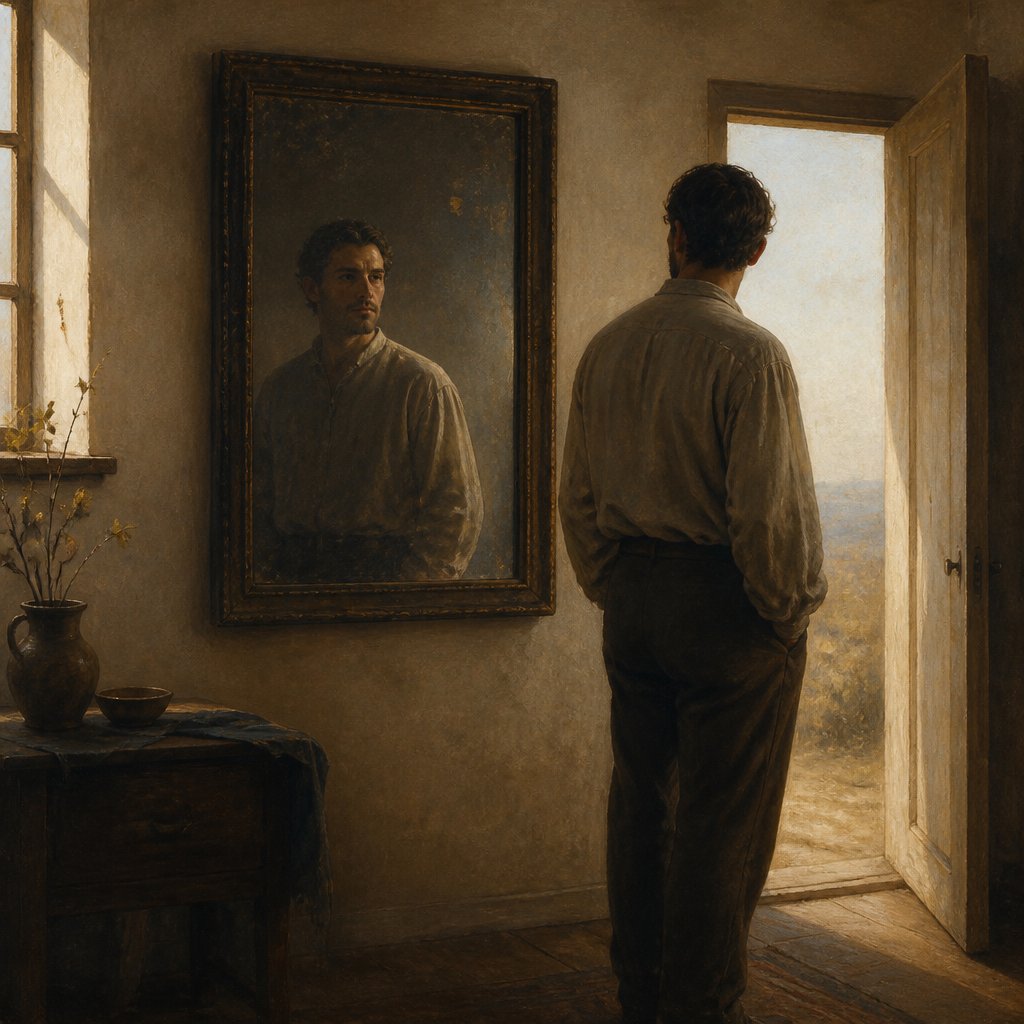
James 1:24 KJV: "For he beholdeth himself, and goeth his way, and straightway forgetteth what manner of man he was."
This verse comes from the book of James in the New Testament and is part of a larger passage that speaks about hearing and doing the word of God. The verse focuses on the concept of self-reflection and the failure to internalize the lessons that one observes. To truly understand the meaning behind this verse, it is crucial to examine the surrounding context, as well as any cultural or historical significance that may offer insight.
The book of James was written by the apostle James, who is believed to be the brother of Jesus. This particular passage addresses the importance of living out one's faith, rather than merely listening to the teachings and failing to put them into action. The preceding verses discuss the idea that a person who hears the word of God and does not act upon it is like a person who looks at himself in a mirror and immediately forgets what he looks like.
The verse in question, James 1:24, expounds upon this analogy by stating that the person who looks at himself in the mirror goes on his way and quickly forgets what he saw. The symbolism of the mirror in this context represents self-reflection and self-awareness. The act of looking at oneself in the mirror is meant to prompt introspection and recognition of one's flaws or areas for improvement. However, the verse highlights the futility of this exercise if one does not internalize the image they see and make necessary changes.
From a thematic perspective, this verse underscores the importance of acting upon one's faith rather than solely relying on superficial or fleeting acknowledgment of one's shortcomings. It emphasizes the necessity of genuine self-examination and the subsequent commitment to growth and transformation. The immediacy with which the individual forgets what manner of person he was suggests a lack of true introspection and a failure to fully engage with the teachings and guidance of God.
This passage also holds broader implications for the Christian life. It speaks to the belief that faith without works is dead, a concept touched upon in the book of James. Living out one's faith is not just a matter of words or professing belief but involves tangible actions and a heart attuned to the will of God. The failure to internalize and apply the lessons learned through the word of God leads to a shallow and unproductive faith.
In a cultural and historical context, this verse would have resonated with the early Christian community, many of whom were grappling with the challenge of living out their faith in a meaningful way. It serves as a clarion call to genuine discipleship, urging believers not to be hearers only but doers of the word. The immediacy of the forgetting highlights the urgency of active faith and the danger of complacency or forgetfulness.
In conclusion, James 1:24 from the King James Version of the Bible serves as a poignant reminder of the necessity of genuine introspection and the imperative to translate one's faith into action. It invites believers to engage with the word of God in a deep and meaningful way, allowing it to provoke transformative change within themselves. The verse highlights the danger of superficial self-reflection and the resulting failure to enact meaningful change. Ultimately, this passage resonates with timeless themes of authentic faith, self-examination, and the imperative of living out one's beliefs in a tangible and impactful manner.
Get our apps


Artwork for James 1:24
"For he beholdeth himself, and goeth his way, and straightway forgetteth what manner of man he was." - James 1:24

James 1:2-4

James 1: 2-4

James 2:24 - "Ye see then how that by works a man is justified, and not by faith only."

James 1:1 - "James, a servant of God and of the Lord Jesus Christ, to the twelve tribes which are scattered abroad, greeting."

James
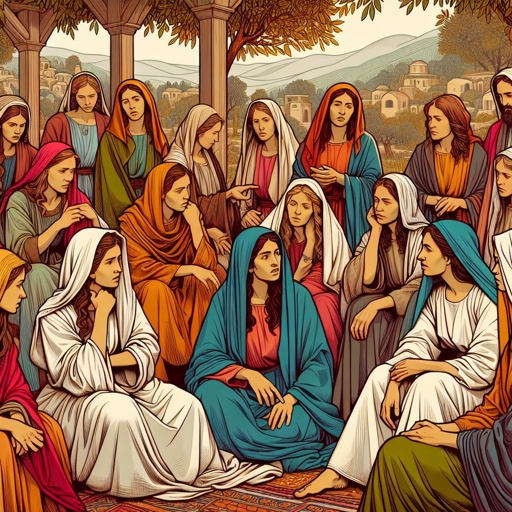
Luke 24:10 - "It was Mary Magdalene, and Joanna, and Mary the mother of James, and other women that were with them, which told these things unto the apostles."

James 1:17-22
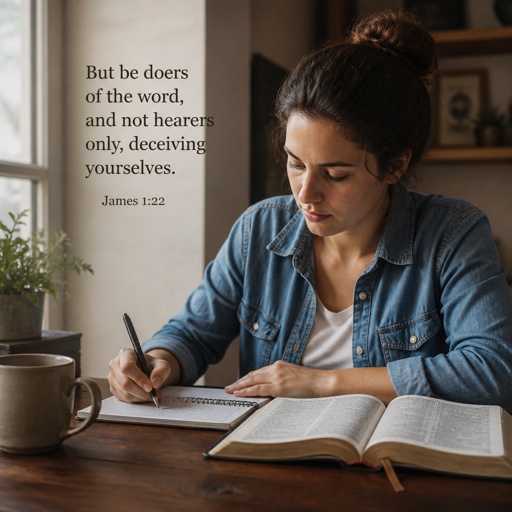
James 1:22

James 1:17

James 1:19

James 1:17

James 1:17

James 1:22

James 1:9

James 1:17

James 1:10

james 1:27

James 1:22

James 1:17
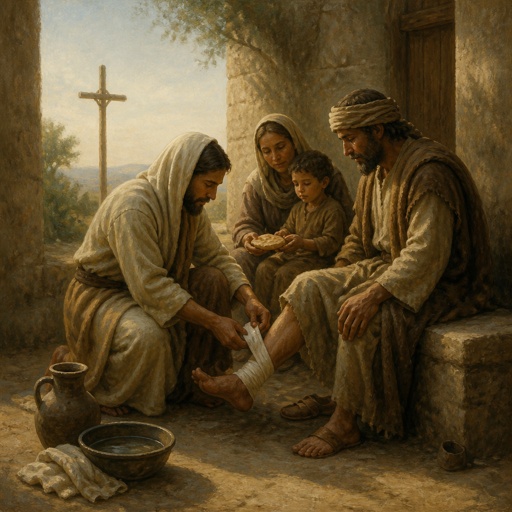
"Ye see then how that by works a man is justified, and not by faith only." - James 2:24

Acts 1:13 - "And when they were come in, they went up into an upper room, where abode both Peter, and James, and John, and Andrew, Philip, and Thomas, Bartholomew, and Matthew, James the son of Alphaeus, and Simon Zelotes, and Judas the brother of James."

James 1:2-4 - "Consider it pure joy, my brothers and sisters, whenever you face trials of many kinds because you know that the testing of your faith produces perseverance. Let perseverance finish its work so that you may be mature and complete, not lacking anything."

James 1:2-13

James 1:5-20

James 2:2-4

James 1:2-13

"James, a servant of God and of the Lord Jesus Christ, to the twelve tribes which are scattered abroad, greeting." - James 1:1

James 1:20 - "For the wrath of man worketh not the righteousness of God."

James 1:16 - "Do not err, my beloved brethren."