What does James 2:17-18 mean?
“Even so faith, if it hath not works, is dead, being alone. Yea, a man may say, Thou hast faith, and I have works: shew me thy faith without thy works, and I will shew thee my faith by my works.” — James 2:17-18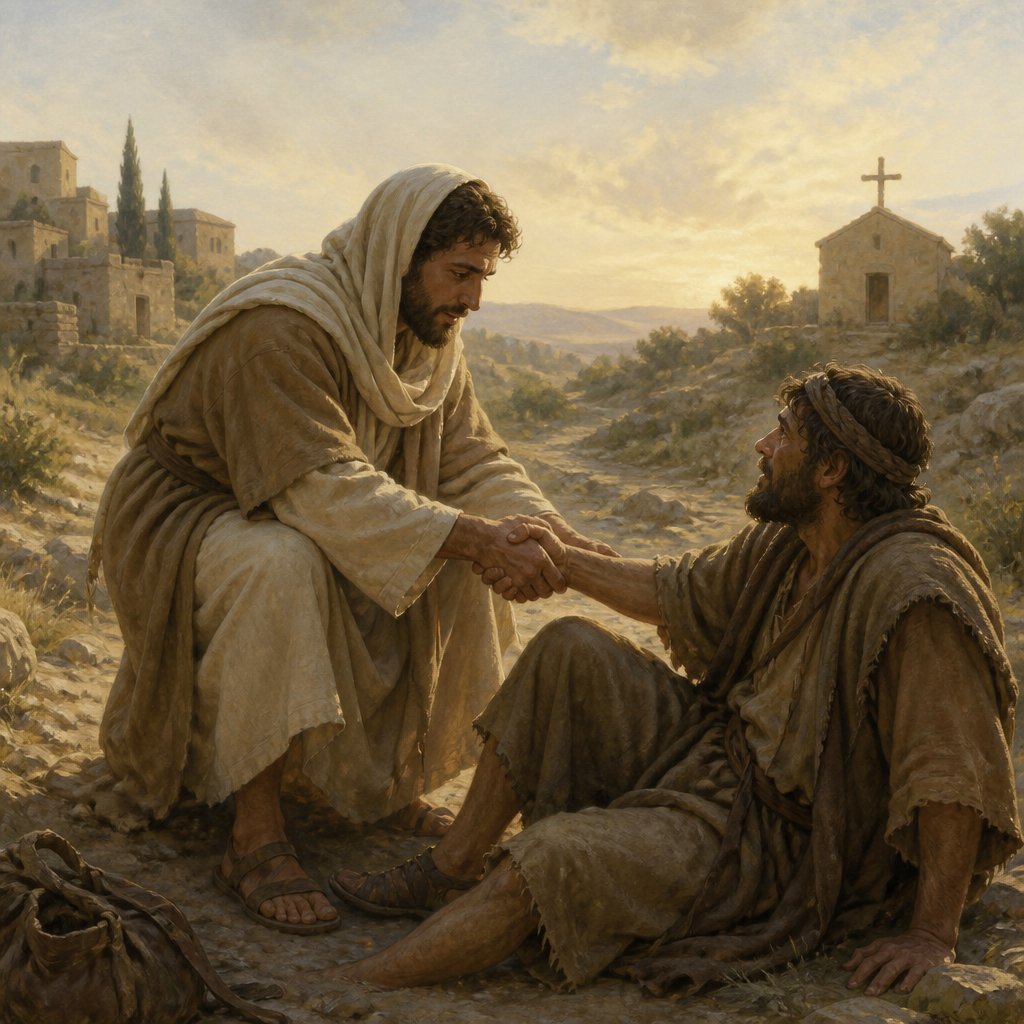
James 2:17-18 in the King James Version (KJV) of the Bible reads, "Even so faith, if it hath not works, is dead, being alone. Yea, a man may say, Thou hast faith, and I have works: shew me thy faith without thy works, and I will shew thee my faith by my works."
This passage from the book of James is an important reminder for Christians about the importance of both faith and works in their lives. James, the brother of Jesus, wrote this epistle to exhort believers to live out their faith in Christ with sincerity and conviction. In these verses, he addresses the relationship between faith and works and emphasizes the need for both in the Christian life.
The theme of faith and works is a recurring theme in the book of James, and it reflects an ongoing theological debate within early Christianity. There were those who believed that faith alone was sufficient for salvation, while others argued that faith must be accompanied by good works. James sought to address this issue by emphasizing that true faith is evidenced by one's actions. He asserts that genuine faith will inevitably produce good works.
The passage begins with James declaring that faith without works is dead. In other words, if a person claims to have faith but their life does not reflect that faith through good deeds, then their faith is essentially useless. This echoes the sentiment expressed in the book of Hebrews, which states, "faith without works is dead" (Hebrews 11:17). James goes on to illustrate this point by presenting a hypothetical situation in which someone claims to have faith, while another person claims to have works. He challenges the notion that faith and works can be separated, emphasizing that true faith will always be demonstrated through actions.
The context of this passage is important for understanding its significance. James was writing to a community of Jewish Christians who were facing trials and persecution. Many of them were struggling to live out their faith in a hostile environment, and James sought to encourage them to remain steadfast in their commitment to Christ. In this context, the exhortation to demonstrate one's faith through works would have been particularly relevant. James was urging his readers to stand firm in their convictions and live out their faith in a tangible way, even in the face of adversity.
The symbolism in these verses lies in the contrast between faith and works. While faith is an internal belief, works are external actions that flow from that belief. The two are inseparably linked, according to James, and together they form the basis of a genuine and active faith. The symbolism of this passage extends to the broader theme of Christian discipleship, highlighting the importance of living out one's faith in practical ways.
In conclusion, James 2:17-18 is a powerful reminder of the inseparable connection between faith and works in the Christian life. James emphasizes that genuine faith will always be accompanied by good works, and that the two are essential components of a vibrant and active faith. This passage challenges believers to examine the sincerity of their faith and to demonstrate it through their actions. In a world that often prioritizes words over deeds, these verses serve as a timely and convicting reminder for Christians to live out their faith in tangible and meaningful ways.
Get our apps


Artwork for James 2:17-18

James 2:17-18 - "So also faith by itself, if it does not have works, is dead. But someone will say, “You have faith and I have works.” Show me your faith apart from your works, and I will show you my faith by my works."
"So also faith by itself, if it does not have works, is dead. But someone will say, “You have faith and I have works.” Show me your faith apart from your works, and I will show you my faith by my works." - James 2:17-18
"So also faith by itself, if it does not have works, is dead. But someone will say, “You have faith and I have works.” Show me your faith apart from your works, and I will show you my faith by my works." - James 2:17-18
"So also faith by itself, if it does not have works, is dead. But someone will say, “You have faith and I have works.” Show me your faith apart from your works, and I will show you my faith by my works." - James 2:17-18

James 2:17 - "Even so faith, if it hath not works, is dead, being alone."

"Even so faith, if it hath not works, is dead, being alone." - James 2:17
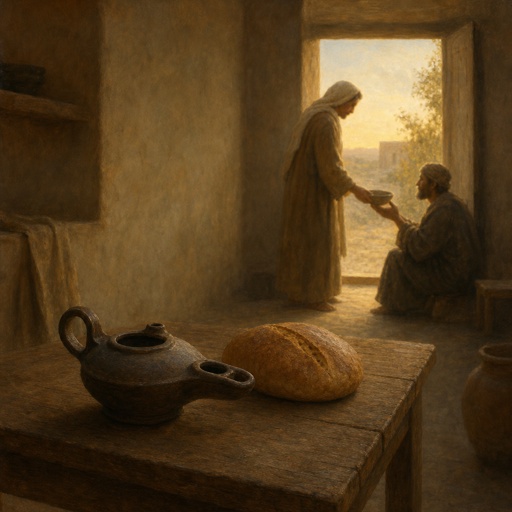
"Even so faith, if it hath not works, is dead, being alone." - James 2:17

JAMES 4:17

James 1:17

James 1:17

James 1:17

James 1:17

James 1:17

Mark 3:17 - "And James the son of Zebedee, and John the brother of James; and he surnamed them Boanerges, which is, The sons of thunder:"

James 1:17-22

2 Peter 2:18 (KJVA) 18 For when they speak great swelling words of vanity, they allure through the lusts of the flesh, through much wantonness, those that were clean escaped from them who live in error.

James 2:18 - "Yea, a man may say, Thou hast faith, and I have works: shew me thy faith without thy works, and I will shew thee my faith by my works."

James 3:18 - "And the fruit of righteousness is sown in peace of them that make peace."

James 4:17 - "Therefore to him that knoweth to do good, and doeth it not, to him it is sin."

2 Chronicles 17:18 - "And next him was Jehozabad, and with him an hundred and fourscore thousand ready prepared for the war."
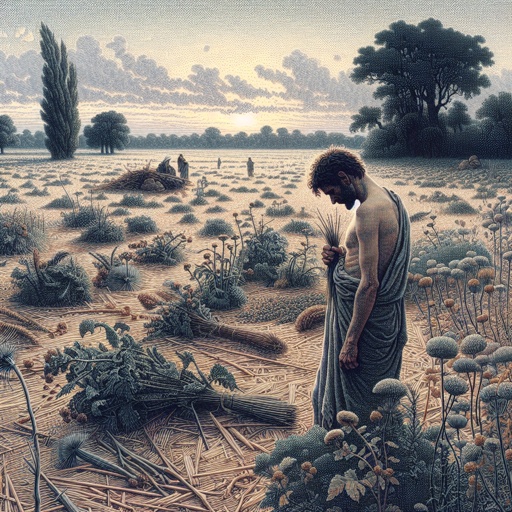
Genesis 3:17-18 KJVA (17) And unto Adam he said, Because thou hast hearkened unto the voice of thy wife, and hast eaten of the tree, of which I commanded thee, saying, Thou shalt not eat of it: cursed is the ground for thy sake; in sorrow shalt thou eat of it all the days of thy life; (18) Thorns also and thistles shall it bring forth to thee; and thou shalt eat the herb of the field;

Matthew 17:1-3: After six days Jesus took with him Peter, James and John the brother of James, and led them up a high mountain by themselves. 2 There he was transfigured before them. His face shone like the sun, and his clothes became as white as the light. 3 Just then there appeared before them Moses and Elijah, talking with Jesus.

James 2:2-4

Matthew 17:1-3: After six days Jesus took with him Peter, James and John the brother of James, and led them up a high mountain by themselves. 2 There he was transfigured before them. His face shone like the sun, and his clothes became as white as the light. 3 Just then there appeared before them Moses and Elijah, talking with Jesus.

Matthew 17:1-3: After six days Jesus took with him Peter, James and John the brother of James, and led them up a high mountain by themselves. 2 There he was transfigured before them. His face shone like the sun, and his clothes became as white as the light. 3 Just then there appeared before them Moses and Elijah, talking with Jesus.

Mark 3:18 - "And Andrew, and Philip, and Bartholomew, and Matthew, and Thomas, and James the son of Alphaeus, and Thaddaeus, and Simon the Canaanite,"

James 5:18 - "And he prayed again, and the heaven gave rain, and the earth brought forth her fruit."

Acts 21:18 - "And the day following Paul went in with us unto James; and all the elders were present."

Genesis 2:17 KJVA (17) But of the tree of the knowledge of good and evil, thou shalt not eat of it: for in the day that thou eatest thereof thou shalt surely die.
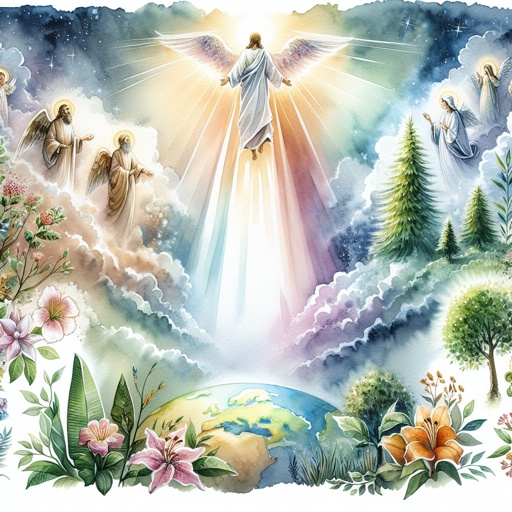
James 1:17-18 Every good and perfect gift is from above, coming down from the Father of the heavenly lights, who does not change like shifting shadows. He chose to give us birth through the word of truth, that we might be a kind of firstfruits of all he created.