What does James 2:19 mean?
“Thou believest that there is one God; thou doest well: the devils also believe, and tremble.” — James 2:19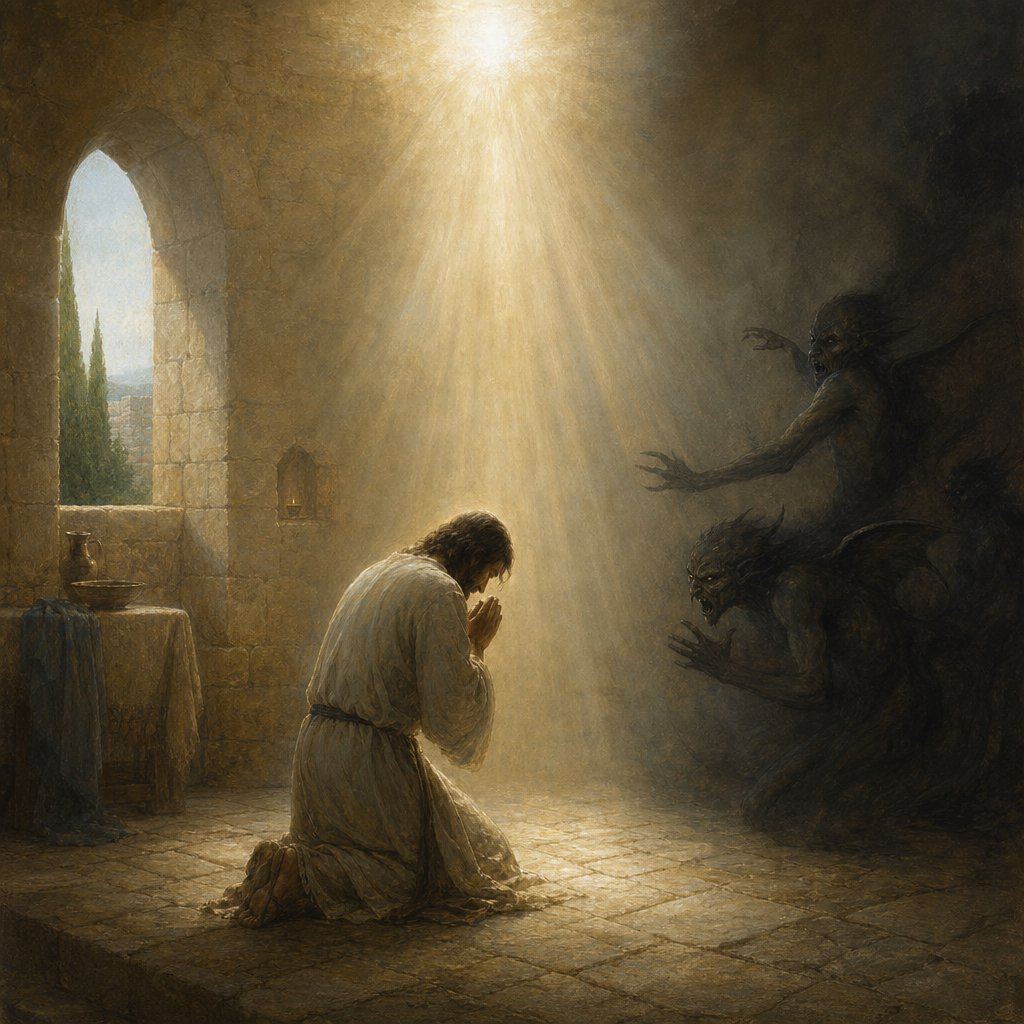
James 2:19 in the King James Version reads, “Thou believest that there is one God; thou doest well: the devils also believe, and tremble.” James is speaking to people who are confident that their faith is sound because they hold an orthodox confession about God. In the immediate flow of James 2, he is arguing that a faith that remains only in words and claims, without the “works” that accompany true living faith, is empty and unable to save. The verse is therefore not a dismissal of correct doctrine, but a piercing exposure of how far correct doctrine can be from a transformed life.
The first phrase, “Thou believest that there is one God,” touches the central confession of biblical monotheism. To confess “one God” is to stand in line with the foundational truth Israel held dear, the kind of creed a devout hearer would instinctively affirm as the bedrock of faithfulness. When James adds, “thou doest well,” he grants that such belief is good as far as it goes. He does not mock the truth of the doctrine. He acknowledges its correctness and its importance. Yet he immediately presses the point that correctness alone is not the same thing as saving faith.
The force of the verse comes in the comparison: “the devils also believe, and tremble.” James uses “devils” to make the contrast unmistakable. If even devils “believe” in the sense that they recognize the reality of God, then mere acknowledgment of God’s existence cannot be the defining mark of true faith. The devils are not atheists; they are not confused about whether God is real. They have a kind of belief that is entirely compatible with rebellion. Their “belief” is not trust, love, submission, or repentance; it is recognition. In this way James distinguishes between belief as mental assent and faith as a living reliance upon God that necessarily expresses itself outwardly.
The word “tremble” adds a symbolic and theological weight. It shows that the devils’ belief is joined to fear, not fellowship; to dread, not devotion. Their trembling is an involuntary reaction to the holiness and authority of the God they oppose. It implies that they know something true about God’s power and judgment. They are not comforted by God’s oneness; they are terror-struck by it, because the one God is sovereign, and His rule cannot be evaded. This trembling functions like a dark mirror: it reveals that there can be an awareness of divine truth that produces emotion, even strong emotion, without producing obedience. Fear alone is not faith; knowledge alone is not righteousness.
In the broader context of James 2, this verse serves James’s larger theme that genuine faith is shown, demonstrated, and completed in a life that acts. Just before and after, James argues that faith that does not clothe the naked or feed the hungry is dead, and he insists that faith without works is dead. James 2:19 is strategically placed to dismantle a common refuge: the idea that having the right theological statement is enough. James does not argue against doctrine; he argues against reducing faith to doctrine only. Orthodoxy that never becomes obedience is not the faith that unites a person to God. The devils can “believe” orthodox facts, yet remain devils.
The verse also carries a sharp pastoral warning. It confronts complacency, the tendency to rest in a confession while neglecting the fruit of that confession. If a person says, “I believe,” yet lives unchanged, James’s comparison is meant to unsettle that person’s false security. It is not saying that works replace faith, but that the kind of faith that saves is never alone. The significance of James 2:19 is that it draws a clear line between acknowledging God and trusting God, between stating truth and yielding to truth. It calls the reader to examine whether belief is merely an idea held in the mind, or a living faith that bends the will, directs the life, and bears visible fruit consistent with the God confessed as “one.”
Get our apps


Artwork for James 2:19

James 2:19 - "Thou believest that there is one God; thou doest well: the devils also believe, and tremble."
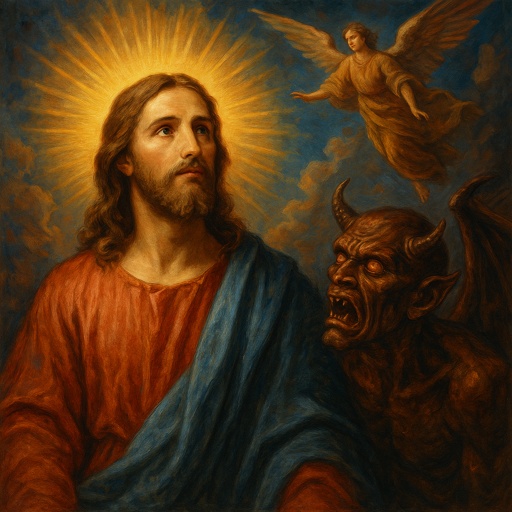
"Thou believest that there is one God; thou doest well: the devils also believe, and tremble." - James 2:19

James 2:19-20 - "You believe that there is one God. Good! Even the demons believe that—and shudder. You foolish person, do you want evidence that faith without deeds is useless?"
"Thou believest that there is one God; thou doest well: the devils also believe, and tremble." - James 2:19
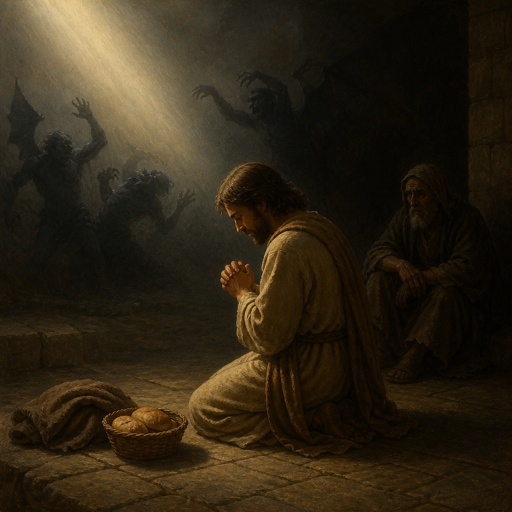
"You believe that there is one God. Good! Even the demons believe that—and shudder. You foolish person, do you want evidence that faith without deeds is useless?" - James 2:19-20

James 1:19

Galatians 1:19 - "But other of the apostles saw I none, save James the Lord's brother."

James 5:19 - "Brethren, if any of you do err from the truth, and one convert him;"

James 2:2-4

James 1:19 - "Wherefore, my beloved brethren, let every man be swift to hear, slow to speak, slow to wrath:"

james 2:26

James 1:2-13

James 1: 2-4

James 1:2-13

James 1:2-4

James 5:2 - "Your riches are corrupted, and your garments are motheaten."

Acts 12:2 - "And he killed James the brother of John with the sword."

James 2:15 - "If a brother or sister be naked, and destitute of daily food,"

James 2:4 - "Are ye not then partial in yourselves, and are become judges of evil thoughts?"

James 2:7 - "Do not they blaspheme that worthy name by the which ye are called?"
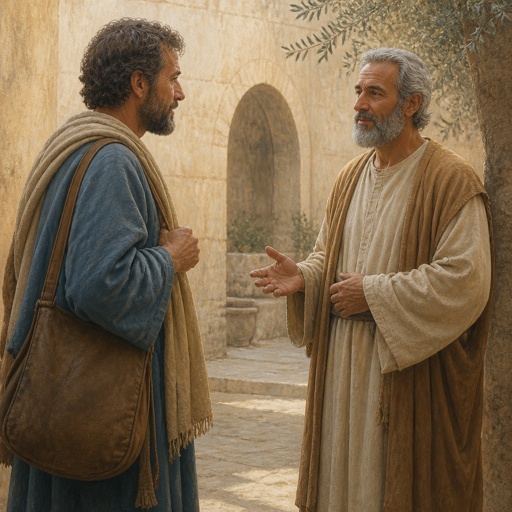
"But other of the apostles saw I none, save James the Lord's brother." - Galatians 1:19

Mark 1:19 - "And when he had gone a little further thence, he saw James the son of Zebedee, and John his brother, who also were in the ship mending their nets."

James 2:17 - "Even so faith, if it hath not works, is dead, being alone."

James 2:24 - "Ye see then how that by works a man is justified, and not by faith only."

James 2:12 - "So speak ye, and so do, as they that shall be judged by the law of liberty."
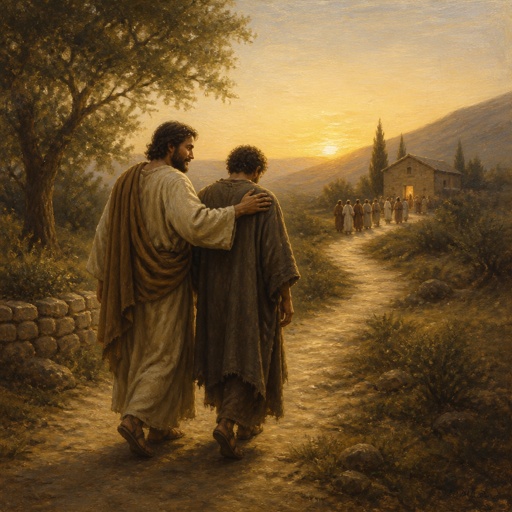
"Brethren, if any of you do err from the truth, and one convert him;" - James 5:19

James 2:2 - "For if there come unto your assembly a man with a gold ring, in goodly apparel, and there come in also a poor man in vile raiment;"

James 2:26 - "For as the body without the spirit is dead, so faith without works is dead also."

James 1:2 - "My brethren, count it all joy when ye fall into divers temptations;"

James 2:20 - "But wilt thou know, O vain man, that faith without works is dead?"