What does James 4:1-2 mean?
"What causes fights and quarrels among you? Don’t they come from your desires that battle within you? You desire but do not have, so you kill. You covet but you cannot get what you want, so you quarrel and fight. You do not have because you do not ask God." - James 4:1-2
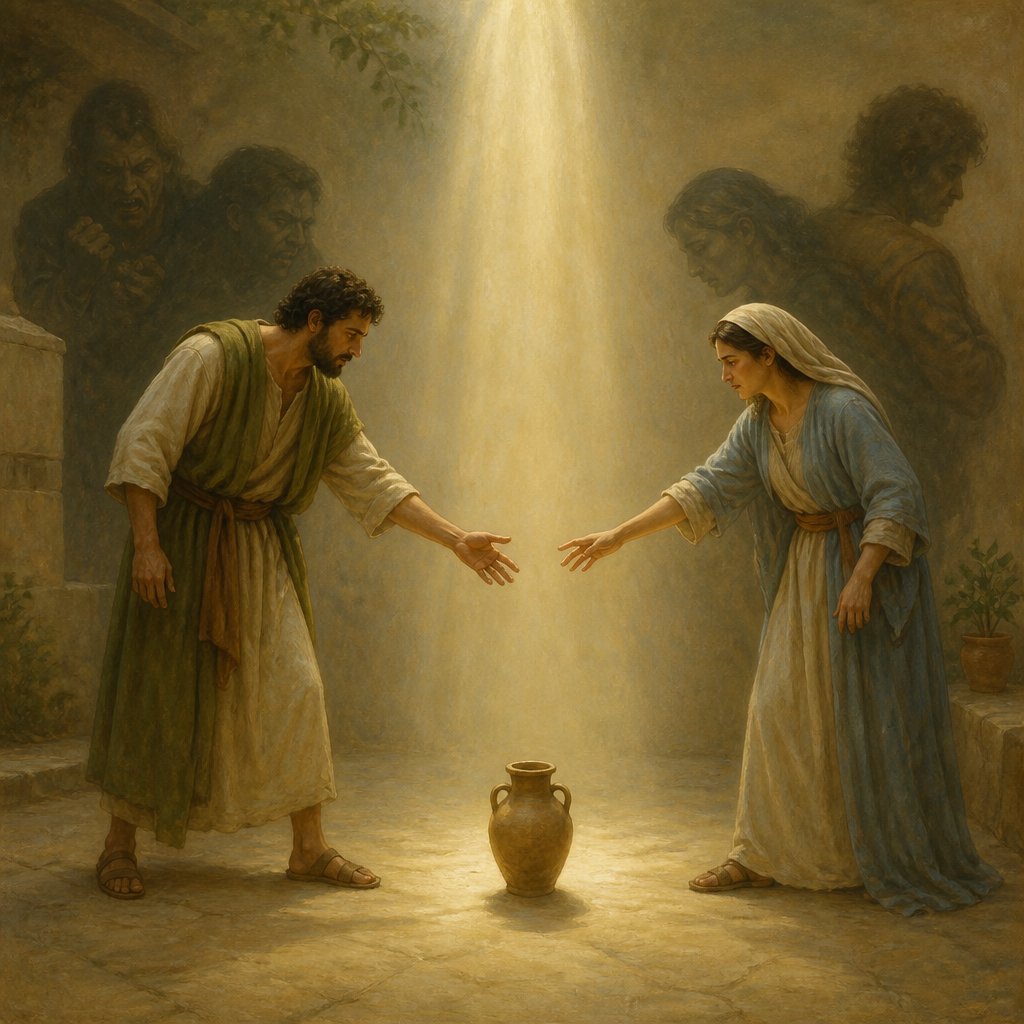
James 4:1-2 in the King James Version (KJV) says, "From whence come wars and fightings among you? come they not hence, even of your lusts that war in your members? Ye lust, and have not: ye kill, and desire to have, and cannot obtain: ye fight and war, yet ye have not, because ye ask not."
This passage from the book of James addresses the issue of conflict and strife within the Christian community. In these verses, James is addressing the behavior of the early Christians, admonishing them for their selfish and envious attitudes that have led to quarrels and disputes. This passage delves into the root causes of these conflicts, addressing them as symptoms of uncontrolled desires and longings.
The overarching theme of this passage is the destructive nature of unchecked desires and the havoc they can wreak within a community. James is pointing out that the source of conflicts and fights among the believers stems from their own selfish and self-serving desires. He identifies these desires as the root cause of the quarrels and disputes that arise within the Christian community.
The context of this passage is important in understanding its meaning. During the time when James wrote this letter, the early Christian community was facing various trials and challenges. There were conflicts arising within the church, and James saw the need to address these issues and provide guidance to the believers. The cultural and social context of that time also plays a role, as it was common for people to struggle with envy, greed, and selfish ambition. However, in the passage, James urges the believers to address these issues and to seek a deeper understanding of their own motivations and desires.
The symbolism in this passage lies in the imagery of wars and fightings. It serves as a metaphor for the internal and external conflicts that arise from uncontrolled desires. James uses this imagery to illustrate the destructive nature of these conflicts and the turmoil they create within the community. He also uses the imagery of war to highlight the severity of these conflicts and the need for resolution and reconciliation.
Furthermore, the passage highlights the importance of seeking God's help in addressing these conflicts. James points out that the believers do not have what they desire because they do not ask God. This emphasizes the need for humility and dependence on God in dealing with their struggles and desires. By seeking God's guidance and wisdom, they can overcome their self-centered desires and find peace within themselves and the community.
In conclusion, James 4:1-2 in the King James Version sheds light on the destructive nature of unchecked desires and longings. It serves as a timeless reminder for believers to examine their own motivations and attitudes, and to seek God's help in overcoming conflicts and disputes. The passage provides valuable insights into human nature and the importance of seeking spiritual growth and transformation. It serves as a call to self-reflection and a guide for fostering peace and harmony within the Christian community.
Have questions about James 4:1-2?
Dive deeper into this scripture with Bible Chat — an AI-powered tool for exploring God's Word through conversation. Ask questions, get context, and grow in your understanding of the Bible.
Get Our Apps


James 4:1-2 Artwork

James 4:1-2 - "What causes fights and quarrels among you? Don’t they come from your desires that battle within you? You desire but do not have, so you kill. You covet but you cannot get what you want, so you quarrel and fight. You do not have because you do not ask God."
"What causes fights and quarrels among you? Don’t they come from your desires that battle within you? You desire but do not have, so you kill. You covet but you cannot get what you want, so you quarrel and fight. You do not have because you do not ask God." - James 4:1-2

James 2:2-4

James 1:2-4

James 1: 2-4

James 2:4 - "Are ye not then partial in yourselves, and are become judges of evil thoughts?"

Ephesians 4:1-2

Ephesians 4:1-2

Ephesians 4:1-2

Ephesians 4:1-2

Ephesians 4:1-2

Ephesians 4:1-2

Ephesians 4:1-2

Ephesians 4:1-2

Ephesians 4:1-2

Ephesians 4:1-2

Ephesians 4:1-2

Ephesians 4:1-2

James 1:2-13

James 1:2-13

1 Corinthians 4:1-2

Matthew 10:2-4…Matthew 10:2-4 New International Version 2 These are the names of the twelve apostles: first, Simon (who is called Peter) and his brother Andrew; James son of Zebedee, and his brother John; 3 Philip and Bartholomew; Thomas and Matthew the tax collector; James son of Alphaeus, and Thaddaeus; 4 Simon the Zealot and Judas Iscariot, who betrayed him.

Matthew 10:2-4…Matthew 10:2-4 New International Version 2 These are the names of the twelve apostles: first, Simon (who is called Peter) and his brother Andrew; James son of Zebedee, and his brother John; 3 Philip and Bartholomew; Thomas and Matthew the tax collector; James son of Alphaeus, and Thaddaeus; 4 Simon the Zealot and Judas Iscariot, who betrayed him.

James 1:4 - "But let patience have her perfect work, that ye may be perfect and entire, wanting nothing."

James 4:4

James 4:10

James 4:10

James 4:10

James 4:10

James 4:7