What does James 4:12 mean?
“There is one lawgiver, who is able to save and to destroy: who art thou that judgest another?” — James 4:12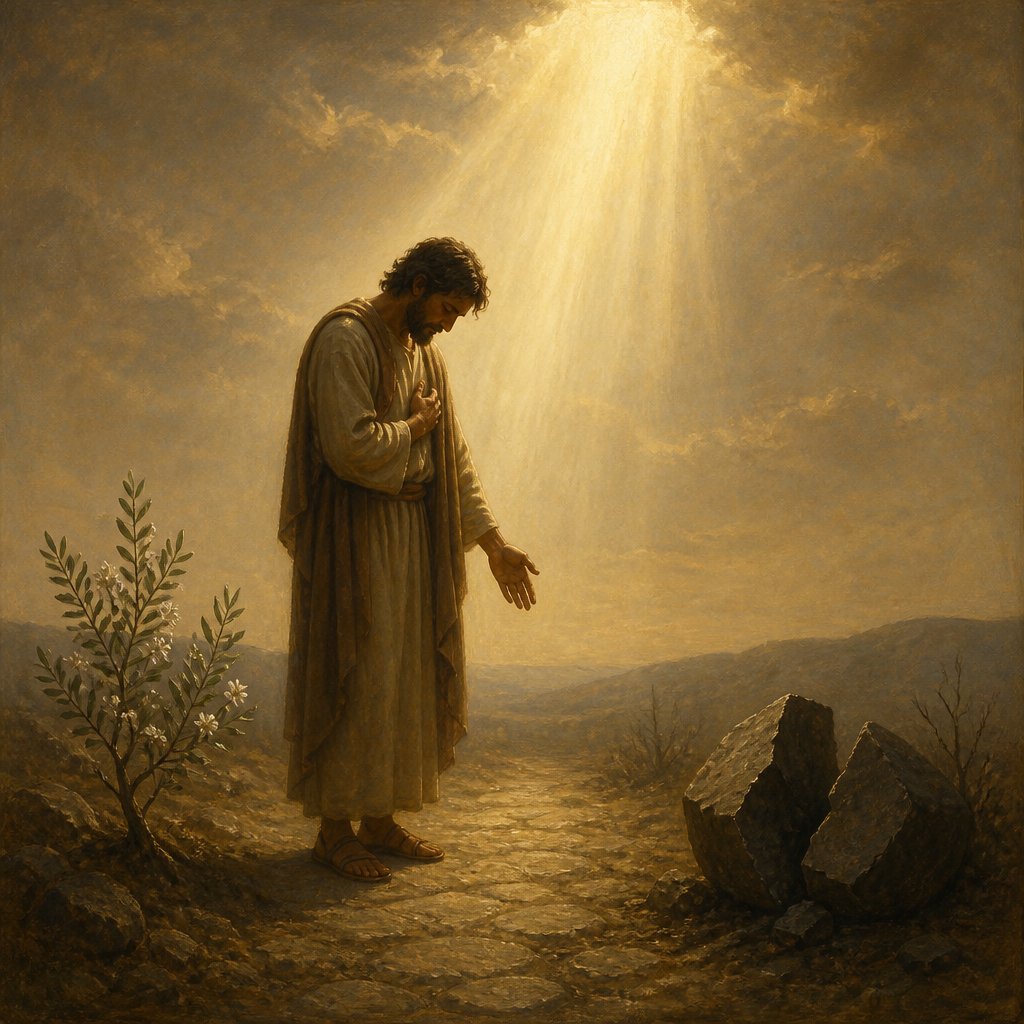
James 4:12 from the King James Version of the Bible states, "There is one lawgiver, who is able to save and to destroy: who art thou that judgest another?" This verse is found in the New Testament book of James, which is believed to have been written by James, the brother of Jesus. The book of James is a letter written to the early Christian church, addressing important moral and ethical issues that were affecting the community. In this particular verse, James is addressing the issue of judgment and the authority to do so.
The verse begins by acknowledging that there is only one lawgiver, who has the authority to both save and destroy. This is a reference to God, who is the ultimate judge and holds the power over life and death. The verse then challenges the reader by asking, "who art thou that judgest another?" This question serves as a reminder that as human beings, we do not have the ultimate authority to judge others, as only God has that right.
The theme of judgment and the limitations of human judgment is central to this verse. It serves as a reminder to the early Christian community, and to Christians today, that only God has the ultimate authority to judge. This challenges the reader to consider their own actions and attitudes towards others, and to recognize the importance of humility and compassion in their interactions with others.
The context of this verse is important in understanding its meaning. In the early Christian community, there may have been a tendency for individuals to pass judgment on one another. This could have been due to differences in beliefs, practices, or behaviors. James is addressing this issue by reminding the community that they are not the ultimate judge, and should therefore be careful in how they treat and view others.
The verse also carries significant symbolism. The idea of God as the ultimate lawgiver, who is able to save and destroy, represents the divine authority and power of God. This serves as a reminder of the sovereignty of God, and the limitations of human authority. The question, "who art thou that judgest another?" serves as a direct challenge to the reader to reflect on their own position and actions, and to recognize the need for humility and respect towards others.
Ultimately, James 4:12 offers a powerful message about the dangers of judgment and the need for humility and compassion. It serves as a reminder of the ultimate authority of God, and the limitations of human judgment. This verse encourages the reader to consider their own actions and attitudes towards others, and to approach their interactions with humility and grace. It is a timeless message that continues to be relevant for Christians today, as it challenges us to live out our faith with love and understanding towards our fellow human beings.
Get our apps


Artwork for James 4:12

James 4:12 - "There is one lawgiver, who is able to save and to destroy: who art thou that judgest another?"
"There is one lawgiver, who is able to save and to destroy: who art thou that judgest another?" - James 4:12

James 4:4

James 4:10

James 4:7

James 4:7

James 4:10

James 4:10

James 4:10

James 4:10

James 4:10

James 4:10

James 4:10

James 4:10

James 4:10

James 4:7

James 4:7

James 4:10

James 4:10

James 4:10

James 4:10

James 4:10

James 4:7

James 4:10

James 4:10

James 4:10

James 4:10

James 4:7

James 4:10

James 4:7