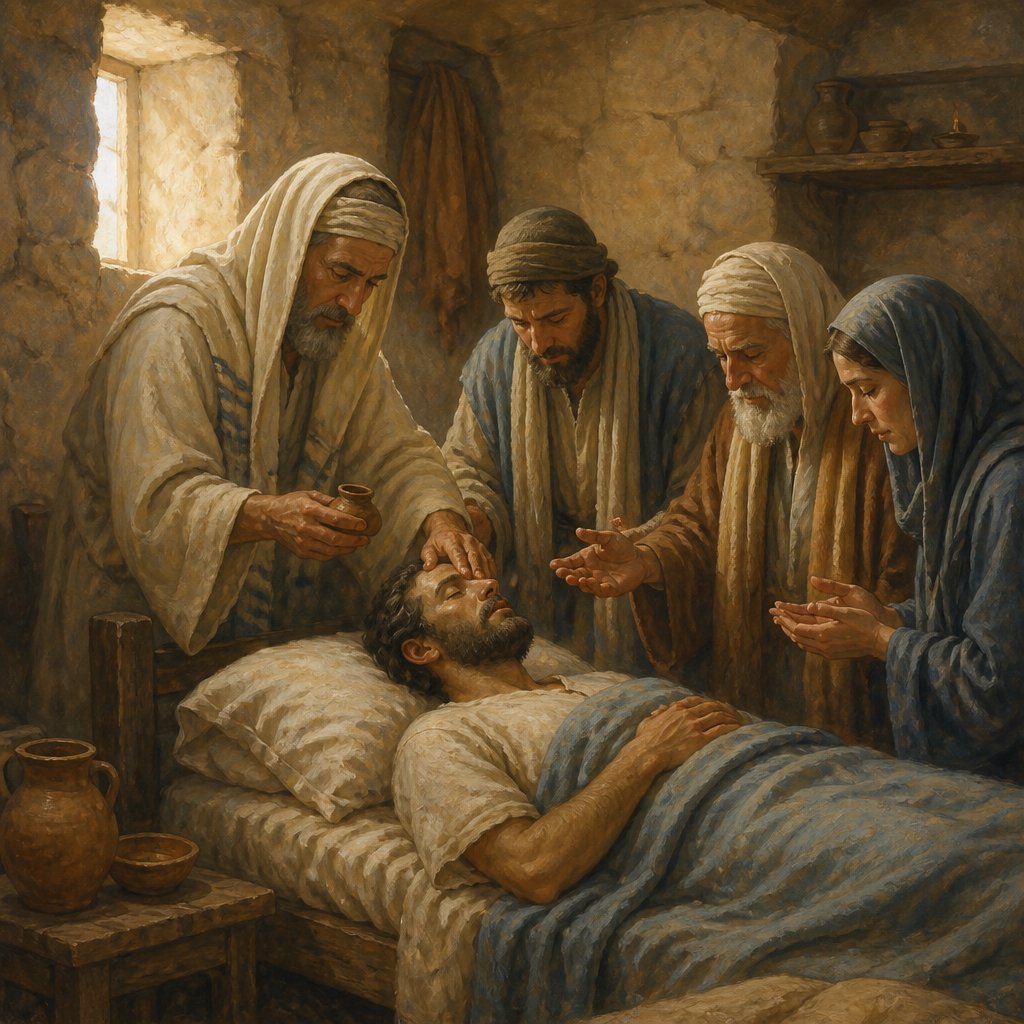
James 5:14-16 in the King James Version states, "Is any sick among you? let him call for the elders of the church; and let them pray over him, anointing him with oil in the name of the Lord: And the prayer of faith shall save the sick, and the Lord shall raise him up; and if he have committed sins, they shall be forgiven him. Confess your faults one to another, and pray one for another, that ye may be healed. The effectual fervent prayer of a righteous man availeth much."
This passage from the book of James offers practical advice for the Christian community when it comes to dealing with sickness and sin. It touches on themes of healing, forgiveness, and the power of prayer, and highlights the importance of communal support and accountability.
Context is important when interpreting any passage from the Bible, and this verse is no exception. The book of James is traditionally attributed to James the Just, who was a leader in the early Christian church and the brother of Jesus. The book is written as a letter to Jewish Christians scattered throughout the Roman Empire, and it addresses various practical and ethical issues facing the Christian community at the time.
The passage starts by addressing the issue of sickness within the community. It encourages those who are sick to call for the elders of the church, who are considered to be spiritual leaders and guides. This act of reaching out for help and support demonstrates a reliance on the community and a recognition of the need for spiritual intervention in times of illness. The anointing with oil in the name of the Lord symbolizes the act of consecration and setting apart for God's healing touch.
The passage then pivots to the power of prayer and the importance of faith. It asserts that the prayer of faith can bring healing and restoration to the sick, and that the Lord will raise them up. This demonstrates the belief in the supernatural power of prayer and the belief in a God who is able to intervene in the physical realm. The connection between healing and forgiveness is also emphasized, suggesting that sin may be connected to illness and that healing can come with a sense of spiritual restoration.
The passage also addresses the practice of confession and mutual prayer within the Christian community. It encourages believers to confess their faults to one another and to pray for one another, with the ultimate goal of healing and restoration. This illustrates the importance of accountability and support within the Christian community, as well as the recognition of the need for communal healing and growth.
The verse concludes with a powerful statement about the efficacy of fervent prayer from a righteous person. It states that such prayers are effective and powerful, suggesting that the spiritual condition of the one who prays has an impact on the effectiveness of their prayers. This serves as a reminder of the importance of personal righteousness and faith in the context of prayer and intercession.
Symbolism plays a significant role in the interpretation of this passage. The oil used in the anointing ceremony represents consecration and the presence of the Holy Spirit. This act symbolizes the setting apart of the sick person for God's healing touch and intervention. Prayer is also symbolically linked to the idea of lifting up one's concerns and needs to a higher power, and the act of confession symbolizes the Christian value of honesty, transparency, and accountability within the community.
In conclusion, James 5:14-16 offers practical guidance for the Christian community when it comes to dealing with sickness, sin, and the power of prayer. It emphasizes the importance of communal support, accountability, and faith in the context of healing and restoration. The passage is a reminder of the supernatural power of prayer and the importance of personal righteousness and faith in the Christian walk.
Get our apps


Artwork for James 5:14-16

James 5:14-16 - "Is anyone among you sick? Let them call the elders of the church to pray over them and anoint them with oil in the name of the Lord. And the prayer offered in faith will make the sick person well; the Lord will raise them up. If they have sinned, they will be forgiven. Therefore confess your sins to each other and pray for each other so that you may be healed. The prayer of a righteous person is powerful and effective."
"Is anyone among you sick? Let them call the elders of the church to pray over them and anoint them with oil in the name of the Lord. And the prayer offered in faith will make the sick person well; the Lord will raise them up. If they have sinned, they will be forgiven. Therefore confess your sins to each other and pray for each other so that you may be healed. The prayer of a righteous person is powerful and effective." - James 5:14-16

James 5:16

James 5:16

James 5:16

James 5:16

James 5:14-15

James 5:16 - "Confess your faults one to another, and pray one for another, that ye may be healed. The effectual fervent prayer of a righteous man availeth much."

James 5:14 - "Is any sick among you? let him call for the elders of the church; and let them pray over him, anointing him with oil in the name of the Lord:"

"Confess your faults one to another, and pray one for another, that ye may be healed. The effectual fervent prayer of a righteous man availeth much." - James 5:16

Sermon on the mount Matthew 5 14-16 Let your light shine

Mark 5:37 - "And he suffered no man to follow him, save Peter, and James, and John the brother of James."

James 1:16 - "Do not err, my beloved brethren."

James 21:5-120

James 1:5-20

James 3:14-16 - "But if you harbor bitter envy and selfish ambition in your hearts, do not boast about it or deny the truth. Such “wisdom” does not come down from heaven but is earthly, unspiritual, demonic. For where you have envy and selfish ambition, there you find disorder and every evil practice."

James 3:16 - "For where envying and strife is, there is confusion and every evil work."

James 5:15-16 - "And the prayer offered in faith will make the sick person well; the Lord will raise them up. If they have sinned, they will be forgiven. Therefore confess your sins to each other and pray for each other so that you may be healed. The prayer of a righteous person is powerful and effective."
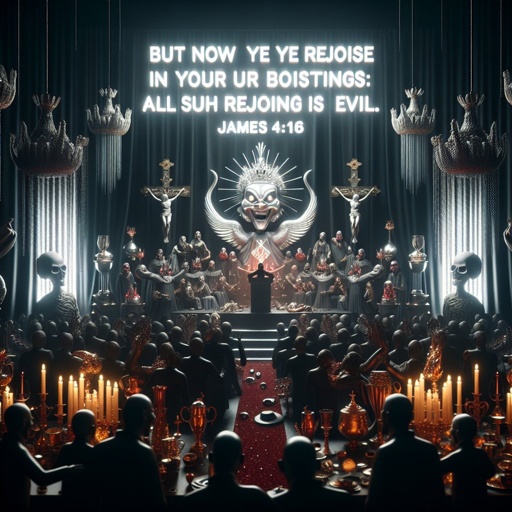
James 4:16 - "But now ye rejoice in your boastings: all such rejoicing is evil."

Luke 6:16 - "And Judas the brother of James, and Judas Iscariot, which also was the traitor."

James 5:7 – "Be patient, then, brothers and sisters, until the Lord’s coming."

James 5:7 – "Be patient, then, brothers and sisters, until the Lord’s coming."

James 5:2 - "Your riches are corrupted, and your garments are motheaten."

James 5:5 - "Ye have lived in pleasure on the earth, and been wanton; ye have nourished your hearts, as in a day of slaughter."

Mark 14:33 - "And he taketh with him Peter and James and John, and began to be sore amazed, and to be very heavy;"

James 3:14 - "But if ye have bitter envying and strife in your hearts, glory not, and lie not against the truth."

James 5:6 - "Ye have condemned and killed the just; and he doth not resist you."
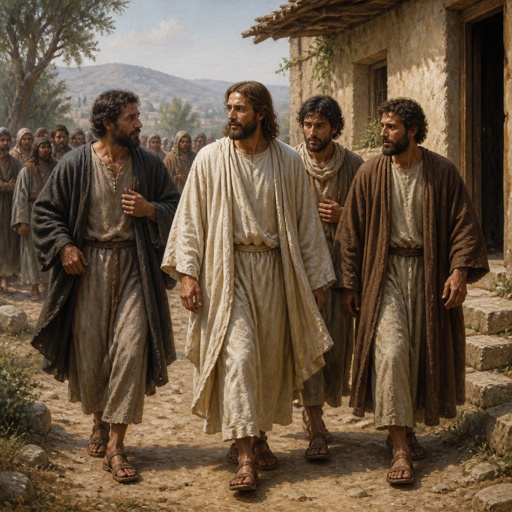
"And he suffered no man to follow him, save Peter, and James, and John the brother of James." - Mark 5:37

"Do not err, my beloved brethren." - James 1:16

James 1:14 - "But every man is tempted, when he is drawn away of his own lust, and enticed."