What does James 5:15 mean?
“And the prayer of faith shall save the sick, and the Lord shall raise him up; and if he have committed sins, they shall be forgiven him.” — James 5:15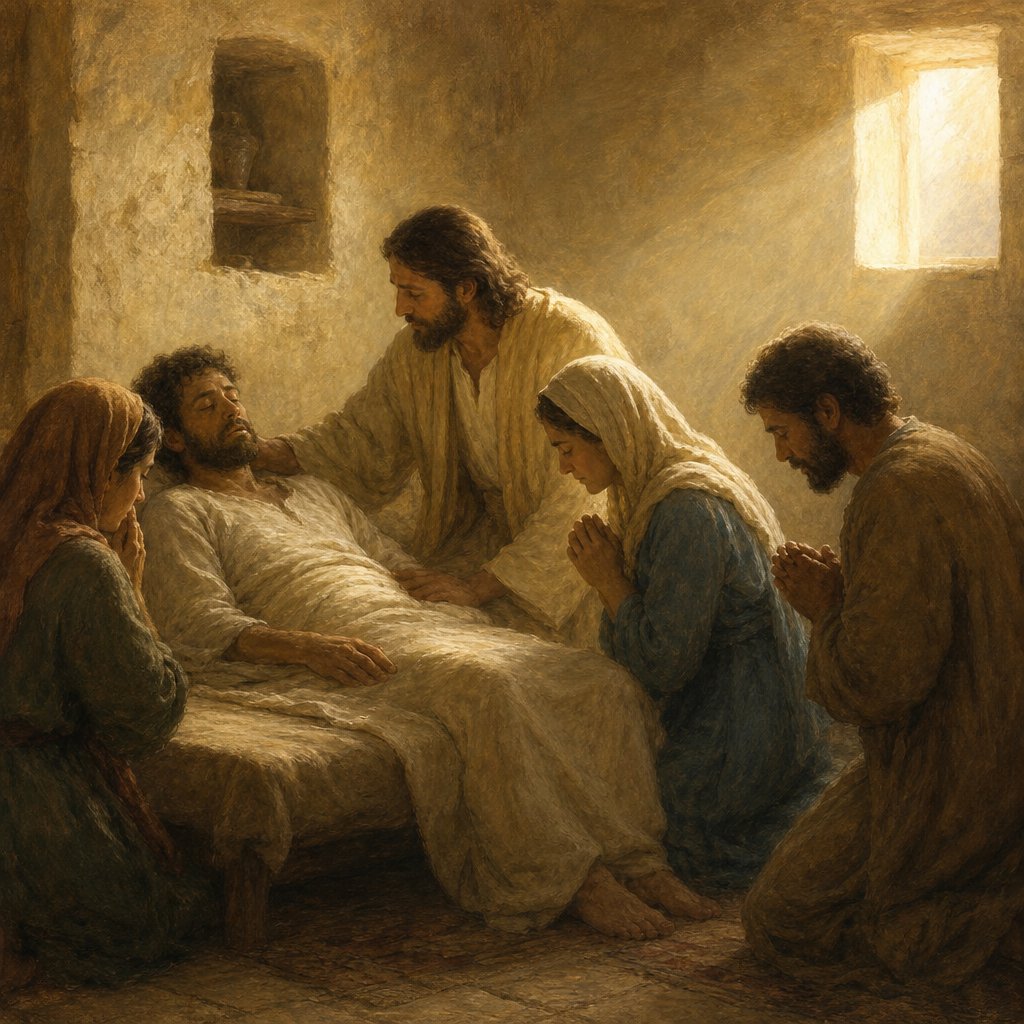
James 5:15 in the King James Version reads, “And the prayer of faith shall save the sick, and the Lord shall raise him up; and if he have committed sins, they shall be forgiven him.” In the flow of James’s closing exhortations, this sentence sits inside a very practical section about how believers should respond to suffering, joy, illness, and spiritual need. The epistle has already pressed that true religion shows itself in lived obedience, patient endurance, bridled speech, and humble dependence on God. Near the end, James turns from general instruction to concrete pastoral care: when life hurts, pray; when life is bright, sing; and when the body is weak, call for spiritual oversight and communal intercession.
The verse begins with “the prayer of faith,” which signals more than the mere act of asking. In James, “faith” is never treated as a bare profession; it is trust that leans on God and expresses itself in submission, obedience, and perseverance. Here it describes prayer offered with real reliance upon God’s power and will, not as a magical formula but as a believing appeal directed toward the Lord. The word “shall” gives the promise a confident tone, yet the promise is framed by the Lord’s sovereignty in the very next clause: the prayer of faith is effective because “the Lord” is the One who acts. James does not glorify the pray-er; he exalts the God who hears.
When the verse says the prayer of faith “shall save the sick,” the language of “save” carries a richness that fits James’s repeated concern for whole-person restoration. The same English word “save” commonly points to spiritual deliverance, but it can also denote rescue, preservation, and bringing someone out of danger. James’s immediate setting is physical sickness, because he has just spoken of someone being “sick” and needing the elders to pray. Yet the choice of the word “save,” paired with forgiveness of sins later in the verse, suggests that James is not limiting the hope to bodily improvement alone. Sickness in Scripture can be a purely physical affliction, but it can also become the occasion for spiritual searching, repentance, and renewal. James speaks to the total need of the person: the sufferer is not only a body in pain but a soul that must be shepherded toward God.
“The Lord shall raise him up” echoes the imagery of lifting someone who has been brought low. In ordinary pastoral terms it includes the possibility of physical recovery: the Lord restores strength and causes the sick to rise from the bed of weakness. But the phrase also resonates with broader biblical patterns where God “raises up” the humbled, restores the fallen, and vindicates those who wait on Him. Because James has already urged believers to “be patient” and to endure under oppression and trouble, “raise him up” also sounds like God’s gracious reversal of the condition of frailty—whether that frailty is sickness, discouragement, or spiritual heaviness. The symbolism is therefore both bodily and spiritual: the Lord is the lifter of the bowed down, the One who brings a person from helplessness into renewed life.
The final clause, “and if he have committed sins, they shall be forgiven him,” adds a crucial dimension. James does not state that sickness always comes from personal sin. He uses the conditional “if,” leaving room for cases where illness is not tied to wrongdoing. Yet he refuses to separate pastoral care of the body from care of the conscience. In times of illness, hidden guilt can rise to the surface, relationships may need mending, and the heart may need to be reoriented toward God. James therefore anchors the ministry to the sick in the gospel reality of forgiveness. The promise “they shall be forgiven him” points to God’s readiness to pardon the repentant, and it ties the experience of healing and restoration to reconciliation with God. This is not a picture of cold ritual; it is a picture of God drawing near to the afflicted with mercy that addresses both the consequences of living in a fallen world and the burdens of sin when sin is present.
The themes woven through the verse are communal responsibility, humble dependence, and the Lord’s active compassion. James places the sick person not in isolation but within the care of the church, where prayer is not a last resort but a primary response. The “prayer of faith” assumes a believing community that takes God seriously. The saving and raising are attributed to the Lord, keeping the focus on divine agency rather than human technique. The mention of sins and forgiveness keeps the passage from becoming a narrow promise of bodily outcomes detached from the deeper purpose of God: to restore people to Himself. Read this way, James 5:15 is significant because it holds together what people often pull apart—physical need and spiritual need, personal suffering and communal support, earnest prayer and God’s sovereign action—and it does so with the assurance that when God meets the sick, He meets them with power to restore and grace to forgive.
Get our apps


Artwork for James 5:15

James 5:15 - "And the prayer of faith shall save the sick, and the Lord shall raise him up; and if he have committed sins, they shall be forgiven him."

James 5:15-16 - "And the prayer offered in faith will make the sick person well; the Lord will raise them up. If they have sinned, they will be forgiven. Therefore confess your sins to each other and pray for each other so that you may be healed. The prayer of a righteous person is powerful and effective."
"And the prayer of faith shall save the sick, and the Lord shall raise him up; and if he have committed sins, they shall be forgiven him." - James 5:15

"And the prayer of faith shall save the sick, and the Lord shall raise him up; and if he have committed sins, they shall be forgiven him." - James 5:15
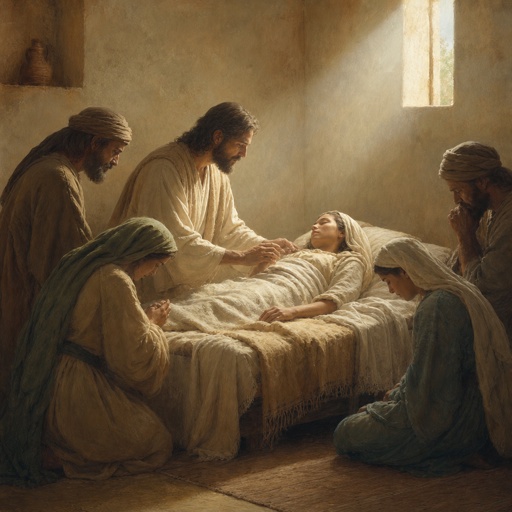
"And the prayer offered in faith will make the sick person well; the Lord will raise them up. If they have sinned, they will be forgiven. Therefore confess your sins to each other and pray for each other so that you may be healed. The prayer of a righteous person is powerful and effective." - James 5:15-16

James 5:14-15

Mark 5:37 - "And he suffered no man to follow him, save Peter, and James, and John the brother of James."

Exodus 5:15 KJV (15) Then the officers of the children of Israel came and cried unto Pharaoh, saying, Wherefore dealest thou thus with thy servants?

James 5:16

James 5:16

James 5:16

James 5:16
James 21:5-120

James 1:5-20

James 2:15 - "If a brother or sister be naked, and destitute of daily food,"

1 Corinthians 15:7 - "After that, he was seen of James; then of all the apostles."

James 3:15 - "This wisdom descendeth not from above, but is earthly, sensual, devilish."

Luke 6:15 - "Matthew and Thomas, James the son of Alphaeus, and Simon called Zelotes,"

James 4:15 - "For that ye ought to say, If the Lord will, we shall live, and do this, or that."

James 5:7 – "Be patient, then, brothers and sisters, until the Lord’s coming."

James 5:7 – "Be patient, then, brothers and sisters, until the Lord’s coming."

James 5:2 - "Your riches are corrupted, and your garments are motheaten."

James 5:5 - "Ye have lived in pleasure on the earth, and been wanton; ye have nourished your hearts, as in a day of slaughter."

James 5:6 - "Ye have condemned and killed the just; and he doth not resist you."
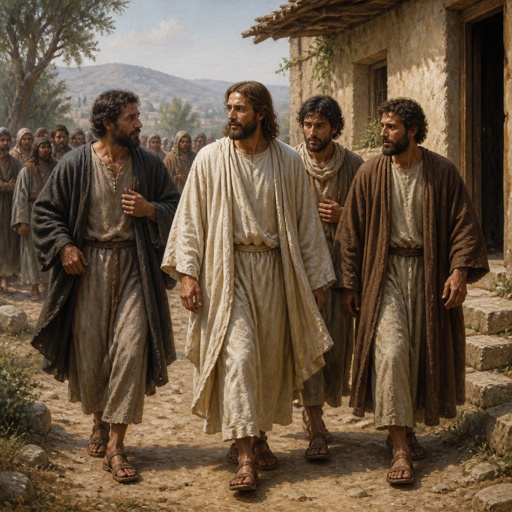
"And he suffered no man to follow him, save Peter, and James, and John the brother of James." - Mark 5:37

Acts 15:13 - "¶ And after they had held their peace, James answered, saying, Men and brethren, hearken unto me:"

James 5:8 - "Be ye also patient; stablish your hearts: for the coming of the Lord draweth nigh."

James 5:19 - "Brethren, if any of you do err from the truth, and one convert him;"

James 1:15 - "Then when lust hath conceived, it bringeth forth sin: and sin, when it is finished, bringeth forth death."

"If a brother or sister be naked, and destitute of daily food," - James 2:15