What does Jeremiah 11:17 mean?
"For the LORD of hosts, that planted thee, hath pronounced evil against thee, for the evil of the house of Israel and of the house of Judah, which they have done against themselves to provoke me to anger in offering incense unto Baal." - Jeremiah 11:17
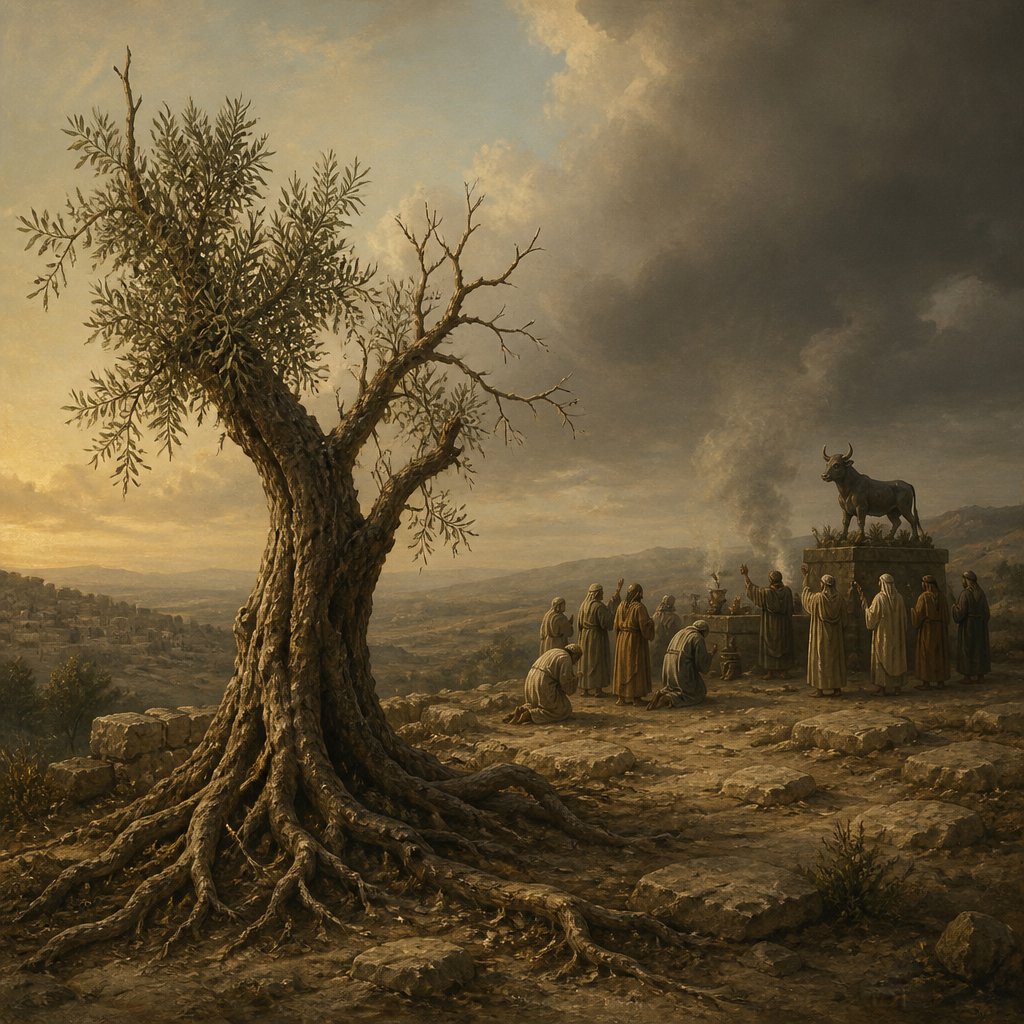
The Bible verse Jeremiah 11:17 from the King James Version (KJV) reads, "For the Lord of hosts, that planted thee, hath pronounced evil against thee, for the evil of the house of Israel and of the house of Judah, which they have done against themselves to provoke me to anger in offering incense unto Baal."
This verse is part of a larger passage in the book of Jeremiah in which the prophet delivers a message of judgment and warning to the nation of Israel. In this particular verse, Jeremiah is conveying the message that the Lord, who had planted and nourished the people of Israel, has pronounced evil against them. This pronouncement of evil is the result of the actions of the house of Israel and the house of Judah, who have provoked the Lord to anger by offering incense unto Baal, a false god.
The verse reflects a number of key themes, including the consequences of disobedience, the sovereignty and righteous judgment of God, and the faithfulness of God to His covenant with His people.
First, the verse underscores the consequences of disobedience and unfaithfulness. The people of Israel and Judah had turned away from the true worship of the Lord and had instead offered incense to Baal. This act of idolatry and unfaithfulness provoked the Lord to anger and resulted in His pronouncement of evil against them. Throughout the Bible, the theme of obedience and faithfulness to God's commands is emphasized, and this verse serves as a stark reminder of the consequences of disobedience.
Second, the verse highlights the sovereignty and righteous judgment of God. The Lord of hosts, who had planted and nourished the nation of Israel, has the authority and power to pronounce judgment against them. The use of the title "Lord of hosts" emphasizes God's sovereignty over all creation and emphasizes His role as the divine warrior who fights for His people and executes judgment. The pronouncement of evil against Israel and Judah is a demonstration of God's righteous judgment in response to their sinful actions.
Furthermore, the verse points to the faithfulness of God to His covenant with His people. Despite the disobedience and unfaithfulness of Israel and Judah, God remained committed to His covenant with them. The pronouncement of evil was a result of the people's violation of the covenant and a call to repentance and restoration. Throughout the book of Jeremiah, God's faithfulness to His covenant is a recurring theme, and even in the midst of judgment, there is always the promise of restoration for those who turn back to Him in repentance.
In terms of context, the book of Jeremiah was written during a tumultuous period in Israel's history. The nation was facing the imminent threat of invasion and destruction by the Babylonians due to their persistent disobedience and idolatry. Jeremiah was called by God to deliver a message of warning and judgment to the people, calling them to repentance and a return to faithful obedience to the Lord. The verse in question is part of Jeremiah's proclamation of God's judgment against Israel and Judah, emphasizing the serious consequences of their unfaithfulness.
Symbolism plays a significant role in this verse as well. The act of offering incense to Baal represents the people's turning away from the true worship of the Lord and embracing false gods. Baal was a Canaanite deity associated with fertility and was often worshiped through rituals involving incense and sacrifices. By offering incense to Baal, the people of Israel and Judah were symbolically rejecting the Lord as their provider and sustainer, and instead seeking fulfillment and blessing from a false god.
In conclusion, Jeremiah 11:17 from the King James Version of the Bible contains a profound message of warning and judgment for the nation of Israel and Judah. It serves as a reflection of the consequences of disobedience and unfaithfulness, the sovereignty and righteous judgment of God, and the faithfulness of God to His covenant with His people. The verse is a powerful reminder of the importance of obedience and faithfulness to God, and the serious repercussions of turning away from Him.
Have questions about Jeremiah 11:17?
Dive deeper into this scripture with Bible Chat — an AI-powered tool for exploring God's Word through conversation. Ask questions, get context, and grow in your understanding of the Bible.
Get Our Apps


Jeremiah 11:17 Artwork
Jeremiah 11:17 - "For the LORD of hosts, that planted thee, hath pronounced evil against thee, for the evil of the house of Israel and of the house of Judah, which they have done against themselves to provoke me to anger in offering incense unto Baal."
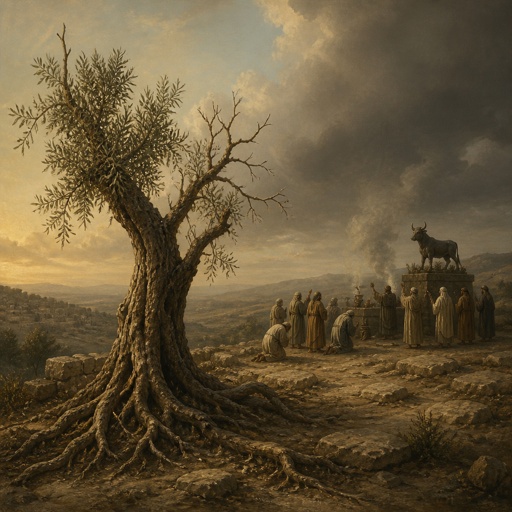
"For the LORD of hosts, that planted thee, hath pronounced evil against thee, for the evil of the house of Israel and of the house of Judah, which they have done against themselves to provoke me to anger in offering incense unto Baal." - Jeremiah 11:17

Jeremiah 17:11 - "As the partridge sitteth on eggs, and hatcheth them not; so he that getteth riches, and not by right, shall leave them in the midst of his days, and at his end shall be a fool."

Jeremiah 17:17 - "Be not a terror unto me: thou art my hope in the day of evil."

Jeremiah 11:1 - "The word that came to Jeremiah from the LORD, saying,"

Jeremiah 29:11-13

Jeremiah 29:11-13

Jeremiah 17:7-8

Jeremiah 29:11-13

Jeremiah 29:11-13

Jeremiah 17:7-8

Jeremiah 17:7-8

Jeremiah 17:7-8

Jeremiah 29:11

Jeremiah 29:11

Jeremiah 29:11

Jeremiah 29:11

Revelation 1:7

Ephesians 1:7

Ephesians 1:7

Jeremiah 39:11 - "¶ Now Nebuchadrezzar king of Babylon gave charge concerning Jeremiah to Nebuzar-adan the captain of the guard, saying,"

Revelation 1:7

Jeremiah 33:2-11

Jeremiah 33:2-11

Numbers 11:17

Exodus 17:11

"The word that came to Jeremiah from the LORD, saying," - Jeremiah 11:1

Jeremiah 28:17 - "So Hananiah the prophet died the same year in the seventh month."

Jeremiah 7:17 - "¶ Seest thou not what they do in the cities of Judah and in the streets of Jerusalem?"

Jeremiah 17:12 - "¶ A glorious high throne from the beginning is the place of our sanctuary."