What does Jeremiah 11:20 mean?
"But, O LORD of hosts, that judgest righteously, that triest the reins and the heart, let me see thy vengeance on them: for unto thee have I revealed my cause." - Jeremiah 11:20
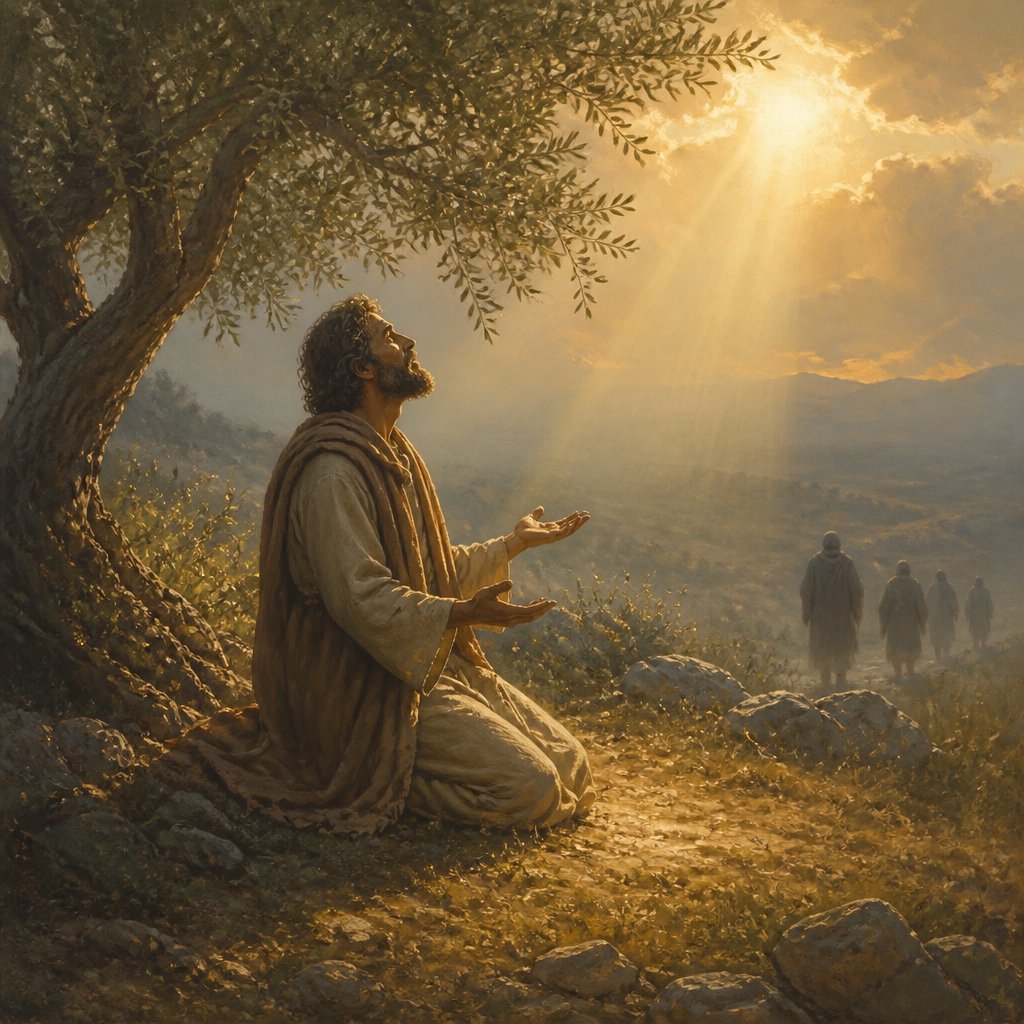
Jeremiah 11:20 (KJV) says, "But, O Lord of hosts, that judgest righteously, that triest the reins and the heart, let me see thy vengeance on them: for unto thee have I revealed my cause."
This verse comes from the book of Jeremiah in the Old Testament. Jeremiah was an Israelite prophet who lived during a time of great turmoil and upheaval in the nation of Judah. During this period, the people of Judah had turned away from God and were engaged in various forms of idolatry and other sinful practices. Jeremiah, as a prophet of God, was called to proclaim God's judgment and call the people back to faithfulness.
In this particular verse, Jeremiah is crying out to the Lord for justice. He acknowledges God's righteous judgment and asks to see God's vengeance on those who have wronged him. Throughout the book of Jeremiah, the prophet faces persecution and opposition from his own people as he delivers God's message to them. Jeremiah's prayer reflects his deep pain and frustration at the wickedness and injustice he sees around him.
One of the key themes in this verse is the concept of divine justice. Jeremiah appeals to the Lord as the "Lord of hosts," emphasizing God's sovereignty and power over all creation. He describes God as the one who "judges righteously" and "trieth the reins and the heart," highlighting God's intimate knowledge of the innermost thoughts and intentions of every person. Jeremiah's plea for vengeance is not a personal desire for revenge, but rather a recognition of God's role as the ultimate arbiter of justice.
This verse also reflects the theme of suffering and persecution for the sake of righteousness. Throughout his ministry, Jeremiah faced intense opposition and mistreatment from those who rejected his message. His plea for God's vengeance is a reflection of the suffering he endured as a faithful servant of the Lord. This theme of suffering for righteousness' sake is a recurring motif in the book of Jeremiah and is echoed in the New Testament teachings of Jesus and the apostles.
The context of this verse is important for understanding its significance. Jeremiah was living in a time of moral and spiritual decay in Judah, and he was called to confront the people with their sin and call them to repentance. However, his message was often met with hostility and rejection. Jeremiah faced opposition from false prophets, corrupt leaders, and the people themselves, who were resistant to his warnings and appeals for repentance.
The symbolism in this verse lies in the imagery of God as the righteous judge. The reins and the heart represent God's thorough knowledge and understanding of every individual, as well as his ability to discern the true motives and intentions behind their actions. Jeremiah's plea for vengeance on his enemies reflects his trust in God's justice and his confidence that God will ultimately vindicate him.
Overall, Jeremiah 11:20 is a powerful expression of Jeremiah's faith and dependence on God in the face of hardship and persecution. It reveals his deep longing for justice and righteousness in a world marked by sin and evil. The verse also serves as a reminder of God's sovereignty and his role as the ultimate judge who will one day set all things right.
Have questions about Jeremiah 11:20?
Dive deeper into this scripture with Bible Chat — an AI-powered tool for exploring God's Word through conversation. Ask questions, get context, and grow in your understanding of the Bible.
Get Our Apps


Jeremiah 11:20 Artwork

Jeremiah 11:20 - "But, O LORD of hosts, that judgest righteously, that triest the reins and the heart, let me see thy vengeance on them: for unto thee have I revealed my cause."
"But, O LORD of hosts, that judgest righteously, that triest the reins and the heart, let me see thy vengeance on them: for unto thee have I revealed my cause." - Jeremiah 11:20
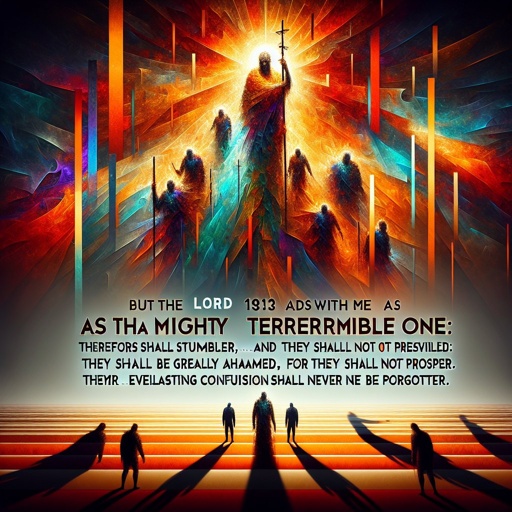
Jeremiah 20:11 - "But the LORD is with me as a mighty terrible one: therefore my persecutors shall stumble, and they shall not prevail: they shall be greatly ashamed; for they shall not prosper: their everlasting confusion shall never be forgotten."

Jeremiah 20:4

Jeremiah 11:1 - "The word that came to Jeremiah from the LORD, saying,"

Jeremiah 29:11-13

Jeremiah 29:11-13

Jeremiah 29:11-13

Jeremiah 29:11-13

Jeremiah 29:11

Jeremiah 20:2 - "Then Pashur smote Jeremiah the prophet, and put him in the stocks that were in the high gate of Benjamin, which was by the house of the LORD."

Jeremiah 20:3 - "And it came to pass on the morrow, that Pashur brought forth Jeremiah out of the stocks. Then said Jeremiah unto him, The LORD hath not called thy name Pashur, but Magor-missabib."

Jeremiah 29:11

Jeremiah 29:11

Jeremiah 29:11

Jeremiah 20:1 - "Now Pashur the son of Immer the priest, who was also chief governor in the house of the LORD, heard that Jeremiah prophesied these things."

Jeremiah 44:20 - "¶ Then Jeremiah said unto all the people, to the men, and to the women, and to all the people which had given him that answer, saying,"

Jeremiah 5:20 - "Declare this in the house of Jacob, and publish it in Judah, saying,"

Jeremiah 8:20 - "The harvest is past, the summer is ended, and we are not saved."

Jeremiah 39:11 - "¶ Now Nebuchadrezzar king of Babylon gave charge concerning Jeremiah to Nebuzar-adan the captain of the guard, saying,"

Jeremiah 16:20 - "Shall a man make gods unto himself, and they are no gods?"

Acts 20:11

Jeremiah 33:2-11

Jeremiah 33:2-11
Genesis 20-11

"The word that came to Jeremiah from the LORD, saying," - Jeremiah 11:1

Jeremiah 26:20 - "And there was also a man that prophesied in the name of the LORD, Urijah the son of Shemaiah of Kirjath-jearim, who prophesied against this city and against this land according to all the words of Jeremiah:"

Jeremiah 29:11 sticker elements

2 Chronicles 11:20

Jeremiah 46:20 - "Egypt is like a very fair heifer, but destruction cometh; it cometh out of the north."