What does Jeremiah 12:3 mean?
"But thou, O LORD, knowest me: thou hast seen me, and tried mine heart toward thee: pull them out like sheep for the slaughter, and prepare them for the day of slaughter." - Jeremiah 12:3
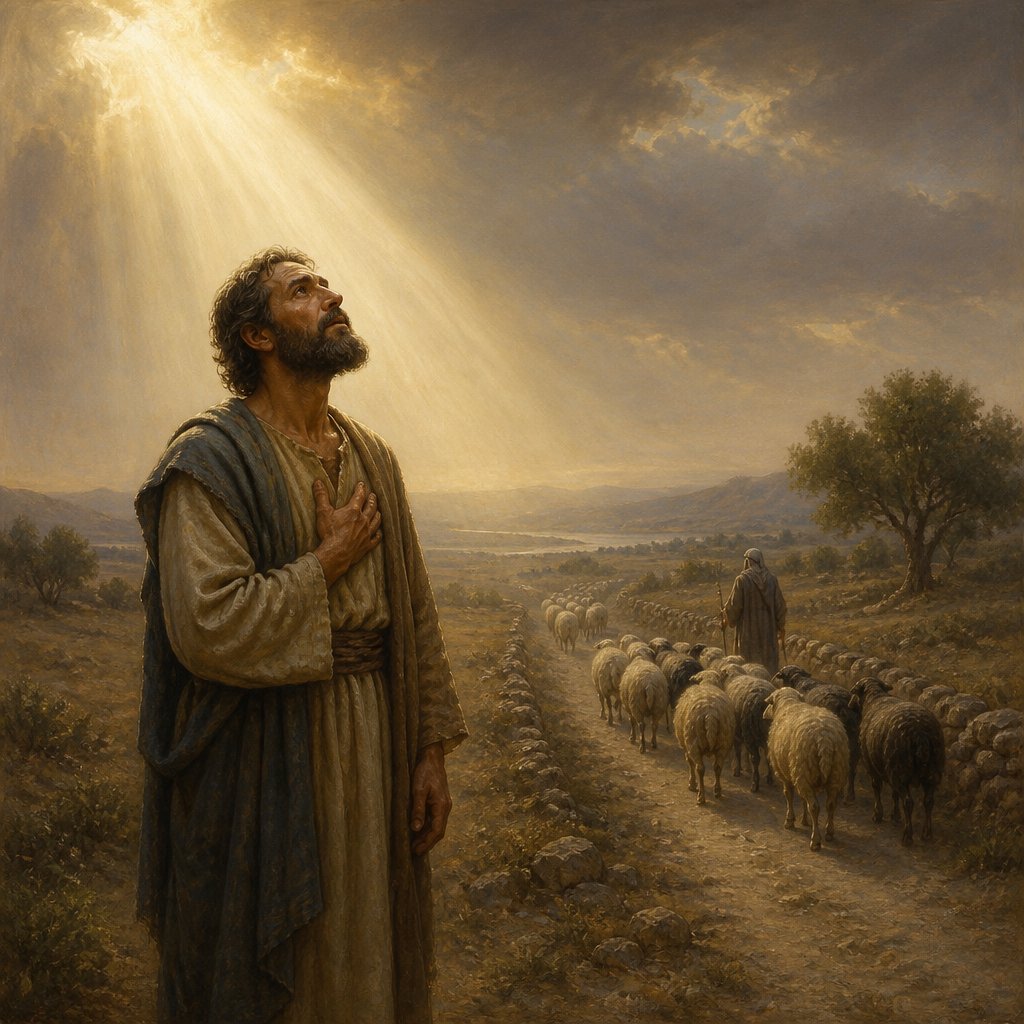
The Bible verse Jeremiah 12:3 from the King James Version reads, "But thou, O Lord, knowest me: thou hast seen me, and tried mine heart toward thee: pull them out like sheep for the slaughter, and prepare them for the day of slaughter." This passage from the Book of Jeremiah is a deeply personal and emotional cry from the prophet Jeremiah to the Lord.
The context of this verse is important to understand its meaning and significance. In the preceding verses, Jeremiah is lamenting the wickedness and prosperity of the wicked. He is questioning God, wondering why the wicked seem to prosper while the righteous suffer. This verse is Jeremiah's plea to God to take action against the wicked, to pull them out like sheep for the slaughter and prepare them for the day of judgment.
One of the key themes of this verse is the righteousness and justice of God. Jeremiah is expressing his faith in God's knowledge of him and his trust in God's judgment. Despite the apparent prosperity of the wicked, Jeremiah believes that God sees and knows his heart and will ultimately bring justice to the situation. This theme of divine justice and righteousness is seen throughout the Bible, and it is a source of hope and comfort for believers facing difficult and unjust circumstances.
Another important theme in this verse is the personal relationship between God and His people. Jeremiah's words reveal a deep intimacy and trust in his relationship with God. He acknowledges that God knows him intimately, has seen him, and has tested his heart toward Him. This theme of intimacy and trust in God is a recurring motif in the Bible, emphasizing the personal nature of God's relationship with His people.
The symbolism in this verse is also significant. The image of pulling out the wicked like sheep for the slaughter and preparing them for judgment evokes powerful and evocative imagery. It underscores the certainty and finality of God's judgment. The metaphor of the sheep being led to slaughter also has symbolic parallels to the wicked being led to their ultimate fate, mirroring the idea of God's judgment.
Overall, Jeremiah 12:3 is a powerful and emotional expression of faith, trust, and longing for justice. It reflects the human experience of grappling with difficult and unjust circumstances while ultimately placing trust in God's righteousness and justice. This verse resonates with believers as a reminder of the hope and comfort found in God's intimate knowledge of His people and His ultimate justice. It also serves as a call to trust in God's timing and sovereignty, knowing that He will ultimately bring about justice and righteousness in His perfect will.
Have questions about Jeremiah 12:3?
Dive deeper into this scripture with Bible Chat — an AI-powered tool for exploring God's Word through conversation. Ask questions, get context, and grow in your understanding of the Bible.
Get Our Apps


Jeremiah 12:3 Artwork

Jeremiah 12:3 - "But thou, O LORD, knowest me: thou hast seen me, and tried mine heart toward thee: pull them out like sheep for the slaughter, and prepare them for the day of slaughter."
"But thou, O LORD, knowest me: thou hast seen me, and tried mine heart toward thee: pull them out like sheep for the slaughter, and prepare them for the day of slaughter." - Jeremiah 12:3

Jeremiah 35:12 - "¶ Then came the word of the LORD unto Jeremiah, saying,"

Jeremiah 34:12 - "¶ Therefore the word of the LORD came to Jeremiah from the LORD, saying,"

Jeremiah 3:12 - "¶ Go and proclaim these words toward the north, and say, Return, thou backsliding Israel, saith the LORD; and I will not cause mine anger to fall upon you: for I am merciful, saith the LORD, and I will not keep anger for ever."

Jeremiah 28:12 - "Then the word of the LORD came unto Jeremiah the prophet, after that Hananiah the prophet had broken the yoke from off the neck of the prophet Jeremiah, saying,"

Nehemiah 12:12 - "And in the days of Joiakim were priests, the chief of the fathers: of Seraiah, Meraiah; of Jeremiah, Hananiah;"

Jeremiah 37:12 - "Then Jeremiah went forth out of Jerusalem to go into the land of Benjamin, to separate himself thence in the midst of the people."

Jeremiah 21:3 - "¶ Then said Jeremiah unto them, Thus shall ye say to Zedekiah:"

Jeremiah 38:12 - "And Ebed-melech the Ethiopian said unto Jeremiah, Put now these old cast clouts and rotten rags under thine armholes under the cords. And Jeremiah did so."

Jeremiah 3:12 Go and proclaim these words toward the north, and say: 'Return, backsliding Israel,' says the Lord; 'I will not cause My anger to fall on you. For I am merciful,' says the Lord; ' I will not remain angry forever.

Nehemiah 12:34 - "Judah, and Benjamin, and Shemaiah, and Jeremiah,"

"¶ Then came the word of the LORD unto Jeremiah, saying," - Jeremiah 35:12

Jeremiah 3:2

Jeremiah 33:3

Jeremiah 33:3

Jeremiah 3:1

Jeremiah 3:49

1 Chronicles 12:10 - "Mishmannah the fourth, Jeremiah the fifth,"

1 Chronicles 12:13 - "Jeremiah the tenth, Machbanai the eleventh."

Jeremiah 15:12 - "Shall iron break the northern iron and the steel?"

Jeremiah 20:3 - "And it came to pass on the morrow, that Pashur brought forth Jeremiah out of the stocks. Then said Jeremiah unto him, The LORD hath not called thy name Pashur, but Magor-missabib."

"¶ Therefore the word of the LORD came to Jeremiah from the LORD, saying," - Jeremiah 34:12

Jeremiah 35:3 - "Then I took Jaazaniah the son of Jeremiah, the son of Habaziniah, and his brethren, and all his sons, and the whole house of the Rechabites;"

Jeremiah 17:12 - "¶ A glorious high throne from the beginning is the place of our sanctuary."

Jeremiah 26:12 - "¶ Then spake Jeremiah unto all the princes and to all the people, saying, The LORD sent me to prophesy against this house and against this city all the words that ye have heard."

Jeremiah 30:12 - "For thus saith the LORD, Thy bruise is incurable, and thy wound is grievous."

Jeremiah 12:17 - "But if they will not obey, I will utterly pluck up and destroy that nation, saith the LORD."

Matthew 3:11-12

"Judah, and Benjamin, and Shemaiah, and Jeremiah," - Nehemiah 12:34