What does Jeremiah 12:4 mean?
"How long shall the land mourn, and the herbs of every field wither, for the wickedness of them that dwell therein? the beasts are consumed, and the birds; because they said, He shall not see our last end." - Jeremiah 12:4
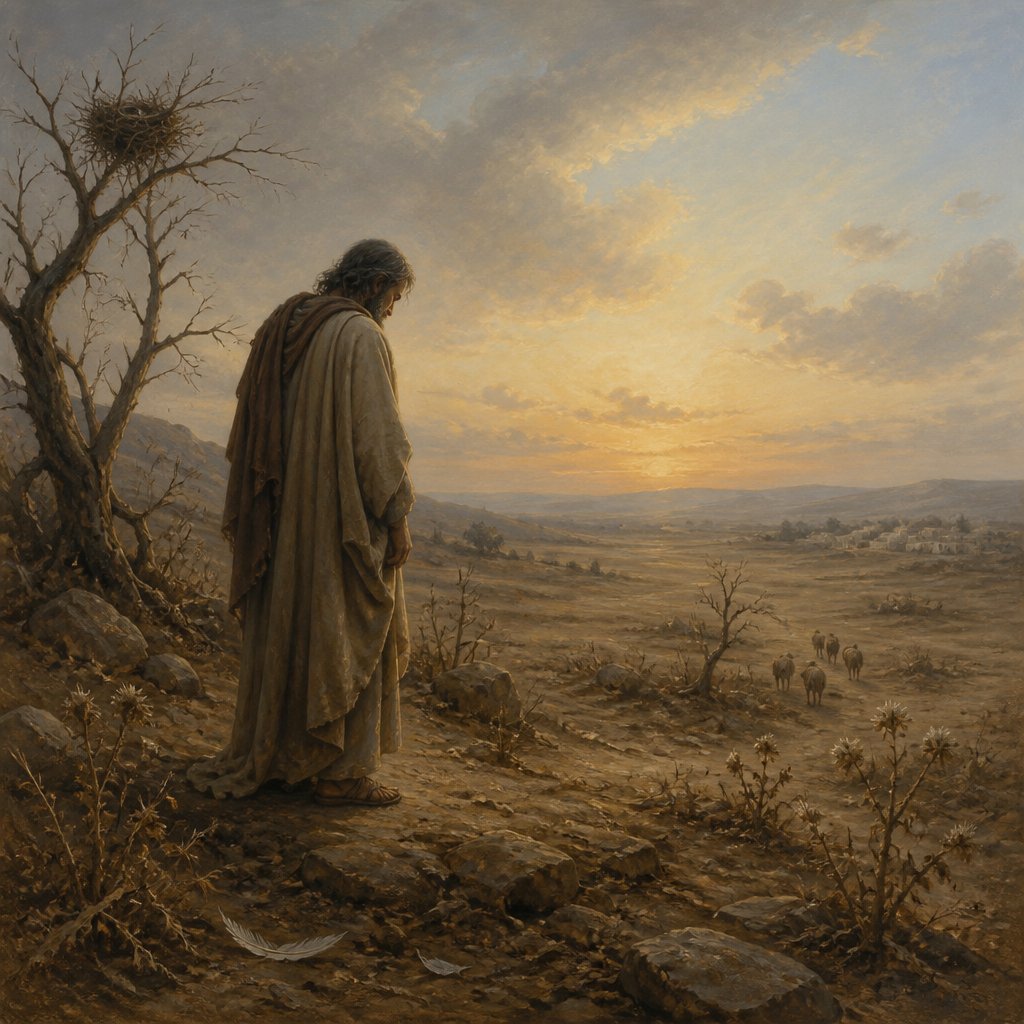
Jeremiah 12:4 in the King James Version reads, "How long shall the land mourn, and the herbs of every field wither, for the wickedness of them that dwell therein? the beasts are consumed, and the birds; because they said, He shall not see our last end."
This verse is part of the book of Jeremiah, which is a prophetic book in the Old Testament. Jeremiah was a prophet who ministered during a tumultuous time in the history of Israel, when the nation was facing the impending threat of invasion and exile due to their disobedience and unfaithfulness to God.
In this particular verse, Jeremiah is expressing his distress and frustration at the wickedness of the people and the resulting devastation it brings upon the land and its inhabitants. The land is described as mourning, and the herbs of the field are withering because of the wickedness of the people. This imagery reflects the idea that the consequences of sin are not limited to the people themselves, but also impact the natural world around them.
The verse also mentions the suffering of the animals – the beasts are consumed, and the birds are also affected. This emphasizes the interconnectedness of all living beings and the interconnectedness of their suffering when the land is under a curse because of human sin. The destruction of the environment due to human sin is a theme that is becoming increasingly relevant in our contemporary world, as we see the devastating impact of human actions on the natural world and the resulting suffering of animals and the environment.
The latter part of the verse, "because they said, He shall not see our last end," refers to the people's belief that God would not take notice of their actions or bring judgment upon them. This reflects their arrogance and lack of fear of God, as they dismiss the idea of divine justice and accountability for their actions. This verse serves as a warning against complacency and arrogance, reminding the readers of the consequences of such attitudes.
Overall, this verse serves as a reminder of the interconnectedness of human actions and the natural world, as well as the consequences of sin and disobedience to God. It also speaks to the theme of divine justice and the accountability of human beings to God. Furthermore, it serves as a warning against arrogance and complacency, urging the readers to acknowledge their accountability to God and to consider the impact of their actions on the world around them.
In terms of context, this verse is part of a larger passage in which Jeremiah expresses his frustration and confusion over the prosperity of the wicked and the seeming absence of God's justice. He questions why the wicked prosper while the righteous suffer, and he grapples with the apparent silence of God in the face of injustice. This theme of the prosperity of the wicked and the suffering of the righteous is a recurring one in the book of Jeremiah and is a reflection of the broader concern of theodicy – the question of why a good and just God allows suffering and evil to exist in the world.
In terms of symbolism, the imagery of the land mourning and the withering of the herbs can be seen as symbolic of the spiritual and moral decay that occurs when the people turn away from God. The suffering of the animals can be seen as symbolic of the broader impact of human sin on the natural world. The verse also symbolizes the arrogance and complacency of the people, who believe that God does not see or care about their actions. This serves as a warning against this attitude and encourages the readers to acknowledge their accountability to God.
Have questions about Jeremiah 12:4?
Dive deeper into this scripture with Bible Chat — an AI-powered tool for exploring God's Word through conversation. Ask questions, get context, and grow in your understanding of the Bible.
Get Our Apps


Jeremiah 12:4 Artwork

Jeremiah 12:4 - "How long shall the land mourn, and the herbs of every field wither, for the wickedness of them that dwell therein? the beasts are consumed, and the birds; because they said, He shall not see our last end."
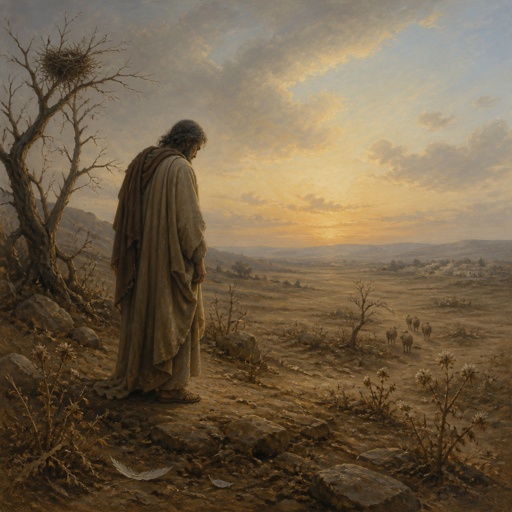
"How long shall the land mourn, and the herbs of every field wither, for the wickedness of them that dwell therein? the beasts are consumed, and the birds; because they said, He shall not see our last end." - Jeremiah 12:4

1 Chronicles 12:4 - "And Ismaiah the Gibeonite, a mighty man among the thirty, and over the thirty; and Jeremiah, and Jahaziel, and Johanan, and Josabad the Gederathite,"

Jeremiah 4:12 - "Even a full wind from those places shall come unto me: now also will I give sentence against them."

Jeremiah 35:12 - "¶ Then came the word of the LORD unto Jeremiah, saying,"

Jeremiah 34:12 - "¶ Therefore the word of the LORD came to Jeremiah from the LORD, saying,"

Jeremiah 28:12 - "Then the word of the LORD came unto Jeremiah the prophet, after that Hananiah the prophet had broken the yoke from off the neck of the prophet Jeremiah, saying,"

Nehemiah 12:12 - "And in the days of Joiakim were priests, the chief of the fathers: of Seraiah, Meraiah; of Jeremiah, Hananiah;"
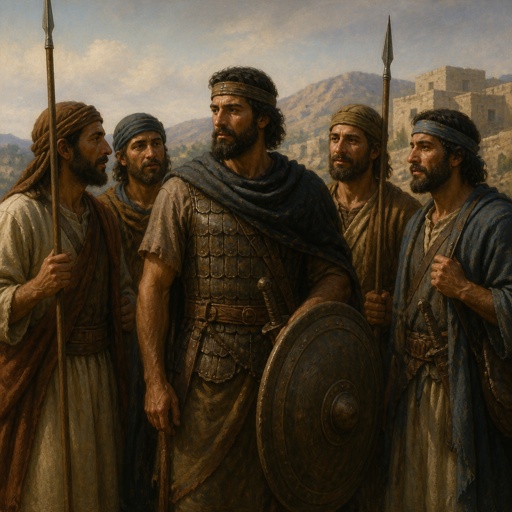
"And Ismaiah the Gibeonite, a mighty man among the thirty, and over the thirty; and Jeremiah, and Jahaziel, and Johanan, and Josabad the Gederathite," - 1 Chronicles 12:4

Jeremiah 37:12 - "Then Jeremiah went forth out of Jerusalem to go into the land of Benjamin, to separate himself thence in the midst of the people."

Jeremiah 38:12 - "And Ebed-melech the Ethiopian said unto Jeremiah, Put now these old cast clouts and rotten rags under thine armholes under the cords. And Jeremiah did so."

Nehemiah 12:34 - "Judah, and Benjamin, and Shemaiah, and Jeremiah,"

"¶ Then came the word of the LORD unto Jeremiah, saying," - Jeremiah 35:12

Jeremiah 20:4

Jeremiah 37:4 - "Now Jeremiah came in and went out among the people: for they had not put him into prison."

1 Chronicles 12:10 - "Mishmannah the fourth, Jeremiah the fifth,"

1 Chronicles 12:13 - "Jeremiah the tenth, Machbanai the eleventh."

Jeremiah 15:12 - "Shall iron break the northern iron and the steel?"

Jeremiah 29: 4-14

Jeremiah 29: 4-14

Jeremiah 29: 4-14

Jeremiah 29: 4-14

Jeremiah 29: 4-14

Jeremiah 36:4 - "Then Jeremiah called Baruch the son of Neriah: and Baruch wrote from the mouth of Jeremiah all the words of the LORD, which he had spoken unto him, upon a roll of a book."
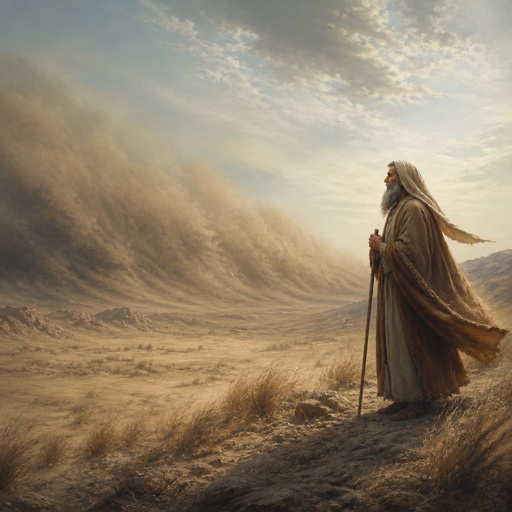
"Even a full wind from those places shall come unto me: now also will I give sentence against them." - Jeremiah 4:12

"¶ Therefore the word of the LORD came to Jeremiah from the LORD, saying," - Jeremiah 34:12

Jeremiah 17:12 - "¶ A glorious high throne from the beginning is the place of our sanctuary."

Jeremiah 26:12 - "¶ Then spake Jeremiah unto all the princes and to all the people, saying, The LORD sent me to prophesy against this house and against this city all the words that ye have heard."

Jeremiah 30:12 - "For thus saith the LORD, Thy bruise is incurable, and thy wound is grievous."

Jeremiah 12:17 - "But if they will not obey, I will utterly pluck up and destroy that nation, saith the LORD."