What does Jeremiah 13:8 mean?
"Then the word of the LORD came unto me, saying," - Jeremiah 13:8
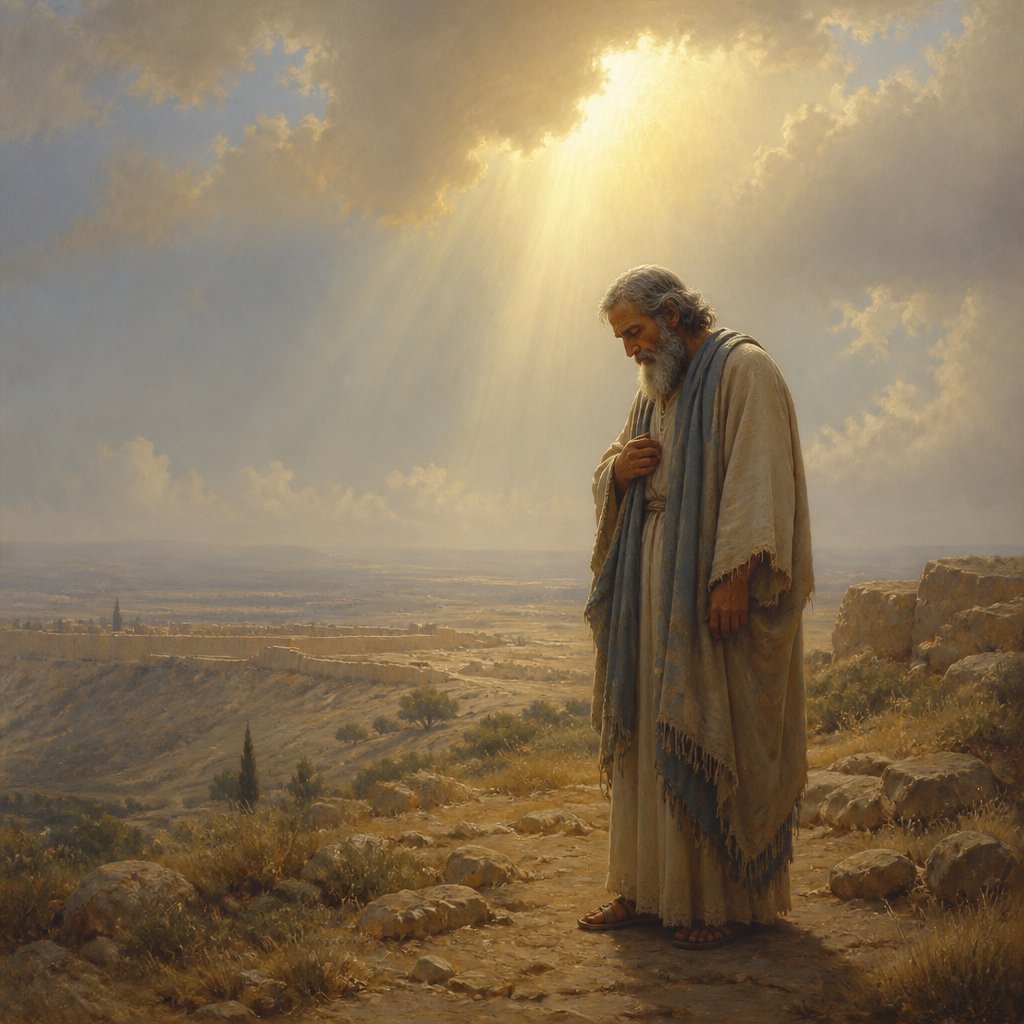
Jeremiah 13:8 in the King James Version of the Bible reads, "Then the word of the Lord came unto me, saying, Thus saith the Lord, After this manner will I mar the pride of Judah, and the great pride of Jerusalem."
This verse from the book of Jeremiah is part of a prophecy given to the prophet Jeremiah by the Lord. It is important to understand the context in which this prophecy was given in order to fully grasp its meaning and significance. In the preceding verses, Jeremiah is instructed by the Lord to take a linen belt and wear it around his waist, but not to let it get wet. After some time, the Lord tells Jeremiah to take the belt and bury it near the Euphrates river. After some time has passed, the Lord commands Jeremiah to retrieve the belt, only to find that it has become ruined and completely useless.
This imagery of the ruined linen belt serves as a metaphor for the pride and arrogance of the people of Judah and Jerusalem. The Lord uses this visual aid to convey the impending judgment that will come upon the people due to their pride and disobedience. In this verse, the Lord explicitly states that He will "mar the pride of Judah, and the great pride of Jerusalem." This is a warning of the coming destruction and exile that will befall the people if they continue in their stubbornness and arrogance.
The theme of pride and its consequences is a central focus of this verse. Throughout the Bible, pride is often identified as a sin and a barrier to a relationship with God. Proverbs 16:5 says, "Everyone who is arrogant in heart is an abomination to the Lord; be assured, he will not go unpunished." In the New Testament, James 4:6 echoes this sentiment, stating, "But he gives more grace. Therefore it says, 'God opposes the proud, but gives grace to the humble.'" The pride of Judah and Jerusalem is seen as a direct affront to the Lord, and He is determined to humble them and bring them to repentance through the impending judgment.
Another important theme in this verse is the faithfulness of God in fulfilling His promises and warnings. The Lord had warned the people of Judah and Jerusalem of the consequences of their disobedience, and now He is demonstrating His commitment to follow through on those warnings. This reflects the unchanging nature of God and His justice. Even when His people are unfaithful, He remains steadfast and true to His word.
The context of this verse also includes the historical and cultural background of the people of Judah and Jerusalem during the time of Jeremiah. The nation of Judah was in a state of moral and spiritual decline, characterized by idolatry, injustice, and disobedience to God's laws. The leaders and inhabitants of Jerusalem were prideful and self-reliant, trusting in their own strength and resources rather than seeking the Lord.
The symbolism of the ruined linen belt in Jeremiah's prophecy serves as a powerful visual representation of the state of the people's pride and arrogance. Just as the belt became useless and ruined, so too would the pride and greatness of Judah and Jerusalem be marred and brought low by the judgment of the Lord.
In conclusion, Jeremiah 13:8 conveys a strong message of warning and impending judgment for the people of Judah and Jerusalem due to their pride and arrogance. The verse raises important themes of the consequences of pride, the faithfulness of God, and the historical context of the people of Judah and Jerusalem. It serves as a powerful reminder of the importance of humility, obedience, and repentance in the eyes of the Lord.
Have questions about Jeremiah 13:8?
Dive deeper into this scripture with Bible Chat — an AI-powered tool for exploring God's Word through conversation. Ask questions, get context, and grow in your understanding of the Bible.
Get Our Apps


Jeremiah 13:8 Artwork

Jeremiah 13:8 - "Then the word of the LORD came unto me, saying,"
"Then the word of the LORD came unto me, saying," - Jeremiah 13:8
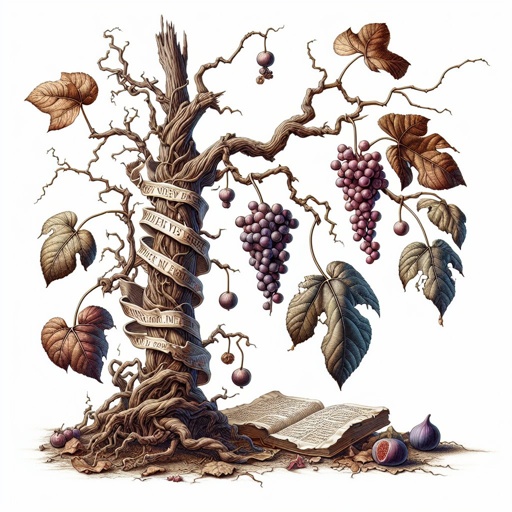
Jeremiah 8:13 - "¶ I will surely consume them, saith the LORD: there shall be no grapes on the vine, nor figs on the fig tree, and the leaf shall fade; and the things that I have given them shall pass away from them."

Jeremiah 43:8 - "¶ Then came the word of the LORD unto Jeremiah in Tahpanhes, saying,"

Jeremiah 38:13 - "So they drew up Jeremiah with cords, and took him up out of the dungeon: and Jeremiah remained in the court of the prison."

Jeremiah 29:11-13

Jeremiah 29:11-13

Jeremiah 29:11-13

Jeremiah 29:11-13

Jeremiah 13:23
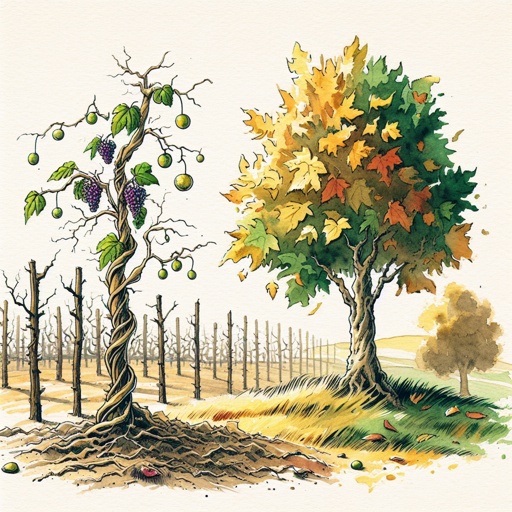
Jeremiah 8:13 "I will surely consume them," says the Lord. "No grapes shall be on the vine, Nor figs on the fig tree, And the leaf shall fade; And the things I have given them shall pass away from them." ' "

Jeremiah 38:1–13

Jeremiah 46:13 - "¶ The word that the LORD spake to Jeremiah the prophet, how Nebuchadrezzar king of Babylon should come and smite the land of Egypt."

Jeremiah 17:7-8

Jeremiah 17:7-8

Jeremiah 17:7-8

Jeremiah 17:7-8

1 Chronicles 12:13 - "Jeremiah the tenth, Machbanai the eleventh."

Matthew 8:13

Matthew 8:13

Matthew 8:13

Jeremiah 32:13 - "¶ And I charged Baruch before them, saying,"

Jeremiah 36:8 - "And Baruch the son of Neriah did according to all that Jeremiah the prophet commanded him, reading in the book the words of the LORD in the LORD'S house."

Jeremiah 8:20 - "The harvest is past, the summer is ended, and we are not saved."

Jeremiah 10:8 - "But they are altogether brutish and foolish: the stock is a doctrine of vanities."

"¶ Then came the word of the LORD unto Jeremiah in Tahpanhes, saying," - Jeremiah 43:8

Jeremiah 13:15 - "¶ Hear ye, and give ear; be not proud: for the LORD hath spoken."

Jeremiah 13:5 - "So I went, and hid it by Euphrates, as the LORD commanded me."

Jeremiah 13:3 - "And the word of the LORD came unto me the second time, saying,"

Romans 13:8