What does Jeremiah 13:20 mean?
“Lift up your eyes, and behold them that come from the north: where is the flock that was given thee, thy beautiful flock?” — Jeremiah 13:20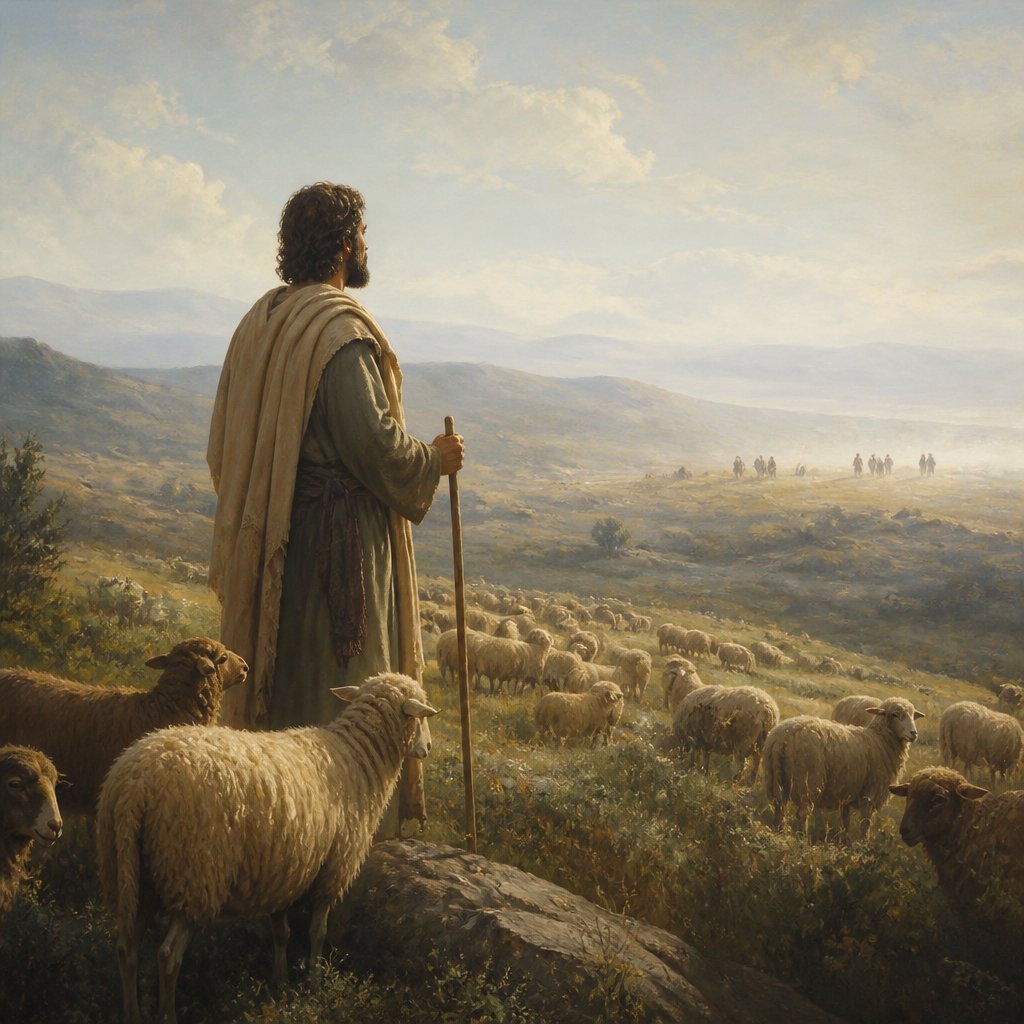
Jeremiah 13:20 in the King James Version of the Bible reads, "Lift up your eyes, and behold them that come from the north: where is the flock that was given thee, thy beautiful flock?" This verse is part of a prophecy that Jeremiah pronounced against Judah, with a warning of impending destruction.
In this verse, God is speaking through Jeremiah, urging the people of Judah to look to the north and see the impending doom that is coming their way. The mention of "the flock that was given thee, thy beautiful flock" refers to the people of Judah, whom God had chosen and cared for. However, their disobedience and unfaithfulness have led to their downfall.
The context of this verse is important for understanding its meaning. Throughout the book of Jeremiah, the prophet repeatedly warns the people of Judah about their idolatry, disobedience, and the consequences of their actions. The nation had turned away from God, worshiping false gods and engaging in immoral practices. As a result, God's judgment was imminent. The reference to the north in this verse is likely a symbol of the enemy forces that would come from that direction to conquer and destroy Judah.
One of the key themes in this verse is the consequences of disobedience and unfaithfulness. The people of Judah had been given the beautiful flock of God's favor and protection, but they had squandered it through their sin. This serves as a warning to all believers about the importance of remaining faithful to God and the reality of facing consequences for disobedience.
Another important theme in this verse is the sovereignty and judgment of God. The imagery of looking to the north and seeing the approaching doom serves as a reminder that God is in control of all things, including the rise and fall of nations. The impending judgment on Judah is a demonstration of God's righteous judgment and a warning to other nations as well.
Symbolism plays a significant role in understanding the deeper meaning of this verse. The "flock" that was given to Judah symbolizes the people of God, who were under His care and protection. However, their beauty has been tarnished by their sin, and they are now facing the consequences of their actions. The "north" represents the direction from which the enemy forces would come to bring destruction and desolation to Judah.
The verse also serves as a call to repentance and a plea for the people of Judah to turn back to God. Throughout the book of Jeremiah, the prophet urges the people to repent and seek the Lord's forgiveness. In the face of impending judgment, there is still hope for redemption if the people would humble themselves and turn from their wicked ways.
In conclusion, Jeremiah 13:20 serves as a powerful reminder of the consequences of disobedience and unfaithfulness, the sovereignty and judgment of God, and the call to repentance. It is a sobering warning to all believers to remain faithful and obedient to God, as well as a message of hope for redemption through repentance and seeking the Lord's forgiveness. This verse not only holds historical significance for the nation of Judah but also carries timeless truths and lessons for all who read and heed its message.
Get our apps


Artwork for Jeremiah 13:20

Jeremiah 13:20 - "Lift up your eyes, and behold them that come from the north: where is the flock that was given thee, thy beautiful flock?"
"Lift up your eyes, and behold them that come from the north: where is the flock that was given thee, thy beautiful flock?" - Jeremiah 13:20

Jeremiah 20:13 - "Sing unto the LORD, praise ye the LORD: for he hath delivered the soul of the poor from the hand of evildoers."

Jeremiah 20:4
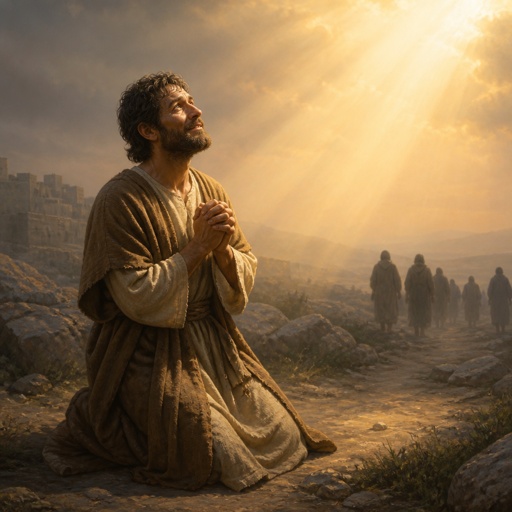
"Sing unto the LORD, praise ye the LORD: for he hath delivered the soul of the poor from the hand of evildoers." - Jeremiah 20:13

Jeremiah 38:13 - "So they drew up Jeremiah with cords, and took him up out of the dungeon: and Jeremiah remained in the court of the prison."

Jeremiah 29:11-13

Jeremiah 29:11-13

Jeremiah 29:11-13

Jeremiah 29:11-13

Jeremiah 13:23

Jeremiah 20:2 - "Then Pashur smote Jeremiah the prophet, and put him in the stocks that were in the high gate of Benjamin, which was by the house of the LORD."

Jeremiah 20:3 - "And it came to pass on the morrow, that Pashur brought forth Jeremiah out of the stocks. Then said Jeremiah unto him, The LORD hath not called thy name Pashur, but Magor-missabib."

Luke 13:20-21

Luke 13:20-21

Luke 13:20-21

Luke 13:20-21
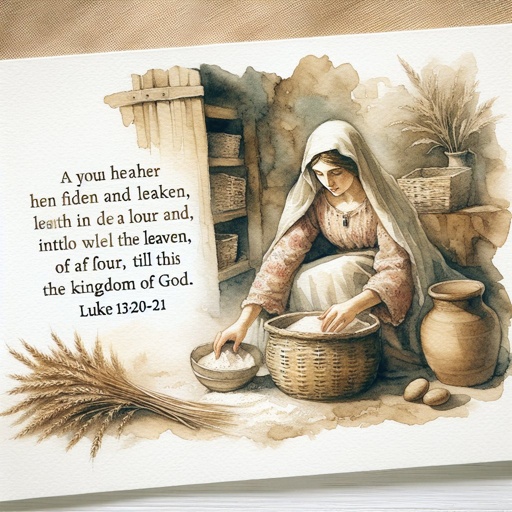
Luke 13:20-21

Jeremiah 20:1 - "Now Pashur the son of Immer the priest, who was also chief governor in the house of the LORD, heard that Jeremiah prophesied these things."

Jeremiah 44:20 - "¶ Then Jeremiah said unto all the people, to the men, and to the women, and to all the people which had given him that answer, saying,"

Jeremiah 5:20 - "Declare this in the house of Jacob, and publish it in Judah, saying,"

Jeremiah 8:20 - "The harvest is past, the summer is ended, and we are not saved."

Genesis 20-13

hebrew 13:20

Jeremiah 38:1–13

Jeremiah 16:20 - "Shall a man make gods unto himself, and they are no gods?"

Jeremiah 46:13 - "¶ The word that the LORD spake to Jeremiah the prophet, how Nebuchadrezzar king of Babylon should come and smite the land of Egypt."

1 Chronicles 12:13 - "Jeremiah the tenth, Machbanai the eleventh."

Exodus 20:13 - "Thou shalt not kill."

Jeremiah 26:20 - "And there was also a man that prophesied in the name of the LORD, Urijah the son of Shemaiah of Kirjath-jearim, who prophesied against this city and against this land according to all the words of Jeremiah:"