What does Jeremiah 13:23 mean?
“Can the Ethiopian change his skin, or the leopard his spots? then may ye also do good, that are accustomed to do evil.” — Jeremiah 13:23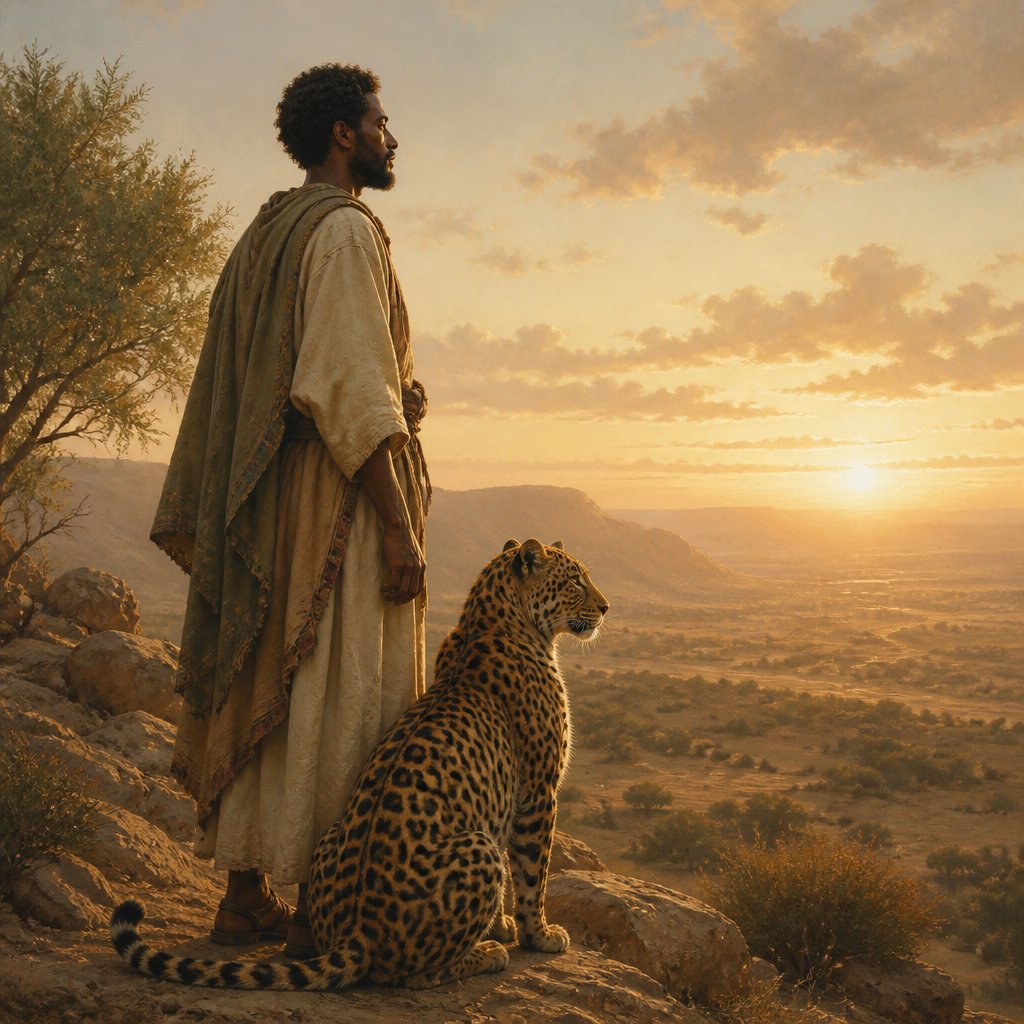
The verse Jeremiah 13:23 in the King James Version of the Bible reads: "Can the Ethiopian change his skin, or the leopard his spots? then may ye also do good, that are accustomed to do evil." This verse is found in the book of Jeremiah, which is a collection of prophecies and laments from the prophet Jeremiah, who lived during the final years of the kingdom of Judah before its fall to Babylon in 586 BC.
The verse is a poignant and powerful rhetorical question posed by the prophet Jeremiah, highlighting the inability of the people of Judah to change their ways and do good. The imagery used in this verse – an Ethiopian changing his skin and a leopard changing its spots – serves to emphasize the impossibility of the situation. Just as it is impossible for these things to change, so too is it impossible for the people of Judah, who are accustomed to doing evil, to change their ways and do good.
This verse speaks to the broader theme of personal and societal transformation, and it raises important questions about human nature and the capacity for change. It suggests that there are certain ingrained behaviors and patterns that are difficult, if not impossible, to change. It also implies that the people of Judah have become so accustomed to doing evil that it has become a part of their nature, much like the skin of an Ethiopian or the spots of a leopard.
In the context of the book of Jeremiah, this verse comes at a time when the prophet is warning the people of Judah about the impending judgment and destruction that will come upon them if they do not turn from their wicked ways and return to God. Throughout the book, Jeremiah repeatedly emphasizes the need for repentance and obedience to God's commandments, and he warns of the dire consequences that will follow if the people do not heed his warnings. This verse serves as a powerful indictment of the people's hardened hearts and their unwillingness to change their ways.
Symbolically, the verse can be seen as a representation of the deeper spiritual condition of the people of Judah. It speaks to the idea that sin and disobedience can become so deeply ingrained in the human heart that it becomes almost impossible to change. It also highlights the idea of the need for true repentance and transformation, as well as the consequences of continued disobedience.
Overall, Jeremiah 13:23 is a powerful and thought-provoking verse that raises important questions about human nature, the potential for change, and the need for repentance. It serves as a reminder of the consequences of persistent disobedience and the importance of true transformation. As such, it continues to be a relevant and impactful passage for spiritual reflection and introspection.
Get our apps


Artwork for Jeremiah 13:23

Jeremiah 13:23

Jeremiah 13:23 - "Can the Ethiopian change his skin, or the leopard his spots? then may ye also do good, that are accustomed to do evil."
"Can the Ethiopian change his skin, or the leopard his spots? then may ye also do good, that are accustomed to do evil." - Jeremiah 13:23

Jeremiah 23:13 - "And I have seen folly in the prophets of Samaria; they prophesied in Baal, and caused my people Israel to err."

Jeremiah 33:23 - "Moreover the word of the LORD came to Jeremiah, saying,"
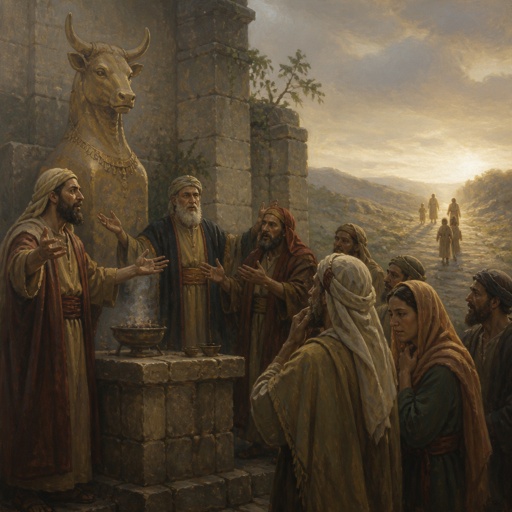
"And I have seen folly in the prophets of Samaria; they prophesied in Baal, and caused my people Israel to err." - Jeremiah 23:13

Jeremiah 23:23 - "Am I a God at hand, saith the LORD, and not a God afar off?"

Jeremiah 23:16,17

Jeremiah 23:18

Jeremiah 38:13 - "So they drew up Jeremiah with cords, and took him up out of the dungeon: and Jeremiah remained in the court of the prison."

Jeremiah 29:11-13

Jeremiah 29:11-13

Jeremiah 29:11-13

Jeremiah 29:11-13

"Moreover the word of the LORD came to Jeremiah, saying," - Jeremiah 33:23

Genesis 23-13

Jeremiah 25:23 - "Dedan, and Tema, and Buz, and all that are in the utmost corners,"

Jeremiah 5:23 - "But this people hath a revolting and a rebellious heart; they are revolted and gone."
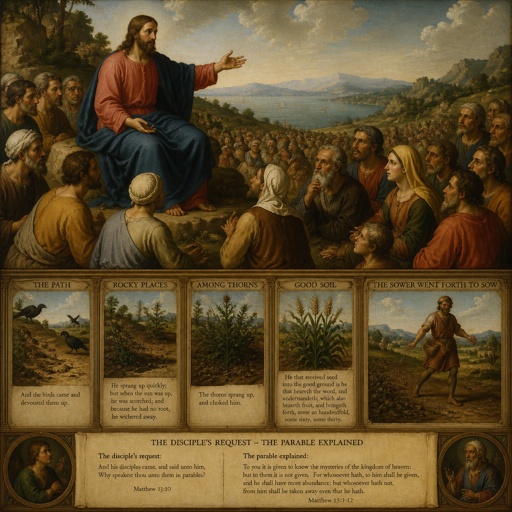
Matthew 13:1-23

Jeremiah 48:23 - "And upon Kiriathaim, and upon Beth-gamul, and upon Beth-meon,"

Jeremiah 38:1–13
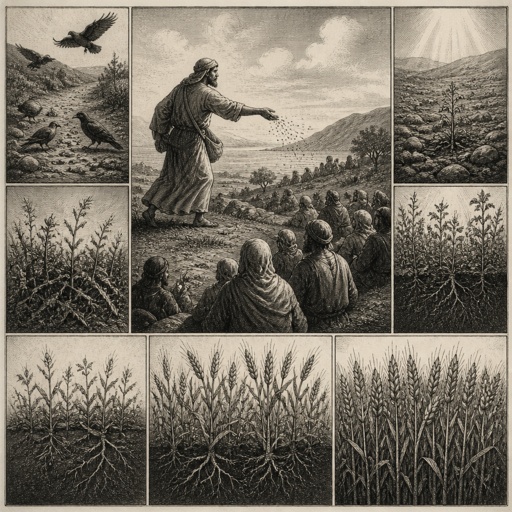
Matthew 13:1-23

Numbers 23:1-13

Jeremiah 46:13 - "¶ The word that the LORD spake to Jeremiah the prophet, how Nebuchadrezzar king of Babylon should come and smite the land of Egypt."

"Am I a God at hand, saith the LORD, and not a God afar off?" - Jeremiah 23:23

Jeremiah 23:1 - "Woe be unto the pastors that destroy and scatter the sheep of my pasture! saith the LORD."

1 Chronicles 12:13 - "Jeremiah the tenth, Machbanai the eleventh."

Jeremiah 4:23 - "I beheld the earth, and, lo, it was without form, and void; and the heavens, and they had no light."

Jeremiah 13:8 - "Then the word of the LORD came unto me, saying,"

Jeremiah 23:40 - "And I will bring an everlasting reproach upon you, and a perpetual shame, which shall not be forgotten."